

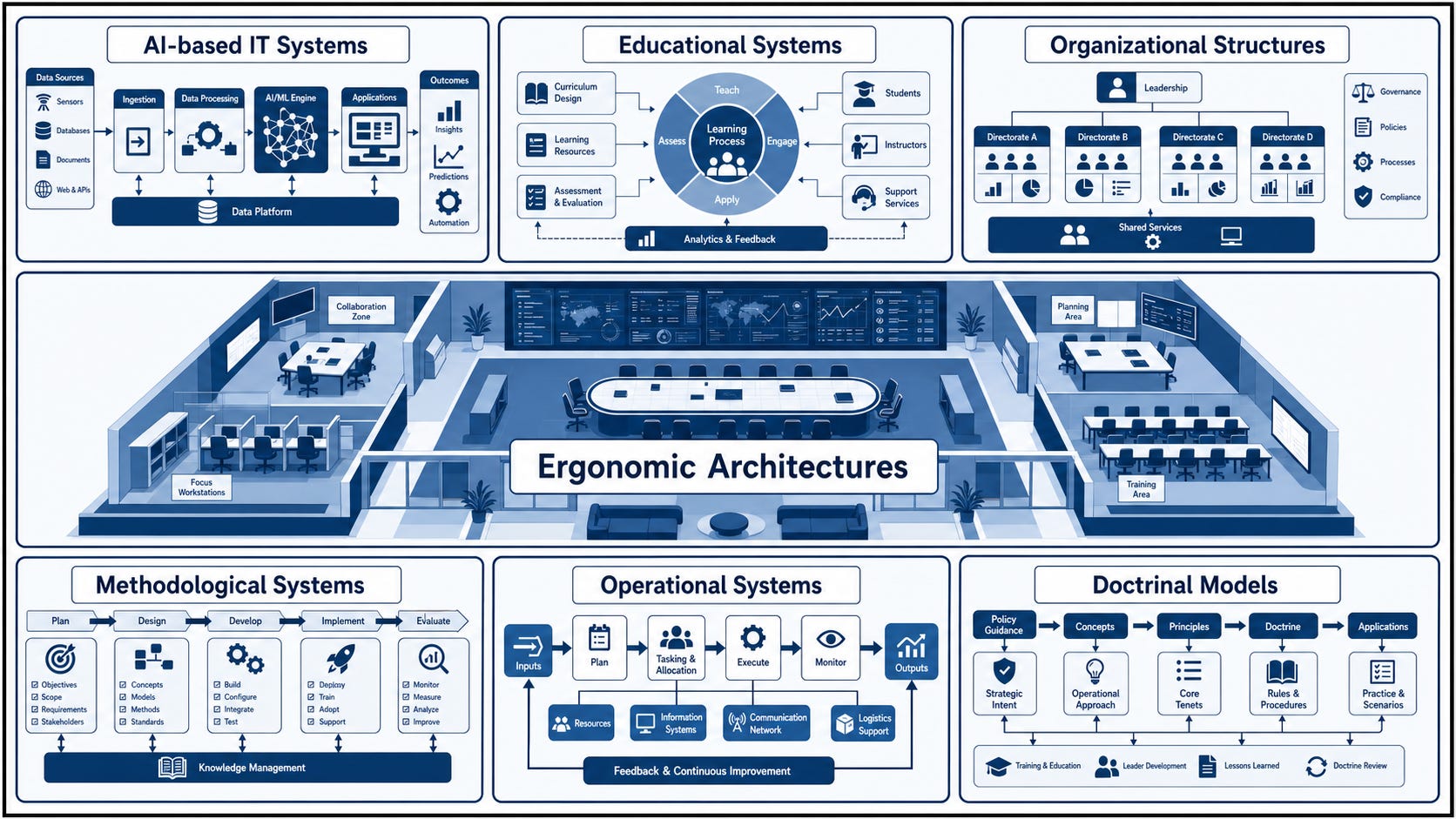
I am sharing here a structured overview of our comprehensive capabilities to innovate, design, improve, and deploy scalable physical, virtual, and hybrid adaptive organizational structures for AI-Based Multi-Domain Intelligence Superiority Centers, guided by our Automated Complex Reasoning Systems.
This work is being developed by Binomial C&D, with the continuous R&D support of WarMind Labs, and in connection with Praeferentis, our multi-domain intelligence, strategy and operation solutions company.
After years of innovation, experimentation, conceptual modelling, and tested deployments, we are launching a global area focused on the design, improvement, and deployment of AI-Based Multi-Domain Intelligence Superiority Centers.
These centers are designed for high-complexity intelligence environments such as:
Military intelligence
Criminal intelligence
Counterterrorism intelligence
Corporate intelligence
Strategic early warning
Crisis intelligence support
Evidence-based decision support
Multi-domain threat monitoring
Intelligence production and dissemination
In my view, these capabilities have extremely high strategic value for Europe, the United States, and NATO, especially at a time when intelligence structures must adapt to hybrid conflict, cyber operations, terrorism, organized crime, hostile corporate action, technological acceleration, and geopolitical instability.
The central thesis is simple.
The future of intelligence will not be defined only by more data, more analysts, or more platforms.
It will be defined by the ability to design organizations that can reason.
Why we use the term “Intelligence Superiority Center”
We use the term Intelligence Superiority Center deliberately.
This is not merely a Center of Excellence.
A Center of Excellence develops expertise, methods, standards, best practices, and training. That is valuable, but it is not enough for high-stakes intelligence environments.
An Intelligence Superiority Center is designed to produce operational and strategic advantage through superior intelligence capabilities.
Its purpose is to enable:
Earlier warning
Better reasoning
Faster coordination
Stronger intelligence products
More precise evidence-based analysis
More reliable dissemination
Better decision support
Continuous adaptation to emerging threats
The word superiority is therefore not decorative. It refers to the capacity to understand, anticipate, and support decisions better than the adversary, the threat environment, or the complexity of the situation.
The fragmentation problem
One of the clearest conclusions from recent geopolitical experience, including Russia’s invasion of Ukraine, is that Western intelligence structures still face serious structural difficulties.
Despite the strenuous efforts of dedicated national security and defense professionals, many intelligence communities remain:
Fragmented
Poorly coordinated
Doctrinally outdated
Slow in dissemination
Overdependent on hierarchical information flows
Uneven in analytical quality
Insufficiently adapted to multi-domain threats
Weakly integrated across national and international structures
This does not mean that professionals are failing.
In many cases, the opposite is true. Professionals are working at the limit of systems that were not designed for the current operational environment.
The problem is architectural.
Many intelligence structures were built for slower cycles, clearer domains, more stable threats, and more rigid institutional boundaries. Today’s environment is different. Threats are hybrid, distributed, adaptive, ambiguous, technologically enabled, and often deliberately designed to exploit institutional fragmentation.
That is why the question is no longer whether intelligence organizations need better tools.
They need better structures.
They need better doctrine.
They need better reasoning architectures.
From intelligence agencies to Intelligence Superiority Centers
The implementation of highly specialized national security and defense intelligence agencies has been one of the most productive responses to recent change initiatives.
But specialization alone is not enough.
A modern intelligence organization must not only collect and analyze information. It must become an Intelligence Superiority Center.
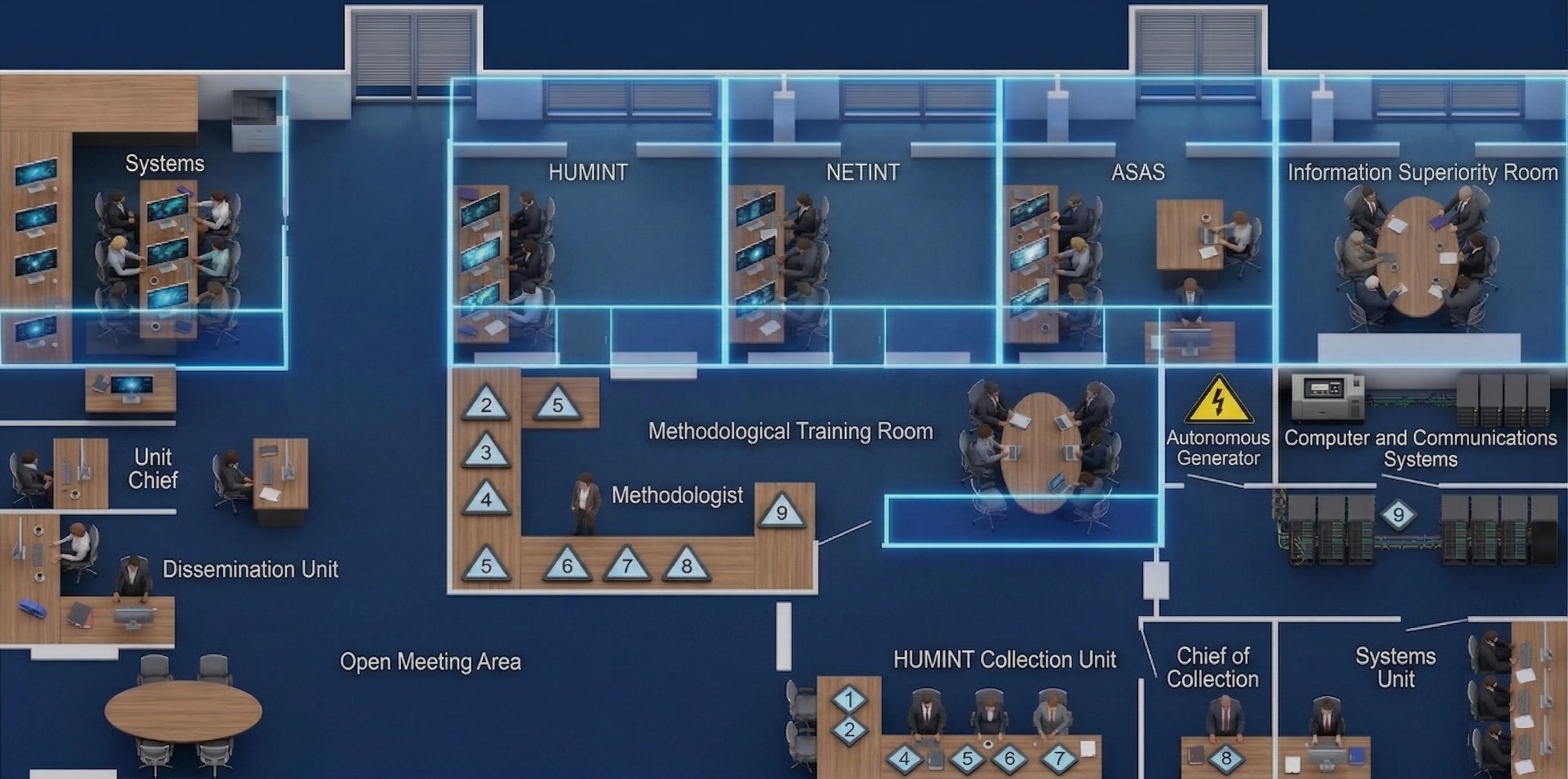
An Intelligence Superiority Center is not merely an intelligence unit with advanced technology. It is an organizational, operational, educational, methodological, and technological structure designed to achieve superiority in intelligence production, analysis, dissemination, coordination, early warning, and decision support.
This means the center must be able to:
Detect threats earlier
Produce better intelligence products
Coordinate across agencies and domains
Support decision-makers in useful time
Integrate human expertise and artificial reasoning
Improve continuously through lessons learned
Adapt doctrine, workflows, and technology to changing threats
Operate physically, virtually, or through hybrid structures
Disseminate intelligence securely, symmetrically, and in real time
The objective is not only to know more.
The objective is to reason better and support decisions sooner.
The end of the old “Need to Know” model
One of the most important doctrinal shifts concerns the traditional Need to Know model.
Historically, intelligence dissemination has often been guided by hierarchical restriction. Information moves through formal channels, is filtered through levels of authority, and reaches users according to rank, compartmentalization, and organizational position.
This remains necessary in sensitive environments.
But it is no longer sufficient.
Modern intelligence requires a more dynamic model based on security levels, alert states, accredited access, mission relevance, and real-time operational need.
The objective is to ensure that all authorized users can access the information they require, symmetrically and in real time, outside unnecessary hierarchical delays, while maintaining strict security, traceability, and control.
This shift requires new intelligence products and new dissemination systems.
It also requires a different organizational culture.
Intelligence must stop being treated as a scarce document delivered late to a limited audience. It must become a controlled but dynamic decision-support environment for deterrence, intervention, protection, prevention, and strategic action.
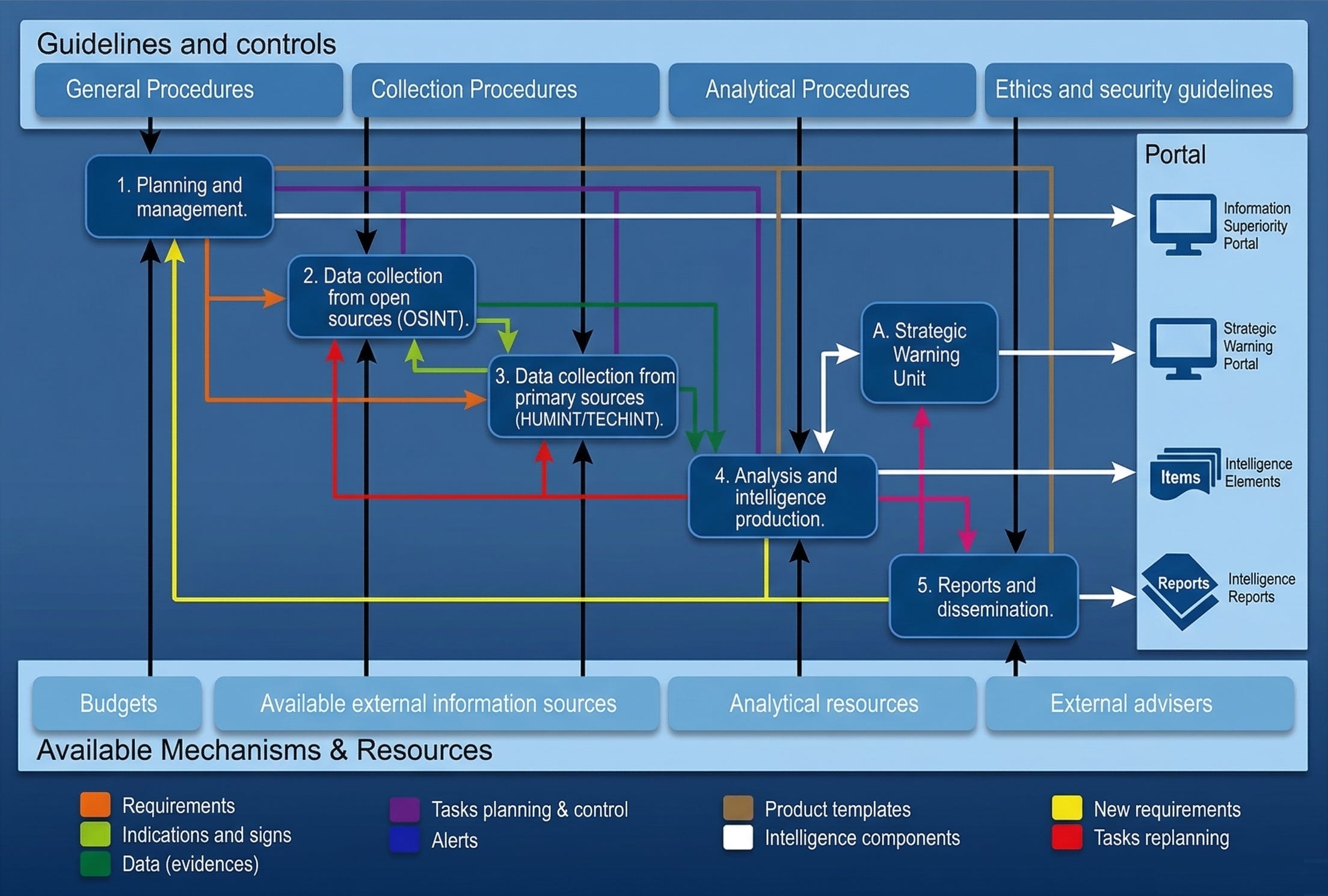
From the intelligence cycle to intelligence production sequences
Another critical change is the move away from the outdated idea of a single linear intelligence cycle.
The traditional cycle has educational value, but it is increasingly insufficient for complex real-world intelligence work. Today’s intelligence production requires multiple simultaneous, adaptive, automated, human-supervised, and evidence-based sequences.
The aim is to normalize production processes around intelligence production sequences that can be designed, measured, automated, improved, and adapted.
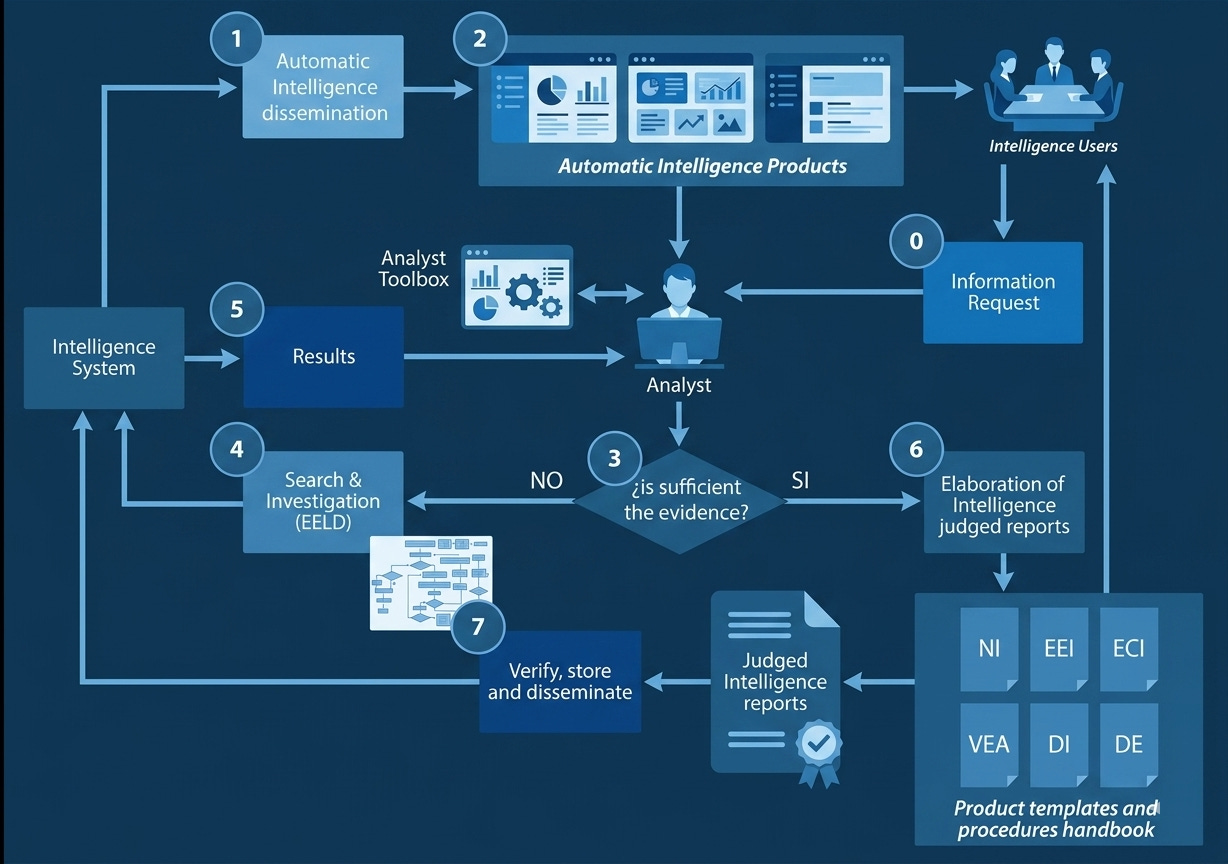
This implies several changes:
Production must be oriented toward objectives, not merely output volume.
Intelligence products must be delivered in time and form.
Automation must support analysts without degrading quality.
Processes must distinguish information, evidence, hypotheses, judgement, and uncertainty.
Personnel must be trained for productivity, methodological rigor, and operational relevance.
Organizations must be redesigned around intelligence value, not bureaucratic habit.
In this model, AI is not a decorative layer. It becomes part of the production architecture.
But AI must be governed by doctrine, methodology, expert validation, and complex reasoning models.
Critical, Structured, and Evidence-Based Intelligence
A central element of our approach is the introduction of Critical, Structured, and Evidence-Based Intelligence, or CSE Intelligence.
This approach is essential because intelligence products must distinguish clearly between:
Facts
Evidence
Degrees of evidence
Analytical hypotheses
Expert judgement
Uncertainty
Confidence levels
Operational implications
Recommended actions
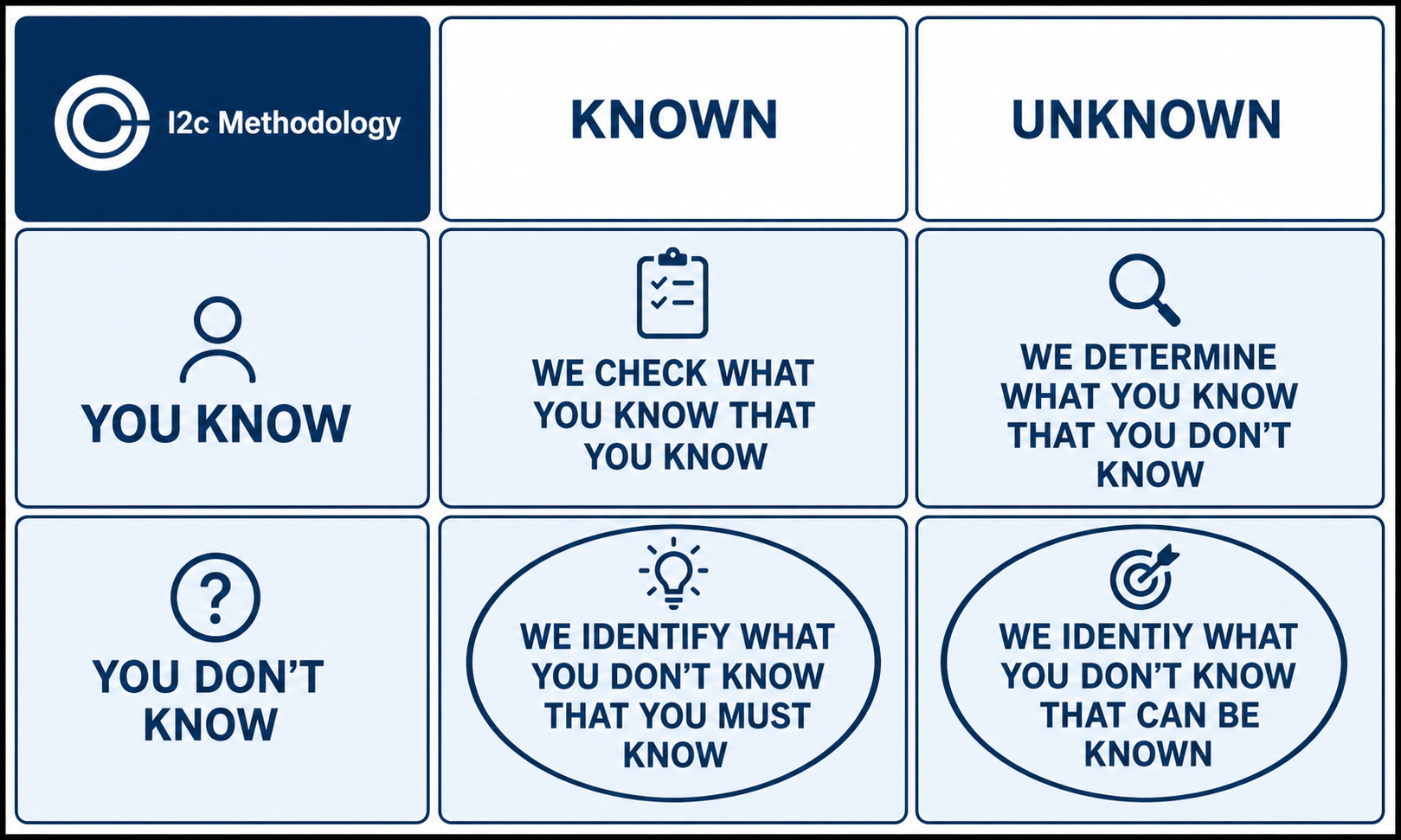
CSE Intelligence allows centers to produce robust, precise, and objective intelligence products where the analytical and hypothetico-deductive framework is explicit.
This matters because intelligence is not merely the delivery of information.
It is the construction of justified knowledge under uncertainty.
A high-quality intelligence product should make clear what is known, how it is known, how strongly it is supported, what remains uncertain, and what decisions it can reasonably support.
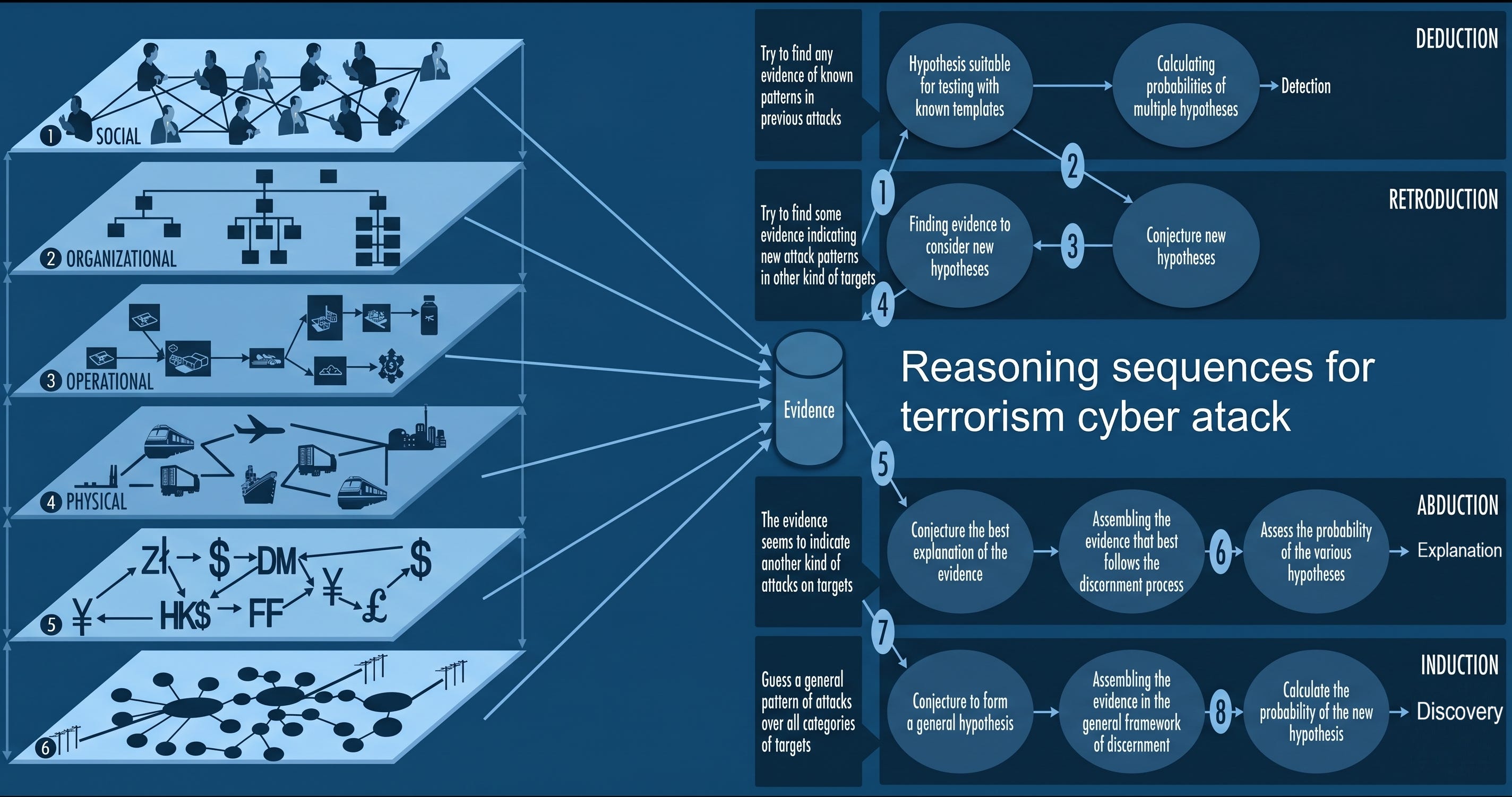
New analytical roles
CSE Intelligence also requires a more differentiated analytical structure.
Not every analyst performs the same function. A mature Intelligence Superiority Center should distinguish between several roles, including:
Evaluators and investigators
Analysts trained in investigation, evaluation, information acquisition, source assessment, and evidence preparation.Senior expert interpreters
Domain experts capable of interpreting facts and evidence from a specialized perspective and constructing stronger analytical judgements.Intelligence methodologists
Scientific and technical specialists responsible for providing rapid methodological support to new intelligence products, especially when urgent needs or unfamiliar threats emerge.
This differentiation allows intelligence centers to expand their analytical capacity without simply adding more staff or more cost.
It also allows expert judgement to be obtained outside the formal limits of the center in a safe, structured, and cost-effective way.
The result is a richer, more flexible, and more scalable intelligence production system.
Intelligence products for policymakers
A modern Intelligence Superiority Center must produce different products for different users.
Policymakers require products that support strategic vision, prioritization, resource allocation, crisis management, and protection policy.
These products should include strategic alert intelligence that provides a global view of threats, risks, and opportunities.
They should help decision-makers understand:
Threat intentions
Operational capabilities
Vulnerability of targets
Emerging escalation dynamics
Strategic trends
Incidents in progress
Resource allocation priorities
Protection priorities for critical infrastructures, populations, and institutions
These products are not merely reports.
They are instruments for strategic governance.
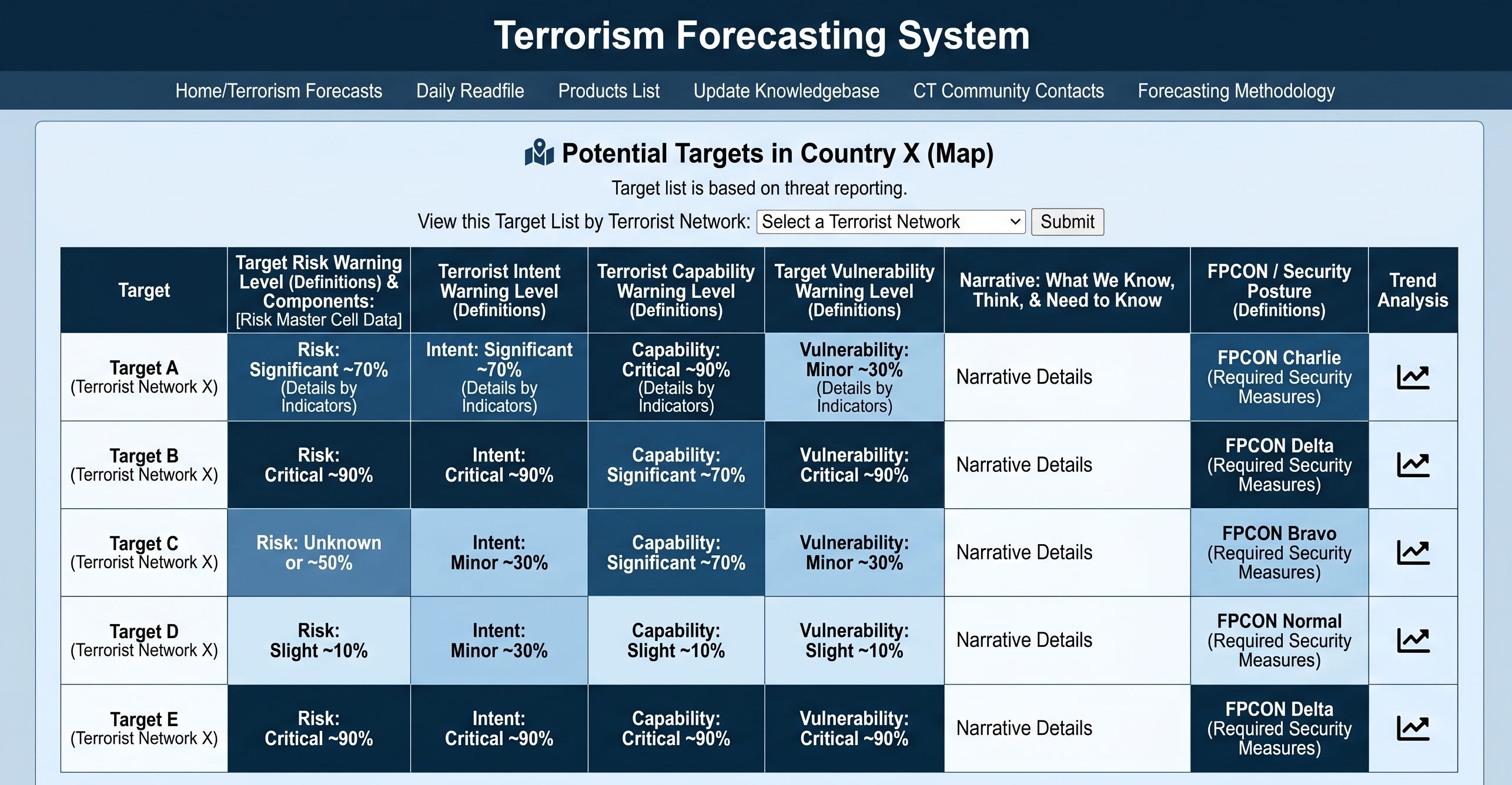
They must help political leaders decide where to allocate scarce operational, analytical, protective, and preventive resources.
Intelligence products for security and protection forces
Security and protection forces require a different kind of intelligence product.
They need reference intelligence, operational intelligence, tactical support, source reliability mechanisms, and complementary intelligence not always captured by operational services.
These products may include:
Tracking and evaluation of electronic profiles of terrorists, criminals, suspects, hostile actors, or adversarial organizations
Association networks around individuals, groups, and entities
Surveillance of modes of operation
Surveillance of technologies used by hostile actors
Monitoring of critical technologies applicable to NBC or high-impact attacks
Source reliability assessments through interpolation mechanisms
Complementary intelligence of high operational value
Indicators, patterns, and relational intelligence relevant to field operations
The objective is to connect strategic intelligence with operational usefulness.
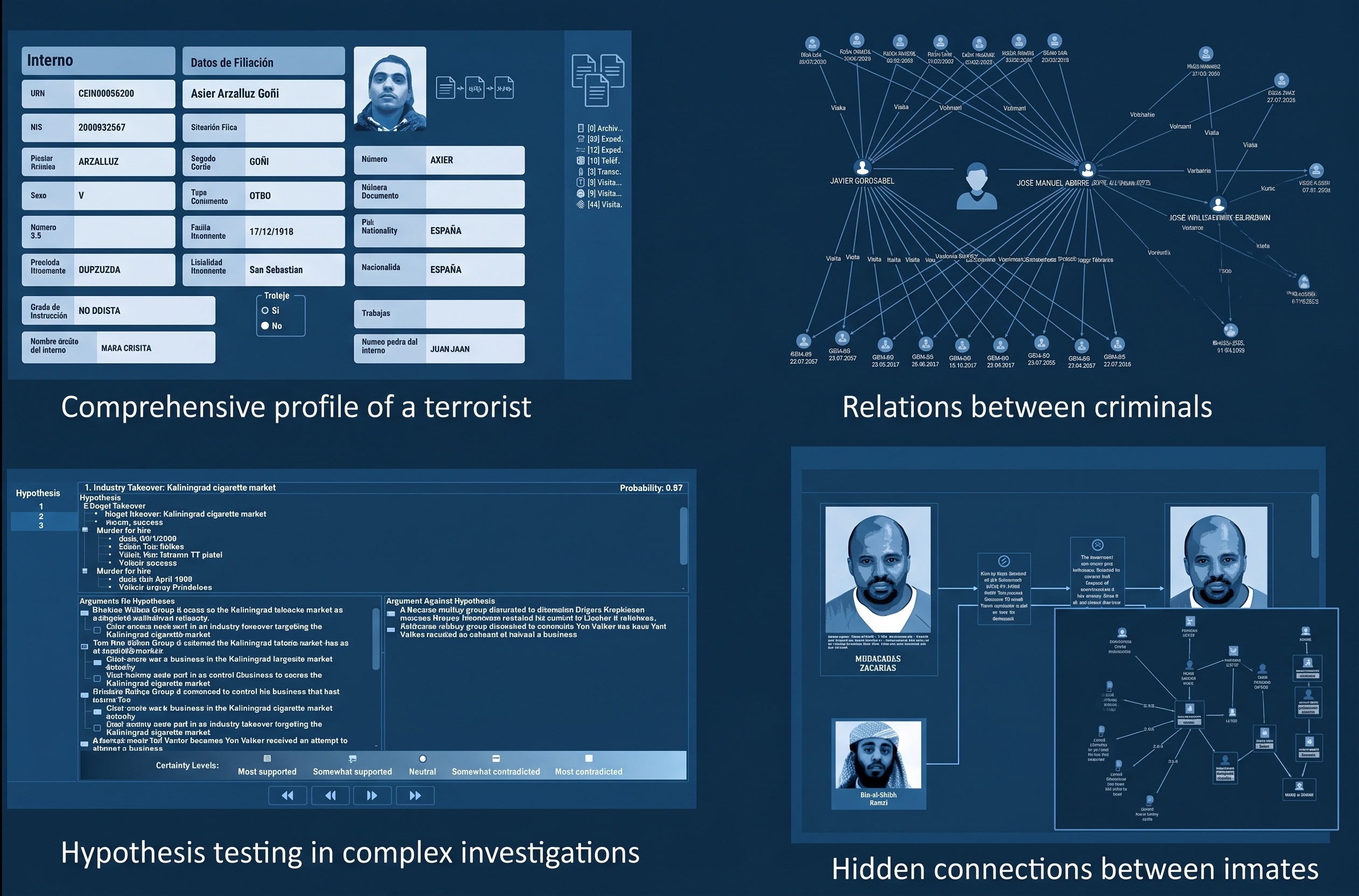
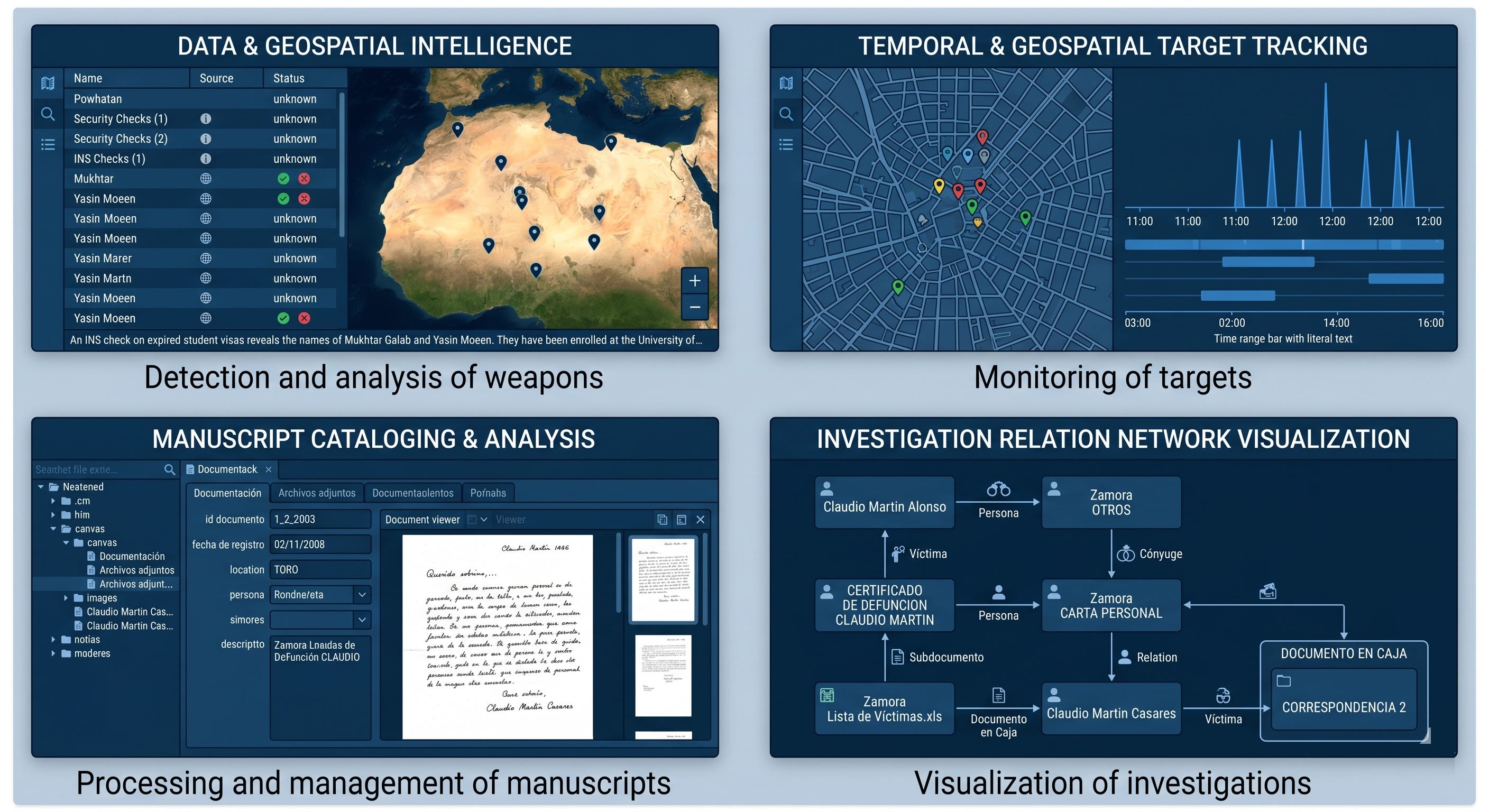
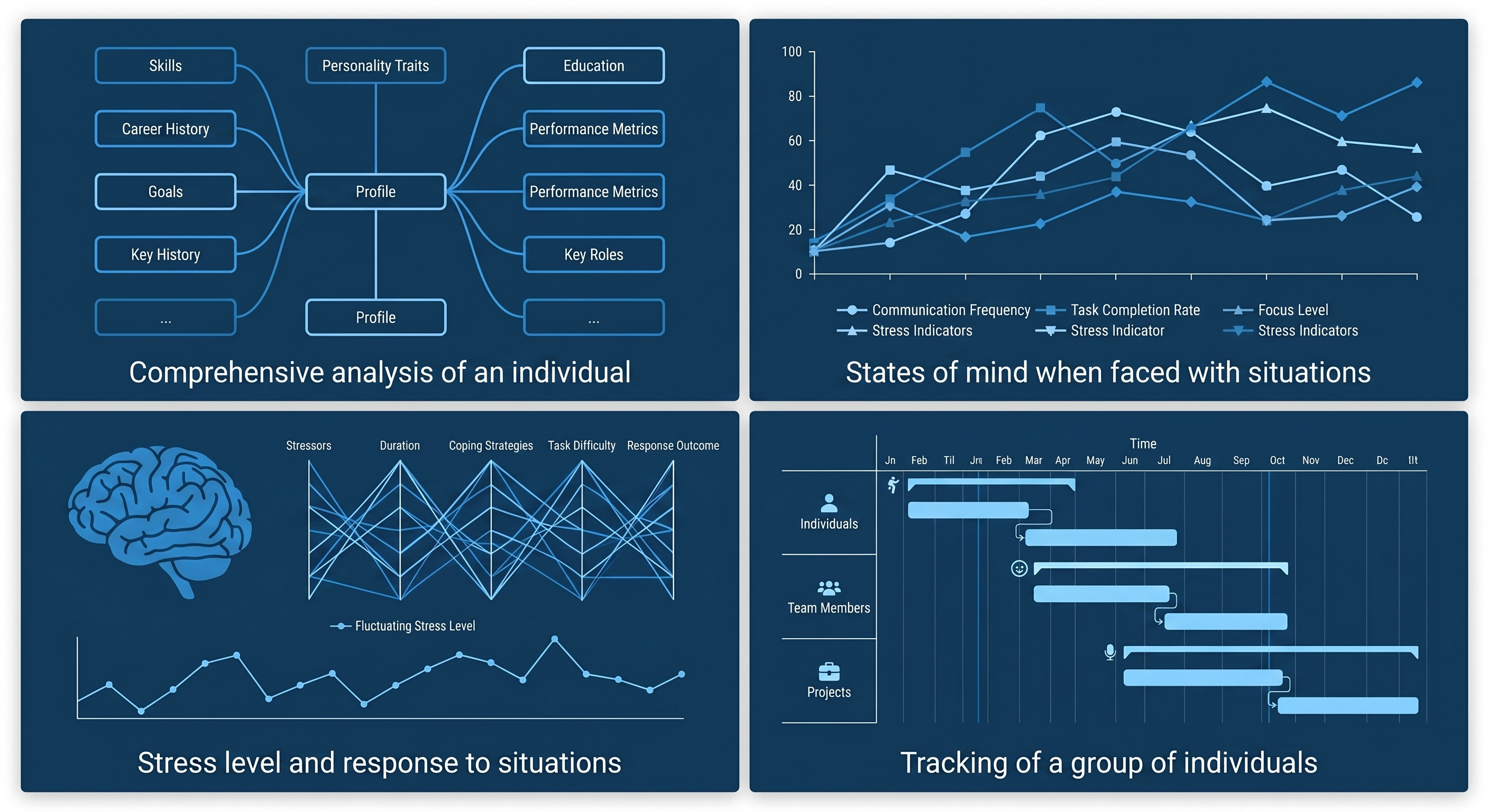
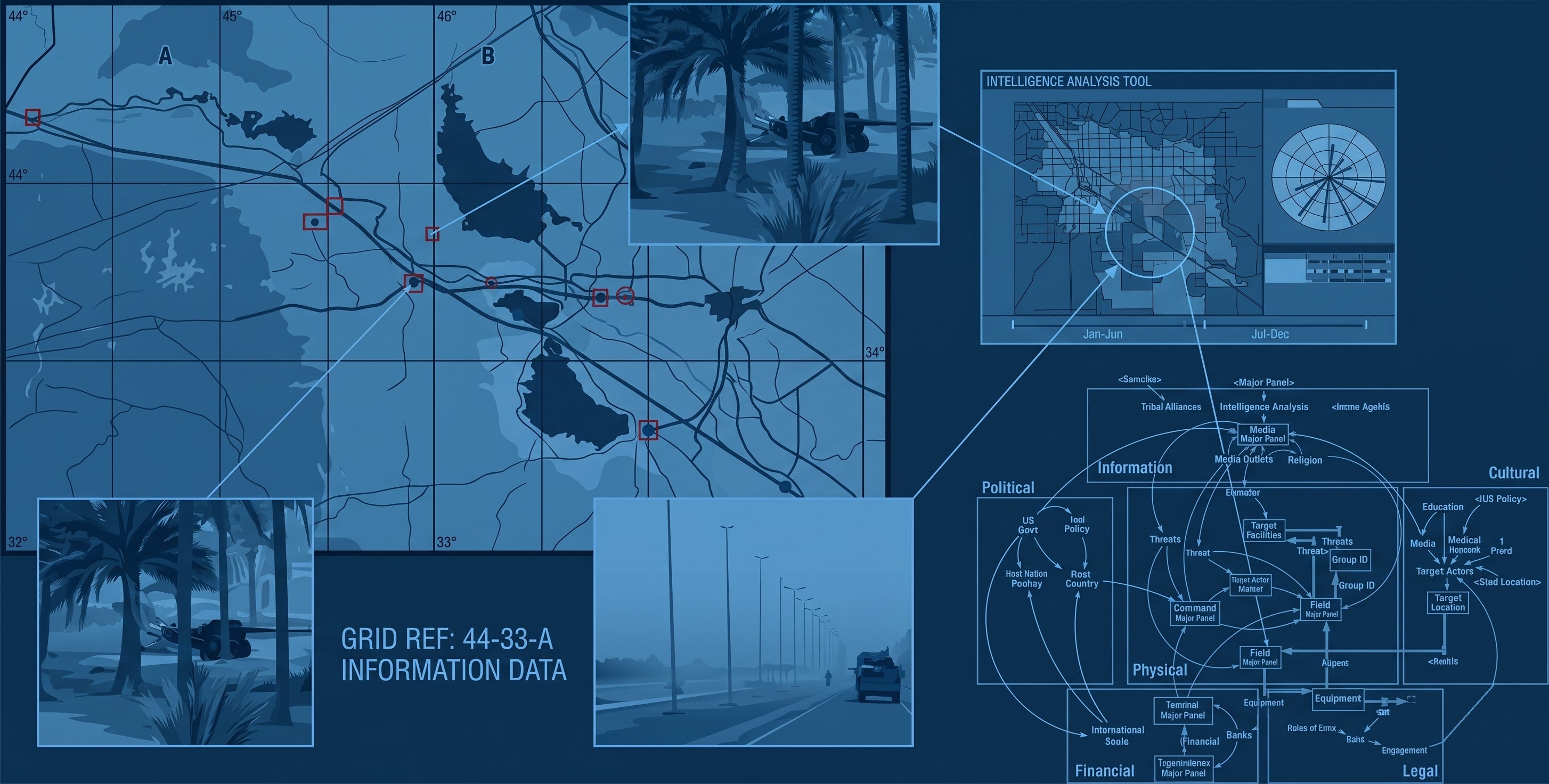
An Intelligence Superiority Center must not only inform the top level. It must strengthen the entire security and protection ecosystem.
Information gathering capabilities
The information gathering capabilities of these centers must become a reference capability in themselves.
They must operate across open, classified, institutional, commercial, technical, and human sources, always according to law, mission, security, and governance requirements.
The center must be able to search, monitor, validate, and exploit sources that are:
Relevant
Reliable
Valid
Timely
Securely managed
Properly classified
Operationally useful
A particularly important capability is the development of secure, controlled networks of human and digital information contributors capable of providing high-value information through structured mechanisms.
In the digital environment, this may involve multimedia systems, internet platforms, mobile systems, interactive environments, social media, and other lawful contribution channels.
The objective is not mass collection.
The objective is intelligent acquisition.
A good intelligence center does not merely collect everything. It acquires what matters, structures what it acquires, and reasons over it with methodological discipline.
Coordination and crisis learning
An Intelligence Superiority Center must not be limited to intelligence production. It must also support coordination and learning across security and defense activities.
One of the most important structures is a lessons learned committee.
Its mission is to establish, improve, and update guidelines and processes of action in response to terrorist, criminal, military, corporate, or hybrid crises.
This committee should not be ceremonial. It should be operationally relevant.
It must identify what worked, what failed, what was delayed, what was misunderstood, which procedures created friction, which warnings were missed, and which capabilities should be redesigned.
The center must also support outreach and training programs for actors that participate in deterrence, protection, crisis management, and resilience.
These may include:
Local police
Civil protection
Environmental protection
Health emergencies
Critical infrastructure operators
Important companies
Public administrations
Emergency coordination structures
Private security actors
Sector-specific risk organizations
This is where an Intelligence Superiority Center becomes a strategic ecosystem.
It does not simply produce knowledge.
It improves the collective capacity to act.
Core intelligence report taxonomy
A modern national security or defense intelligence system should produce a structured taxonomy of reports.
At minimum, this may include surveillance reports, alert reports, aggregated reports, and rapid response intelligence reports.
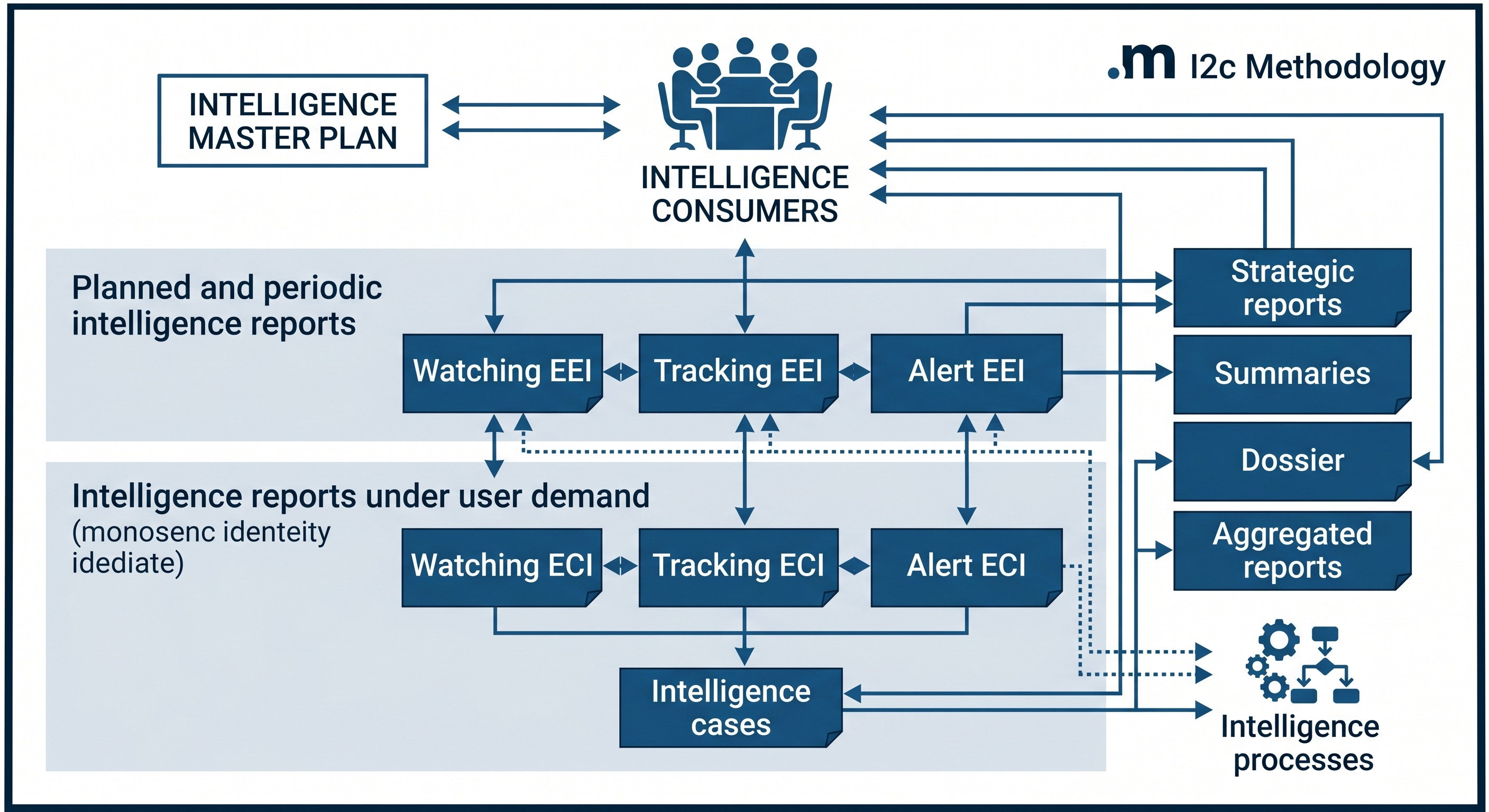
Surveillance reports
These are usually produced daily or with high periodicity.
They may cover:
Operating procedures of terrorist, criminal, military, or hostile groups
Technologies used by hostile actors
Organization and structure
Background factors in areas of hostile influence
Changes in logistical, financial, technical, ideological, or social environments
Surveillance reports are essential because they preserve continuity of observation.
Without surveillance, intelligence becomes episodic.
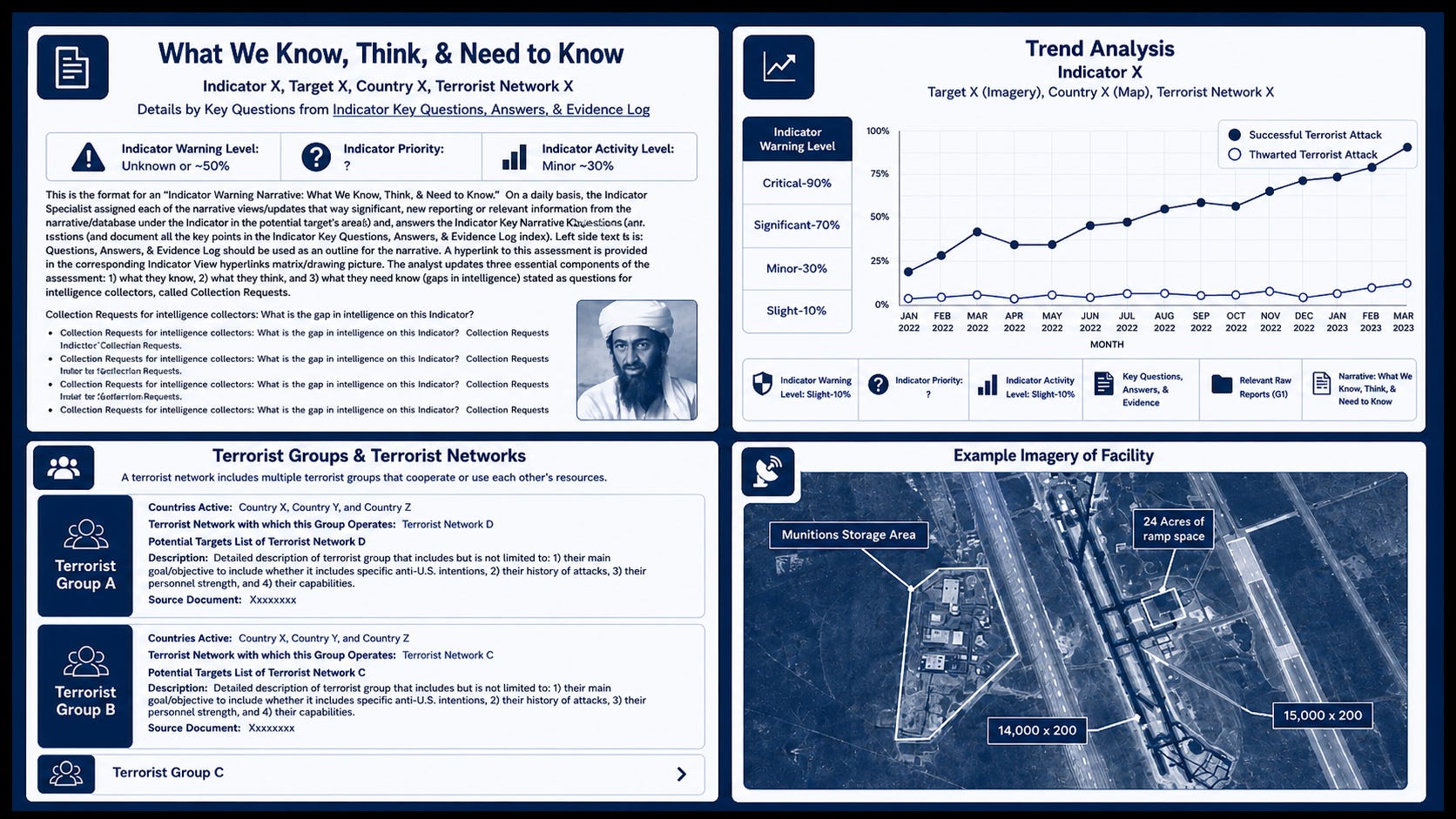
Alert reports
Alert reports should provide early warning and decision support.
They may include:
Scalar indexes of impact and activity
Relational indexes of impact and activity
Indicators of intention
Indicators of capability
Indicators of target vulnerability
Escalation signals
Emerging threat patterns
Risk concentration areas
Alert reports must be short, precise, actionable, and delivered in useful time.
Aggregated reports
Aggregated reports are usually produced monthly or periodically.
They may include:
Escalation trends
Threat assessment
Risk assessment
Opportunity assessment
Structural changes in the environment
Comparative analysis across regions, actors, groups, or capabilities
These reports support strategic understanding.
They help decision-makers see patterns that may not be visible in daily reporting.
Rapid response intelligence reports
Rapid response products are produced upon request or in response to urgent situations.
They may include:
Documentary evidence
Analytical evidence
Evidence of indicators and patterns
Urgent hypothesis testing
Immediate operational assessments
Target, actor, network, or incident analysis
Crisis decision support
These products require speed, but speed must not destroy rigor.
That is why Automated Complex Reasoning Systems are so important.
The socio-technical nature of Intelligence Superiority Centers
The deployment of a military, criminal, counterterrorism, or corporate Intelligence Superiority Center is not a software installation.
It is a socio-technical transformation.
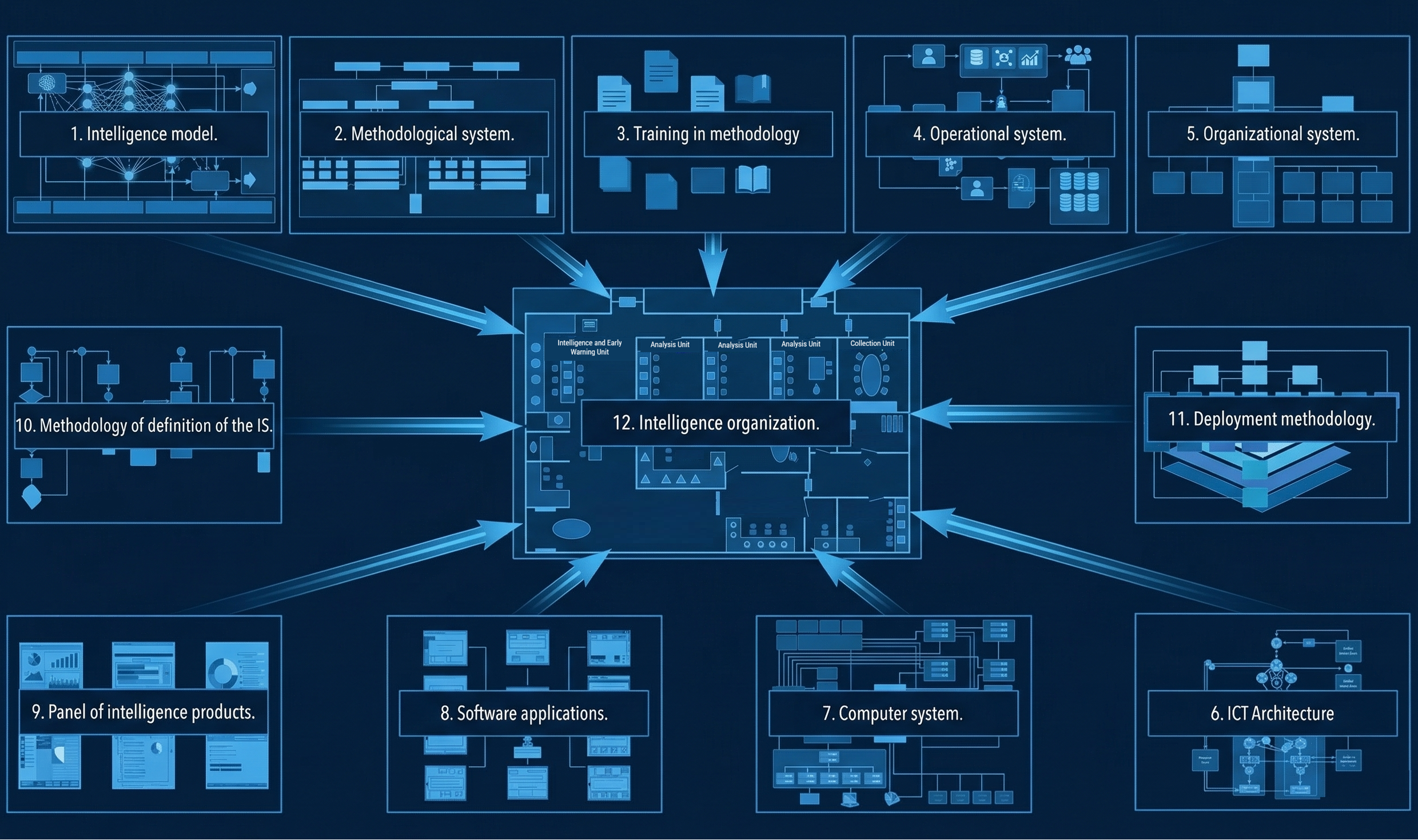
It requires the progressive definition, approval, and implementation of organizational, operational, educational, methodological, and technological processes under a doctrine and intelligence model designed for the specific purpose of each organizational structure.
An Intelligence Superiority Center must integrate:
Doctrine
Organization
Personnel
Training
Intelligence methodology
Analytical workflows
Technological systems
Data governance
Security models
Dissemination systems
AI reasoning architectures
Quality assurance
Lessons learned
Continuous innovation
Very few companies can seriously address the full complexity of this domain.
It is not enough to provide tools.
It is not enough to provide dashboards.
It is not enough to deploy AI models.
The real challenge is to design the entire intelligence ecosystem.
Physical, virtual, and hybrid centers
Future Intelligence Superiority Centers will not exist only as physical facilities.
They may be physical, virtual, or hybrid.
A physical center provides secure facilities, controlled access, operational concentration, face-to-face coordination, and high-trust environments.
A virtual center allows distributed teams, remote experts, federated analysis, secure information exchange, and scalable collaboration across geography.
A hybrid center combines both models, allowing sensitive operations to remain physically controlled while analytical, methodological, and expert capabilities can be distributed.
This hybrid logic is increasingly important for multi-domain intelligence.
No single facility can contain all expertise, all sources, all partners, and all operational contexts. The center must therefore become both a place and a network.
Automated Complex Reasoning Systems
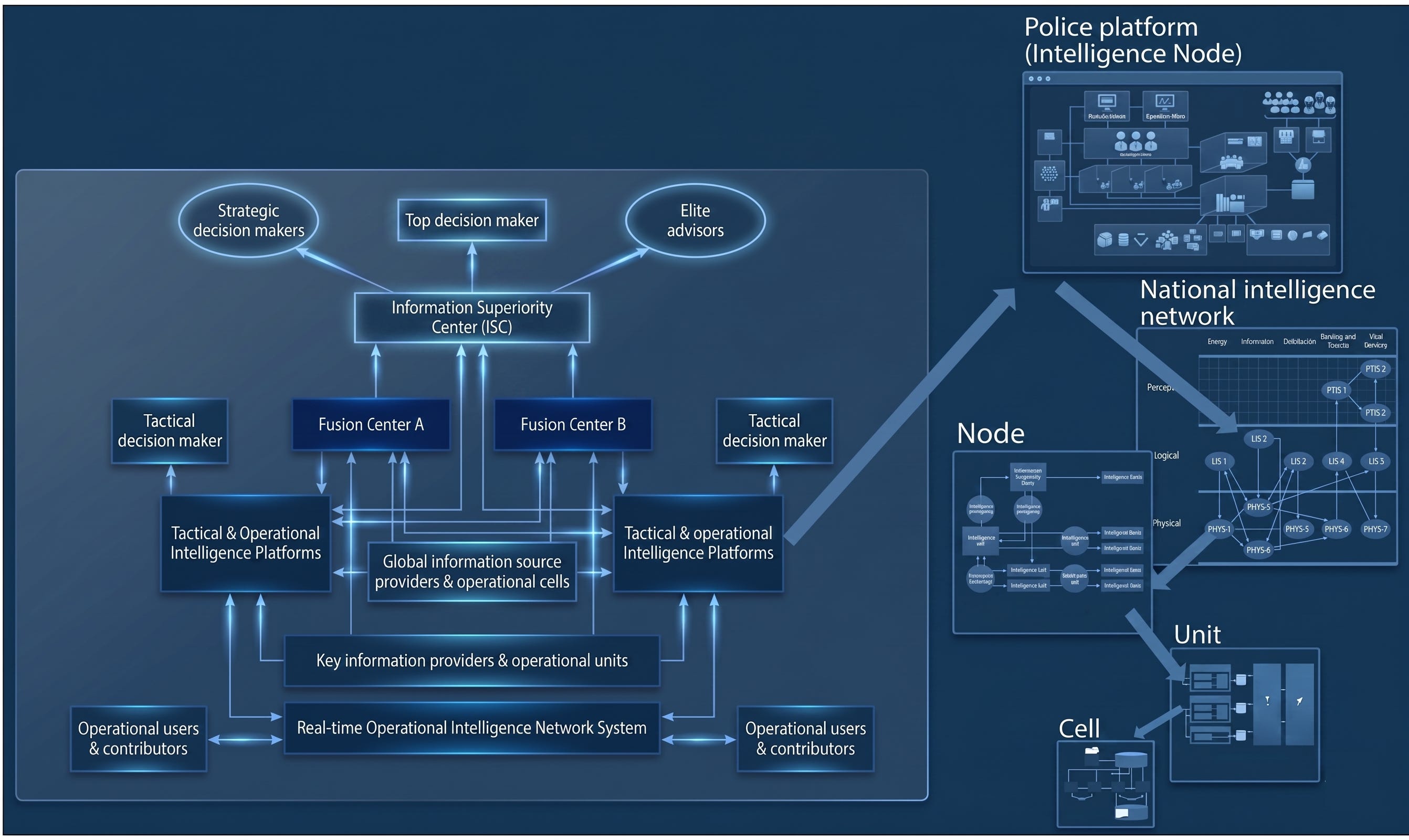
The defining capability of our approach is the use of Automated Complex Reasoning Systems.
These systems are designed to support the Intelligence Superiority Center across the full reasoning chain:
Information acquisition
Source evaluation
Evidence weighting
Hypothesis generation
Hypothesis comparison
Pattern detection
Alert generation
Scenario analysis
Risk assessment
Product preparation
Lessons learned
Continuous improvement
The purpose is not to replace human analysts, commanders, investigators, executives, or decision-makers.
The purpose is to augment them.
Human intelligence remains essential because judgement, responsibility, interpretation, legal understanding, and ethical control cannot be delegated blindly to machines.
But artificial reasoning can help reduce cognitive overload, detect hidden patterns, structure evidence, accelerate production, improve traceability, and support real-time decision-making.
This is the correct role of AI in Intelligence Superiority Centers.
Not artificial omniscience.
Artificial reasoning support.
Multi-domain intelligence
The new centers we are designing are not limited to one intelligence domain.
They are conceived as multi-domain Intelligence Superiority Centers.
This matters because threats no longer respect institutional categories.
A hostile operation may involve:
Cyber activity
Financial flows
Criminal logistics
Terrorist intent
Corporate infiltration
Disinformation
Military pressure
Technological acquisition
Supply-chain manipulation
Legal ambiguity
Political influence
Social polarization
A center organized around a single domain will often see only a fragment of the threat.
A multi-domain Intelligence Superiority Center must connect fragments into a coherent understanding.
This requires distributed reasoning, shared doctrine, common evidence structures, interoperable systems, and cross-domain analytical teams.
The objective is not merely integration.
It is intelligence superiority.
Corporate Intelligence Superiority Centers
The same logic applies to the corporate domain.
Large companies and SMEs increasingly operate in environments shaped by geopolitical uncertainty, cyber threats, supply-chain fragility, market disruption, regulatory complexity, reputational risk, technological competition, criminal infiltration, and hostile economic action.
Corporate intelligence cannot remain limited to market reports, dashboards, or competitive monitoring.
A Corporate Intelligence Superiority Center should help executives:
Understand their strategic environment
Detect threats and opportunities early
Monitor competitors and hostile actors
Protect strategic assets
Anticipate regulatory and market shifts
Coordinate intelligence with executive decision-making
Support crisis management
Improve strategic decisions
Reduce inefficiencies
Learn continuously from actions and outcomes
This is where advanced intelligence methodology, complex reasoning, and AI-based production systems can provide significant value.
Companies are not armies.
But complex environments require intelligence, anticipation, coordination, and learning.
Why this capability matters strategically
In my view, the capability to design, improve, and deploy these centers has extremely high strategic value for Europe, the United States, and NATO.
The reason is straightforward.
Modern threats are faster than traditional organizations.
They are more adaptive than traditional processes.
They are more distributed than traditional hierarchies.
They are more hybrid than traditional doctrine.
And they are increasingly supported by digital, financial, technological, informational, and cognitive infrastructures.
Responding to this environment requires a new generation of intelligence centers capable of integrating human expertise, automated reasoning, secure dissemination, evidence-based analysis, adaptive production, and multi-domain coordination.
This is not a secondary modernization effort.
It is a strategic necessity.
Binomial CD capabilities
Binomial C&D, supported by WarMind Labs and connected with Praeferentis, brings together a set of capabilities that are rare in this domain.
These include:
Conceptual innovation
Doctrine design
Organizational modelling
Intelligence methodology
Evidence-based reasoning models
Automated Complex Reasoning Systems
AI-based intelligence production processes
Design of physical, virtual, and hybrid centers
Multi-domain intelligence architectures
Training and education models
Lessons learned systems
Continuous innovation frameworks
Deployment support and project management
This is why we believe we are one of the few innovative companies capable of addressing the full project management, design, coordination, and continuous innovation complexity inherent in this field.
The challenge is not only technical.
It is systemic.
Toward a new generation of Intelligence Superiority Centers
The next generation of Intelligence Superiority Centers must be designed as adaptive and evolving organizational structures.
Adaptive because threats change.
Evolving because doctrine, technology, and organizations must continuously improve.
AI-based because some intelligence production and reasoning processes must operate with increasing speed, scale, traceability, and analytical discipline.
But they must also remain human-commanded, legally constrained, ethically governed, methodologically rigorous, and strategically aligned.
This is the balance that matters.
The future intelligence center will not be a room full of screens.
It will be a reasoning organization.
It will combine doctrine, people, AI, evidence, security, methodology, dissemination, and learning into a single adaptive system.
That is the purpose of our new global area for the design, improvement, and deployment of AI-Based Multi-Domain Intelligence Superiority Centers.
The future of intelligence will not belong to those who merely collect more information.
It will belong to those who can organize, reason, disseminate, decide, and adapt faster and better than the threat.
Not more fragmented intelligence: integrated intelligence superiority.
Not more reports: reasoned decision support.
Not more tools: adaptive intelligence organizations.