

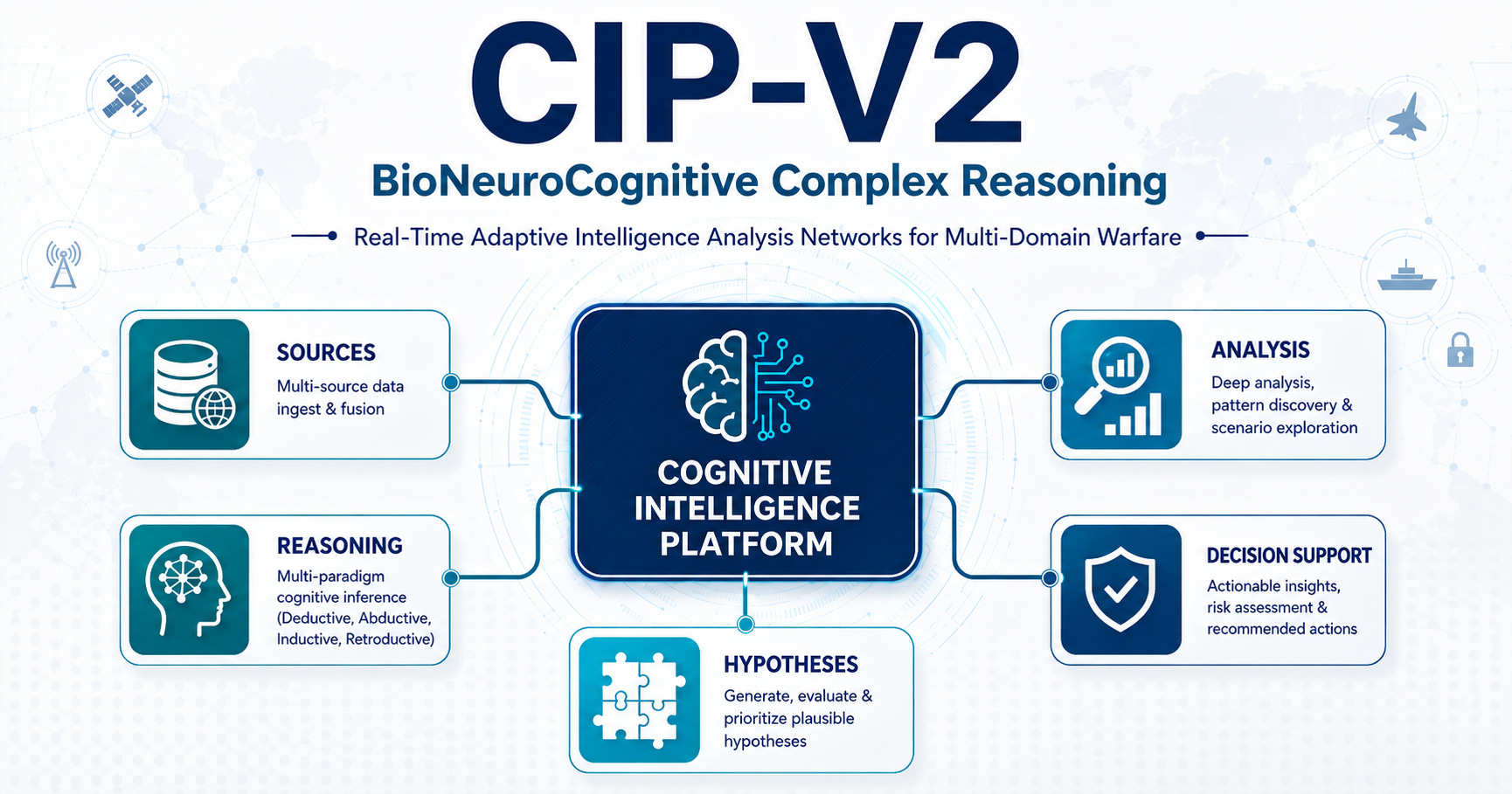
The multi-domain battlefield in hybrid and irregular warfare requires a new generation of intelligence systems.
Not simply systems that collect more data. Not merely platforms that connect more sources. Not dashboards that automate fragments of the traditional intelligence cycle.
What is required now are dynamic, permanent, and transient structures for adaptive, evolving, and semi-autonomous real-time intelligence production.
These structures must be able to operate in scenarios shaped by cross-cutting, combinatorial, and contagious threats. They must function under uncertainty, deception, simultaneity, fragmentation, incomplete evidence, ambiguous intentions, and rapidly changing operational conditions.
This is the conceptual and operational space of CIP-V2, our Cognitive Intelligence Platform, based on BioNeuroCognitive Complex Reasoning.
CIP-V2 is designed to support real-time adaptive intelligence analysis networks for multi-domain warfare, integrating human analysts, virtual analytic reasoning agents, multi-source intelligence, evidence-based reasoning, hypothesis generation, and continuous operational learning.
This is an executive summary of the fundamental principles behind the model. Of course, any additional information regarding sensitive capabilities, operational design, deployment models, classified reasoning structures, or disruptive military applications is available only under legally binding confidentiality and intellectual property protection agreements.
From simplified intelligence to UNITAS-MULTIPLEX reasoning
One of the main areas of my research is the innovative design of intelligence systems based on UNITAS-MULTIPLEX, or Complex Reasoning.
This approach stands against the paradigm of simplification that still dominates many intelligence methods. That paradigm is based on excessive disjunction, hierarchy, abstraction, compartmentalization, and reduction of the object of analysis.
The problem is not abstraction itself. Intelligence always needs abstraction.
The problem is abstraction without reintegration.
Blind intelligence, based on simplifying thought, destroys sets and totalities. It isolates objects from their environments. It separates the event from the system, the actor from the context, the signal from the process, and the observer from the observed.
In political, military, criminal, terrorist, social, and corporate phenomena, this mutilated vision can be extremely costly.
Complex reasoning begins from the opposite premise. The real world is not a set of isolated variables. It is a fabric of interactions, feedback loops, temporal dependencies, hidden relations, contradictory signals, and evolving structures.
Political, military, and business organizations need a complex reasoning paradigm because truth in the real world emerges by working with and against:
Uncertainty
Randomness
Instantaneity
Contradiction
Incompleteness
Multiple interacting causes
Feedback between actors, systems, and environments
Non-obvious relations
Tacit expert knowledge
The evolving meaning of evidence
As Gaston Bachelard observed, “the simple does not exist; there is only the simplified.”
That sentence captures the spirit of CIP-V2.
The problem is not that intelligence lacks data. The problem is that intelligence too often simplifies the world before it understands it.
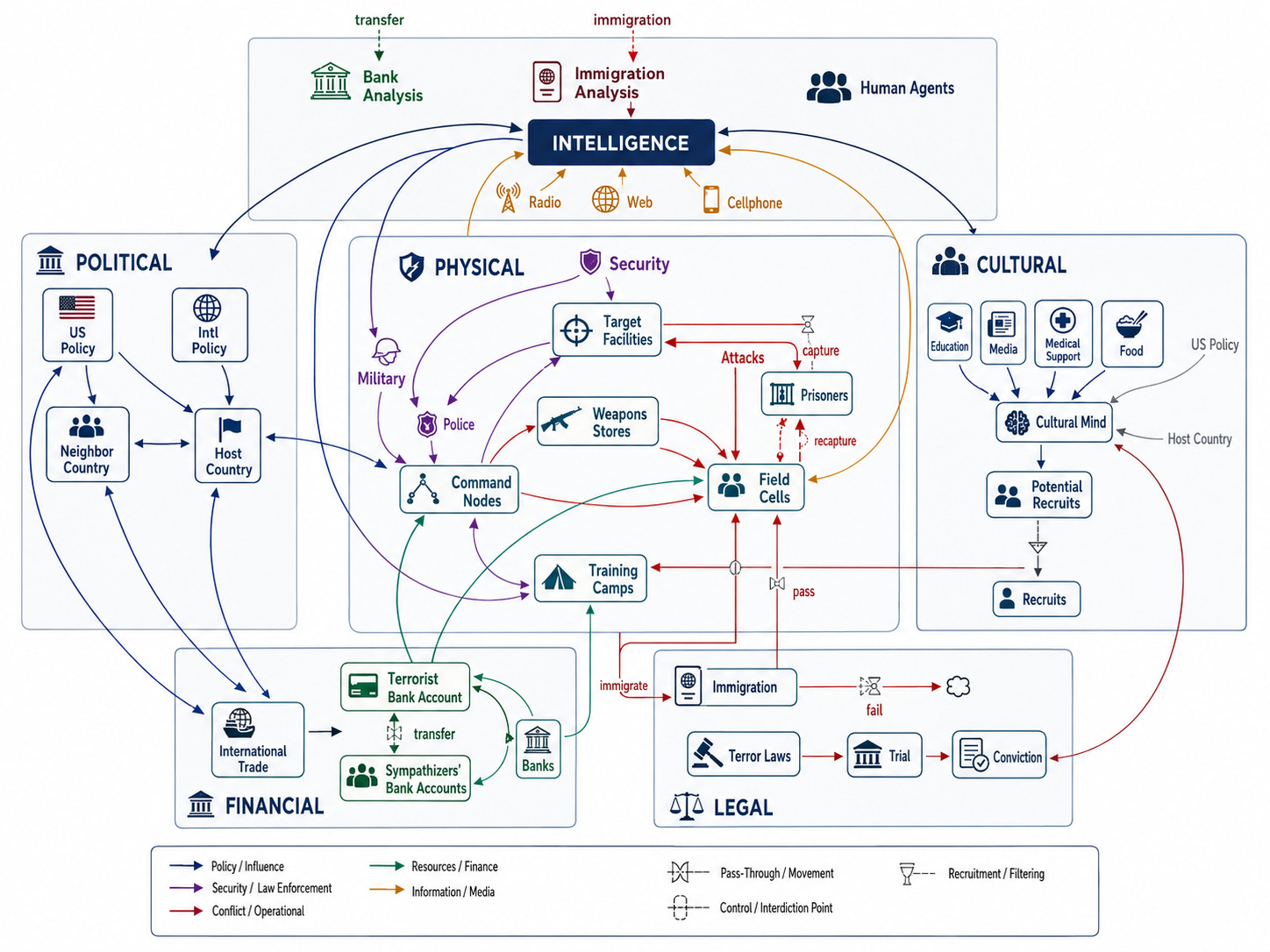
Figure 1. General view of complex reasoning processes for understanding real-world complexity.
A multi-domain representation of political, physical, cultural, financial, legal, and informational factors interacting in a complex operational environment.
Why current intelligence systems are insufficient
Current intelligence systems are often interpreted as computer systems that support specific functions of the traditional intelligence cycle.
They generally allow organizations to:
Capture and integrate information from multiple sources
Extract entities and potentially relevant elements
Organize information and display relationships
Operate across different languages and source formats
Store, search, and visualize links
Monitor relevant information
Trigger alerts when new information appears
Automate reports and distribute them in useful decision time
These capabilities are valuable. They are necessary.
But they are not sufficient.
In my experience, these systems do not reach their maximum value when they are deployed as isolated technology projects. Their impact is limited when they are not accompanied by organizational transformation, doctrinal change, analyst training, methodological redesign, and a new understanding of how intelligence analysis should be produced.
Technology alone does not create intelligence superiority.
A database does not reason.
A dashboard does not understand.
A report generator does not judge.
A search engine does not infer intention.
The central shift must be from information systems to reasoning systems.
From intelligence analysis to the industrial production of integrated intelligence
CIP-V2 is based on a different operational assumption.
The elaboration of intelligence must evolve toward the industrial production of integrated intelligence, while preserving human judgement, methodological discipline, and evidence-based reasoning.
This does not mean mass-producing low-quality reports.
It means designing a structured, scalable, measurable, and continuously improving production architecture for intelligence products. In such an architecture, human analysts and artificial reasoning agents cooperate through explicit methods, shared evidence structures, and automated reasoning sequences.
This requires three transformations:
First, a new framework for intelligence analysis that incorporates the essential premises of complex reasoning systems.
Second, a new generation of intelligence structures with new objectives, formats, and behaviors.
Third, an architecture based on the Analytic Reasoning Agent, where smart, virtual, and semi-autonomous analyst agents can support the capture, organization, synthesis, evaluation, and interpretation of evidence.
The purpose is to apply a scientific approach to evidence analysis and synthesis through multiple reasoning methods, including:
Deduction
Induction
Abduction
Retroduction
Hypothesis generation
Hypothesis testing
Evidence marshalling
Argument construction
Competing hypothesis analysis
Uncertainty assessment
This is where BioNeuroCognitive AI becomes operationally relevant.
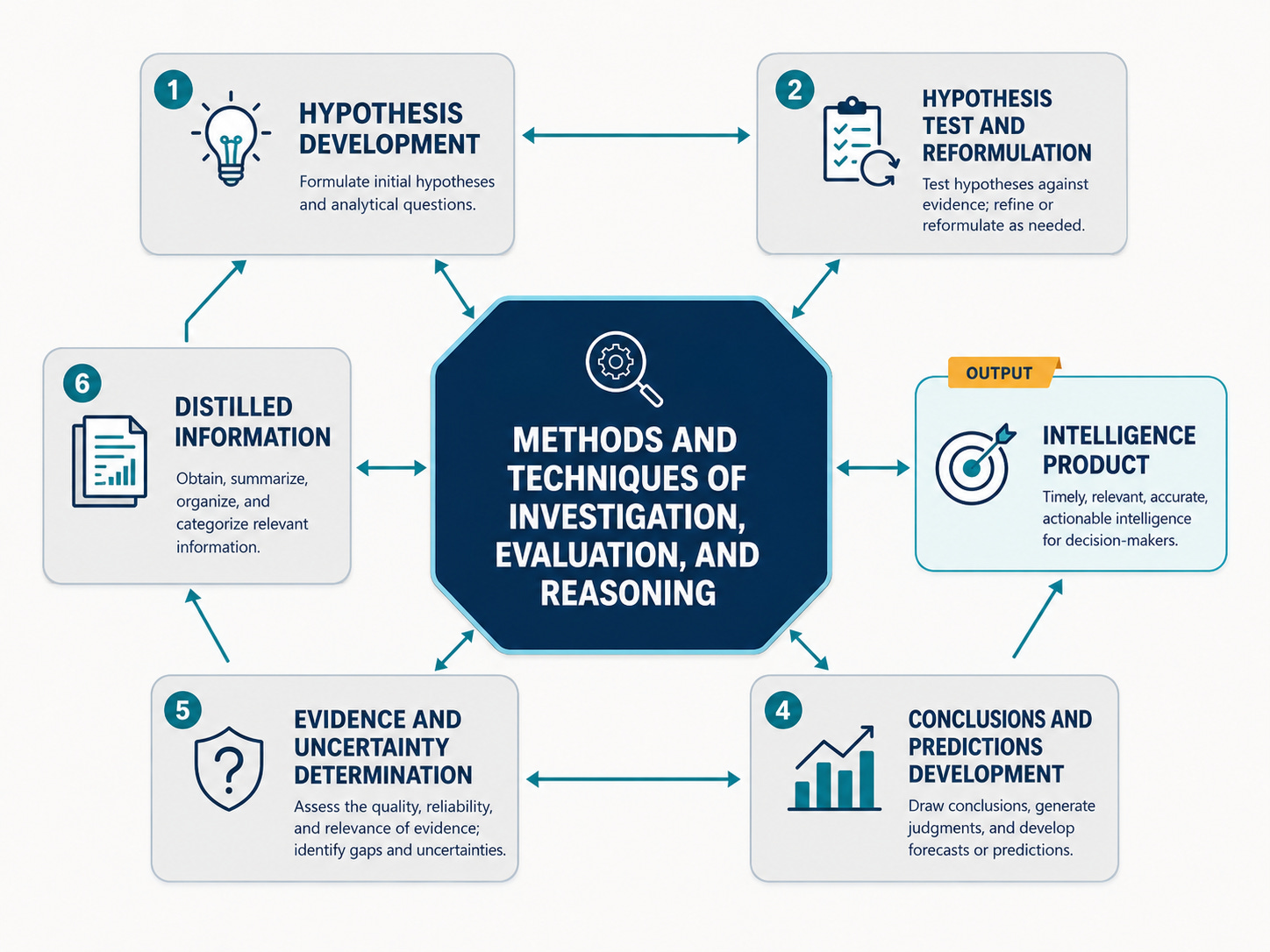
Figure 2. Methods and techniques of investigation, evaluation, and reasoning.
A conceptual model of intelligence production linking distilled information, hypothesis development, evidence and uncertainty determination, hypothesis testing and reformulation, conclusions, predictions, and final intelligence products.
Peirce, inference, and the logic of discovery
One of the intellectual foundations of CIP-V2 is the inferential logic associated with Charles Sanders Peirce, especially the relationship between abduction, deduction, and induction in the process of inquiry.
This matters because intelligence analysis rarely begins with complete evidence.
It begins with fragments.
Weak signals.
Contradictory reports.
Missing data.
Ambiguous intentions.
Uncertain source credibility.
Partial observations.
In such conditions, the intelligence problem is not merely to classify information. It is to construct, test, and revise plausible explanations under uncertainty.
In simplified terms:
Abduction proposes a plausible explanation for surprising or incomplete evidence.
Deduction derives expected consequences from a hypothesis.
Induction tests, generalizes, or updates belief based on observed evidence.
Retroduction moves backward from observed facts toward the conditions, mechanisms, or structures that could have produced them.
This Peircean logic is central to intelligence reasoning.
The analyst observes something that does not fully fit the known picture. A hypothesis is generated. Consequences are derived. Evidence is searched, compared, and tested. Confidence is updated. The hypothesis is confirmed, weakened, replaced, or reformulated.
CIP-V2 incorporates this logic into automated and human-supervised reasoning structures. The system must be able to conjecture hypotheses, derive implications, search for confirming and disconfirming evidence, compare alternatives, update confidence levels, and reformulate the analysis when the evidence changes.
This is one of the reasons CIP-V2 is not simply an AI platform. It is a reasoning architecture.
The role of representation in intelligence
In the early days of artificial intelligence, John McCarthy argued that the problem of training a system to learn is inseparable from the problem of how to represent knowledge and how to transform that representation when errors occur.
This idea remains central.
Intelligence does not only depend on computation. It depends on representation.
If a system represents the world badly, it will reason badly.
If it cannot transform its representations when new evidence appears, it cannot learn.
If it cannot connect representations to goals, uncertainty, evidence, and action, it cannot support intelligence operations.
In this approach, the generation of new thoughts from previous ones is directly connected to the intelligent development of representations in mind and machine.
This involves several essential capabilities:
Creativity, understood as the generation of new representations of the world
Learning, understood as the progressive improvement of BioNeuroCognitive abilities under external influence
Problem solving, understood as the set of skills applied to situations that prevent an actor from establishing a strategy to achieve a goal
Intelligence analysis is therefore not merely data processing.
It is a human and artificial activity systematically directed toward obtaining the meaning of what is happening, and why, in a domain of the real world.
Complex reasoning approaches in intelligence analysis
Different intelligence problems require different reasoning approaches.
A simple template search may work for low-complexity tasks. But it collapses when the number of actors, causes, effects, and interactions increases.
The most demanding intelligence problems require a combination of reasoning paradigms:
Symbolic logic
Case-based reasoning
Analogical reasoning
Qualitative reasoning
Quantitative reasoning
Classical AI
Connectionist approaches
Analytic simulation
This is why one of the foundations of CIP-V2 is not a single reasoning method, but a multi-method reasoning architecture.
In complex, multi-domain, adversarial environments, the analyst and the system must reason across actors, capabilities, intentions, causal chains, hidden relations, operational constraints, possible futures, risks, opportunities, feedback loops, non-obvious patterns, and unknown or missing evidence.
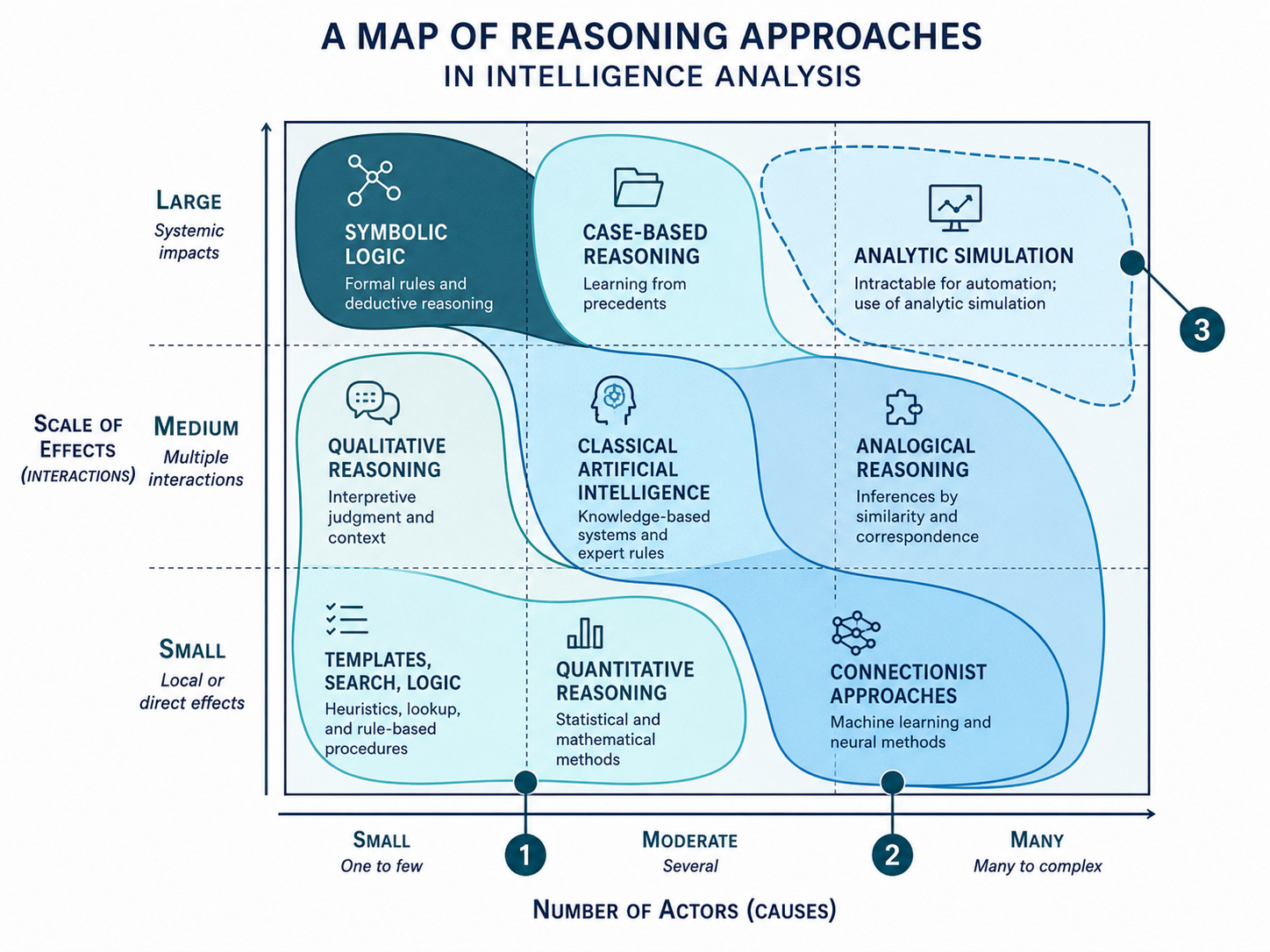
Figure 3. Complex reasoning approaches in intelligence analysis scenarios.
A conceptual map showing how different reasoning paradigms become relevant depending on the number of actors, causal interactions, and scale of effects involved in the intelligence problem.
From data to wisdom in intelligence analysis
CIP-V2 assumes that intelligence production must move across different levels of abstraction.
Raw observation is not enough. Data must become information. Information must become knowledge. Knowledge must support wisdom, understood here as effectively applied knowledge.
This transformation requires both explicit and implicit processes.
Explicit processes include:
Sensing
Collection
Measurement
Data acquisition
Preprocessing
Filtering
Indexing
Alignment
Correlation
Association
Extrapolation
Deconfliction
Reasoning
Inference
Uncertainty management
Implicit processes include:
Orienting
Sorting
Experiencing
Ideation
Metaphor creation
Experience matching
Sensemaking
Valuation
Meaning creation
Leadership
Goal setting
Judgement
Decision-making
A cognitive intelligence platform must support both.
It must not only process information.
It must support understanding.
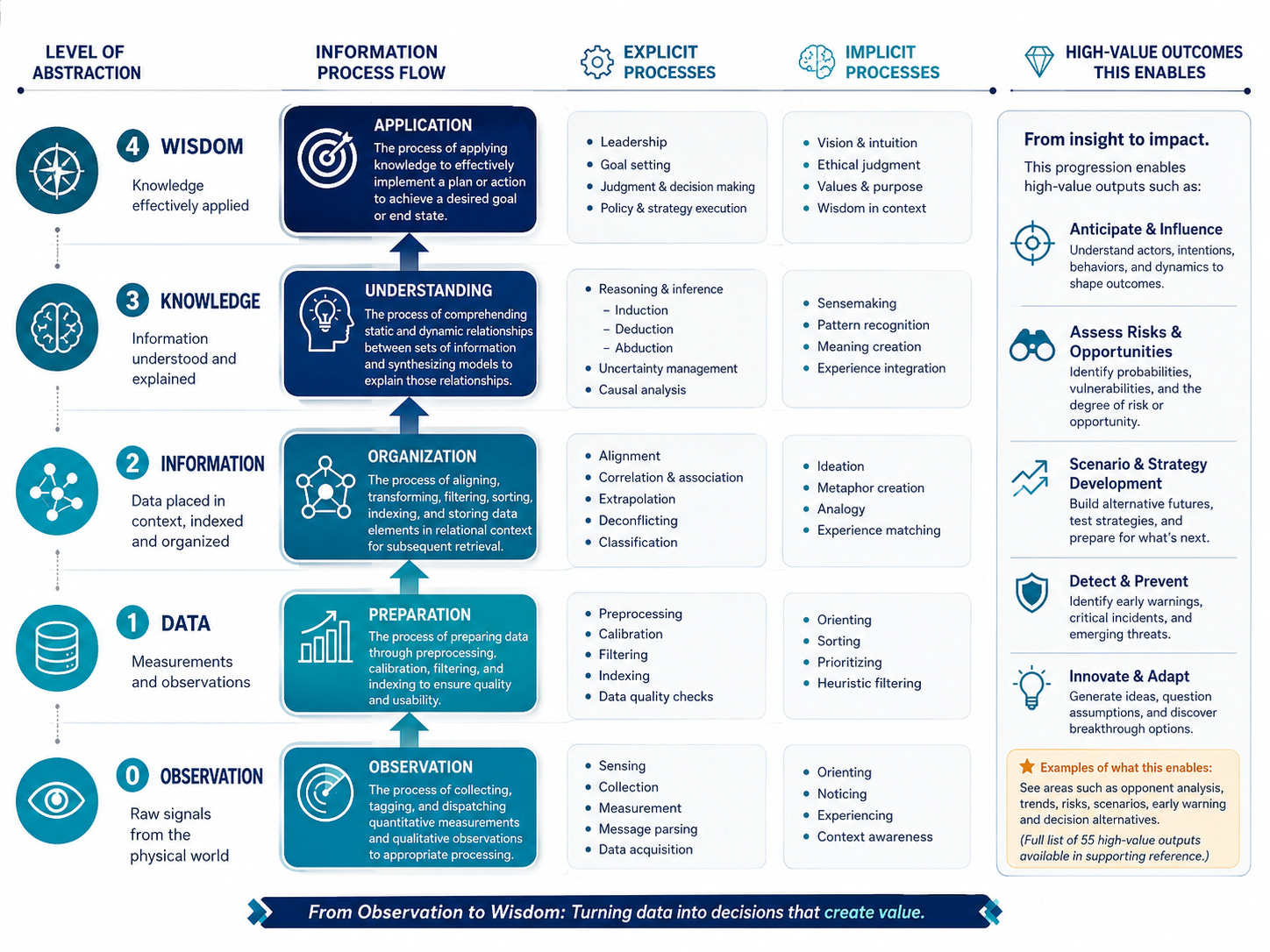
Figure 4. From data to wisdom in intelligence analysis.
A model of the transition from observation and data organization to information, knowledge, reasoning, sensemaking, judgement, and applied intelligence.
BioNeuroCognitive reasoning processes in intelligence analysis
BioNeuroCognitive reasoning processes are essential because intelligence analysis is not a linear computational task.
It involves perception, memory, inference, imagination, emotion, anticipation, social interpretation, and decision under uncertainty.
Human analysts can often make motivational, resultative, predictive, and intentional inferences naturally. But it is much more difficult to combine many inference types in a coherent, auditable, repeatable, and timely manner.
That is where automated reasoning agents can help.
CIP-V2 is designed to support reasoning over:
Objectives of an opponent
Emotional state of an opponent
Preferences of an opponent
Plans of an opponent
Anticipated actions of an opponent
Manipulations and traps
Strategic centers of gravity
Social and psychological profiles
Hidden relationships
Past, present, and intended networks
Credibility of information, people, and organizations
Alternative futures
Risks and opportunities
Critical incidents
Early warning indicators
The key idea is not to replace the analyst.
The key idea is to extend the analyst’s reasoning capacity.
Intelligence Inference Meta Rules
A central component of CIP-V2 is the modelling of Intelligence Inference Meta Rules.
These meta rules define reusable forms of reasoning that can be applied across many domains. They allow the system to ask better questions, generate plausible hypotheses, search for missing evidence, evaluate relationships, and anticipate future states.
The following are some of the core inference meta rules incorporated into this approach:
Specific inferences
What conceptual components are probably missing in an incomplete conceptual group?Causal inferences
What were the likely causes of an action or state?Resultative inferences
What are the likely outcomes or effects of an action or state?Motivational inferences
Why did, or would, an actor perform an action? What were the actor’s intentions?Capability inferences
What states of the world must be true, or must have been true, for an action to take place?Functional inferences
Why do people want or possess certain objects?Prediction and qualification inferences
If an actor wants the world to be in a particular state, is it because that state enables a predictable action?Limitation inferences
If an actor cannot perform a desired action, can this be explained by a missing prerequisite state of the world?Mediation inferences
When an action causes, or may cause, undesirable results in the world.Predictive action inferences
Knowing the needs or desires of an actor, what actions are likely to be performed to satisfy those needs or achieve those desires?Knowledge propagation inferences
If a person knows certain things, what else can be predicted that they also know?Normative inferences
In relation to what is normal in the world, how believable is a report in the absence of specific knowledge?State permanence inferences
How long can a state or action be predicted to last?Trait inferences
Knowing certain traits of an entity and the situations in which it appears, what additional things can be inferred about that entity?Situation inferences
What other information can be inferred from a familiar situation?Expression-intention inferences
What can be inferred from the way something is said? Why did the speaker say it?Relational inferences
Diachronic relationships identify who or what has been related to an actor over time. Synchronic relationships identify who or what was related to an actor during the course of an action or event.Relationship propagation inferences
If an actor is related to certain entities, what other entities can be inferred to be related to that actor?
These inference types are not isolated. Their real value appears when they are connected into networks.
A causal inference may depend on a capability inference. A motivational inference may depend on a relational inference. A predictive action inference may depend on knowledge propagation. A normative inference may affect the confidence assigned to a hypothesis.
That is why CIP-V2 is based on complex inference networks, not isolated analytic functions.
High-value information generated by complex inference
The high-value information generated by these inference systems includes, among many others:
Objectives of an opponent
Emotional states of an opponent
Preferences and priorities
Plans and intended actions
Anticipated future actions
Manipulations, traps, and deception
Strategic centers of gravity
Social and psychological profiles
Hidden relationships
Relationship networks
Past, present, and intended social networks
Profiles and perceptions of individuals and organizations
Alternative ways of framing problems and solutions
Decision alternatives in light of objectives and situations
Future events inferred from observed events
Credibility of information, people, and organizations
Cost-benefit trade-offs for goals and actions
Processes that may lead to an event or situation
Expert opinions on a topic
Necessary trade-offs to perform an action
Escalation trends in a situation or conflict
Forces of actors in possible operational scenarios
Strategies of actors in possible operational scenarios
Disposition of target forces in political, geographical, or organizational terms
Meaning of numerical patterns and trends
Probability of situations
Degree and form of risk affecting actors, factors, or situations
Degree of opportunity affecting actors, factors, or situations
Influence capacity of a person or organization
Vulnerabilities of people and organizations
Alternative futures based on present evidence
Systemic problems of an organization
Conflict scenarios arising from present or future positions
Key influences required to reach an objective
Undesirable events and consequences
Desired events and consequences
Dissolution of structural problems
Temporary or total inhibition of environmental situations
Critical incidents for an organization or individual
Detection of critical incidents
Contrary situations that would emerge from opposing objectives
Possible and achievable scenarios depending on proposed actions
New scenarios based on actor strategies
Possibility of occurrence of unthinkable situations
Processes that could lead to unthinkable situations
Intuitions
Clichés
Dreams and fantasy questions
Validation or refutation of mental images
Contradictions and paradoxes of an organization
Implicit communication flows
Situations resulting from erroneous actions
Influence of external organizations and individuals
Extreme situations
Early warning factors for threat, risk, and opportunity
This list shows why intelligence analysis cannot be reduced to summarization, search, or report automation.
The true problem is reasoning.
Deduction, retroduction, abduction, and induction
CIP-V2 applies multiple reasoning modes to intelligence analysis.
The system must be able to move across different inferential directions depending on the analytical problem.
Deduction starts with known patterns or templates and tests whether the available evidence fits them. It is useful for detection when the analyst or system already knows what kind of structure to seek.
Retroduction is used when evidence suggests the need to conjecture new hypotheses. It supports the discovery of possible explanations when known templates are insufficient.
Abduction seeks the best explanation of observed evidence. It assembles evidence that best follows a reasoning process and evaluates the probability of competing hypotheses.
Induction seeks general patterns from categories of cases or targets. It supports discovery by forming general hypotheses and estimating their probability.
This Peircean family of reasoning modes is fundamental for intelligence analysis because it allows the system to move from evidence to explanation, from hypothesis to testing, and from repeated patterns to discovery.
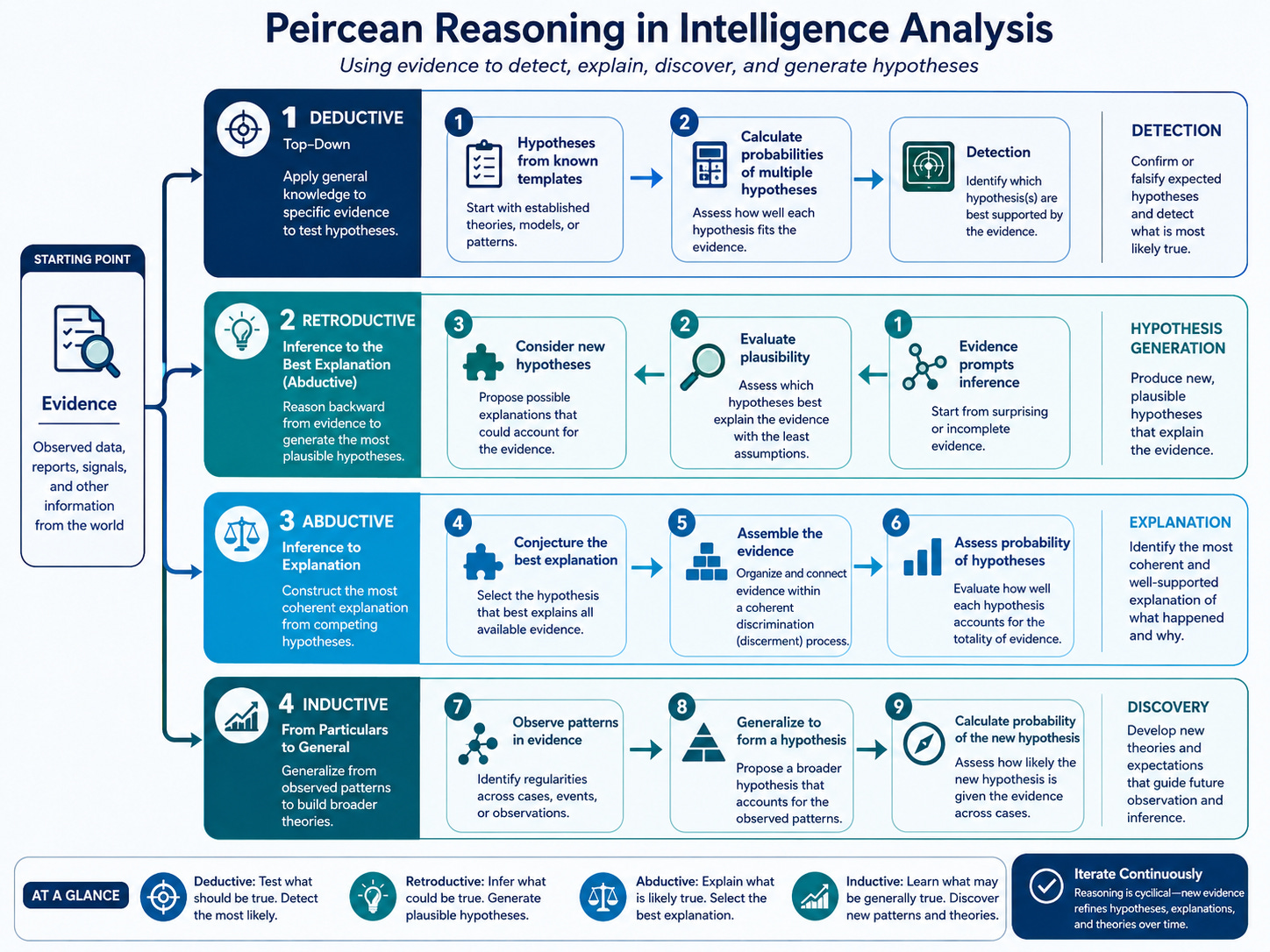
Figure 5. Deductive, retroductive, abductive, and inductive reasoning in intelligence analysis.
A model showing how different reasoning modes support detection, explanation, discovery, and hypothesis generation from evidence.
Analytic Reasoning Agents
CIP-V2 is based on the concept of Analytic Reasoning Agents.
These are virtual, intelligent, and semi-autonomous analyst agents capable of supporting specific reasoning functions in real time. They can be configured to organize, conceptualize, hypothesize, monitor, analyze, recommend, decide, or execute reasoning sequences under human-defined constraints.
In the CIP-V2 architecture, these agents can cooperate continuously to monitor complex situations, generate investigative and analytical hypotheses, test evidence, identify patterns, and produce structured intelligence outputs.
A simplified model includes agent types such as:
OCHM agents, which organize, conceptualize, hypothesize, and monitor
OCAR agents, which organize, conceptualize, analyze, and recommend
OCAD agents, which organize, conceptualize, analyze, and decide
OCADA agents, which organize, conceptualize, analyze, decide, and act
This architecture supports goal-based intelligence analysis cognitive agent networks and multi-source reasoning over OSINT, HUMINT, SIGINT, IMINT, SOCMINT, FISINT, ACINT, TESINT, and other intelligence sources.
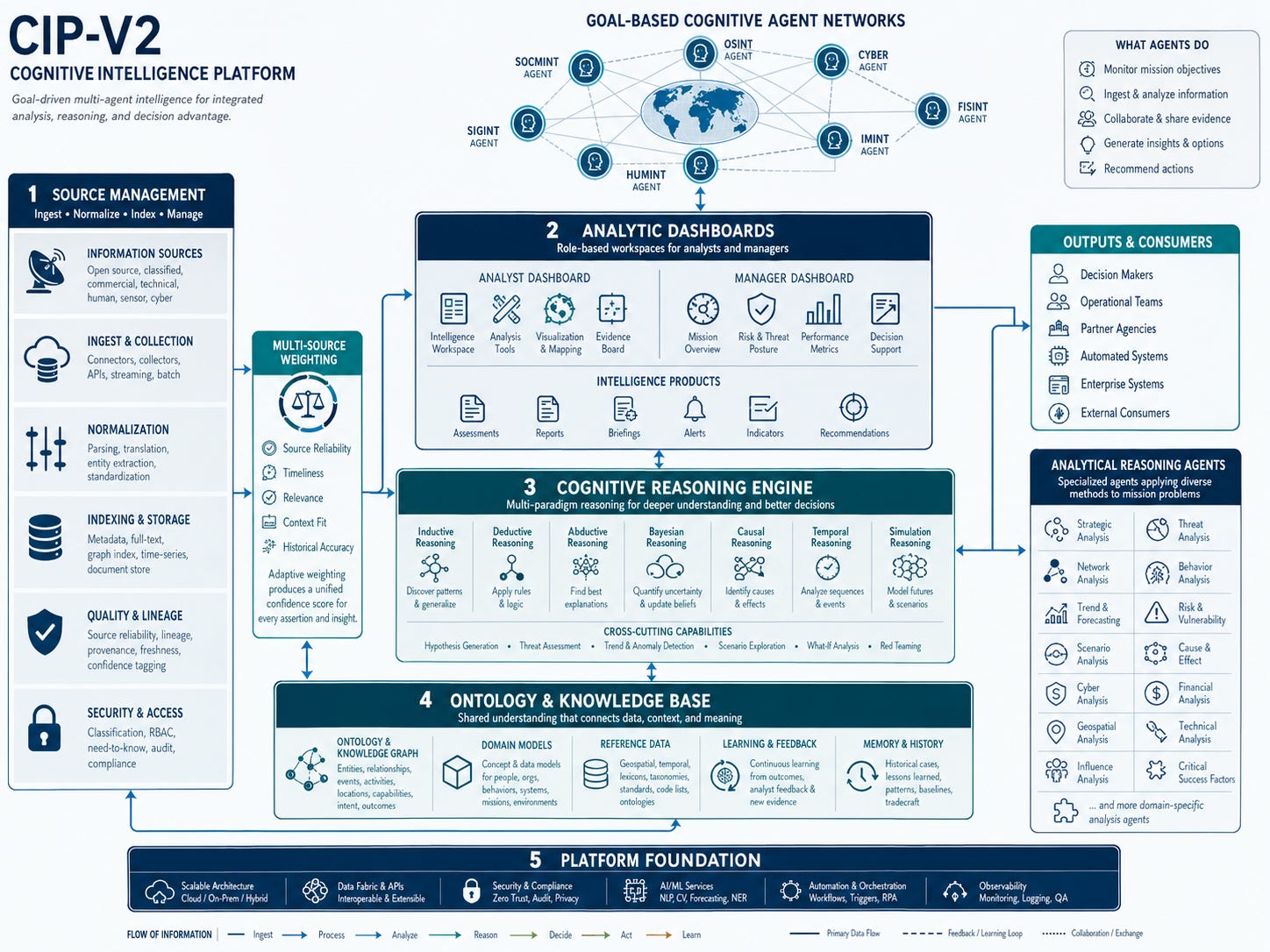
Figure 6. Praeferentis CIP-V2 Cognitive Intelligence Platform architecture.
A holistic view of a multi-agent intelligence analysis platform integrating source management, analytic dashboards, reasoning engines, ontology-based knowledge bases, multi-source weighting, and goal-based cognitive agent networks.
Virtual Intelligence Unit workflow
The CIP-V2 model also supports the concept of a Virtual Intelligence Unit.
This is essential for real-time, multi-source, multi-domain intelligence production. In such a workflow, different intelligence sources can be processed and analyzed at different levels, then fused into all-source situation analysis and impact analysis.
The workflow distinguishes between processing and analysis.
Processing includes:
High-volume near-real-time processing
Alignment
Indexing
Correlation
Location
Identification of objects
Filtering
De-cluttering
Compression of data
Analysis includes:
High-volume query
Complex correlation search
Evidence-organizing tools
Complex modelling and simulation
Fusion of evidence
Target model creation
Knowledge expansion
The process perspective also differs.
Processing moves from existing data toward target-object hypotheses.
Analysis moves from target-object hypotheses back into data.
This distinction is critical.
Processing compresses data.
Analysis creates knowledge.
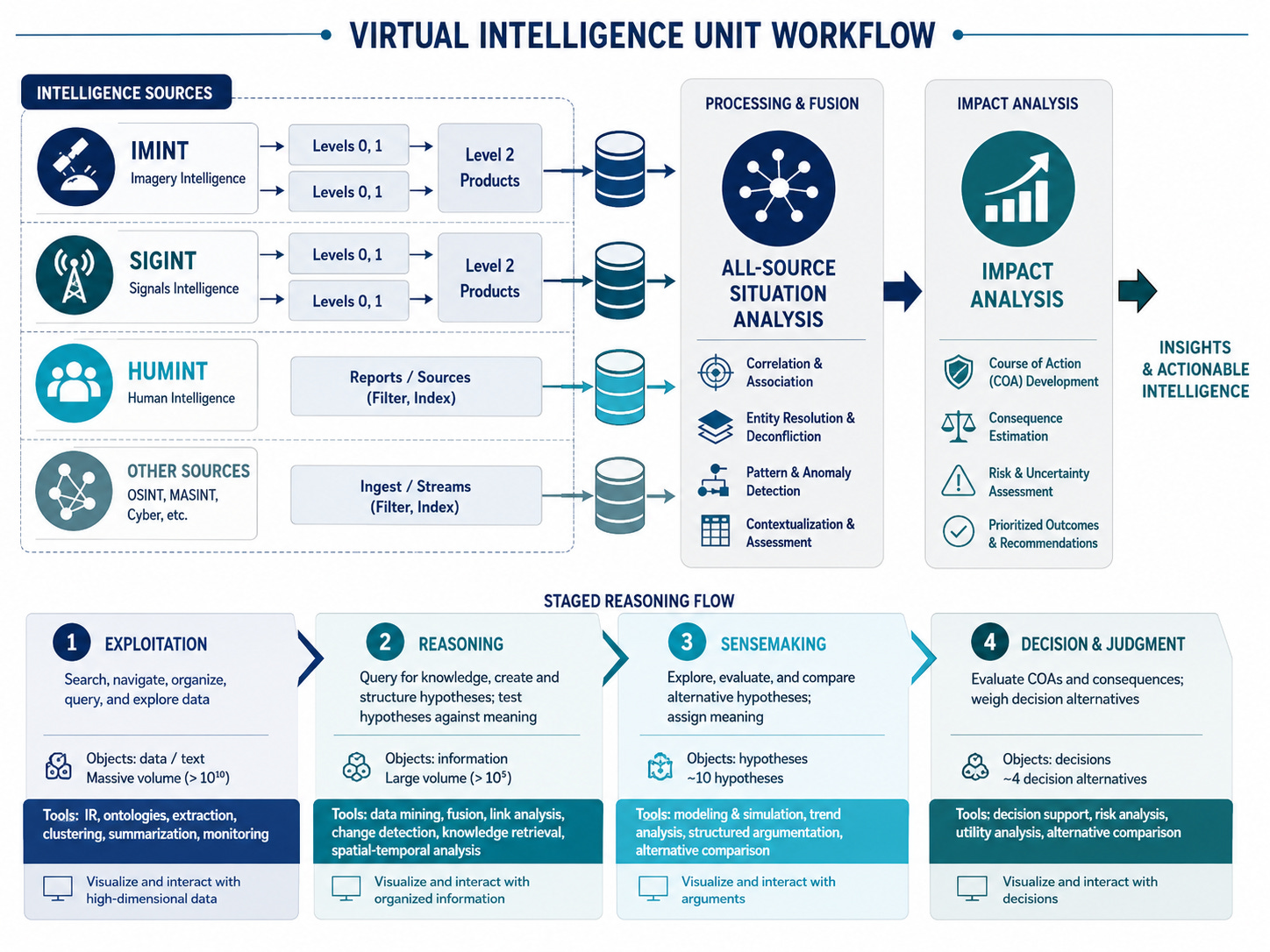
Figure 7. Virtual Intelligence Unit workflow.
A model showing how IMINT, SIGINT, HUMINT, and other sources move through processing, all-source situation analysis, and impact analysis within a virtual intelligence architecture.
Human-machine cooperation in virtual analysis
CIP-V2 does not replace human analysts. It creates an architecture where human and virtual analysts cooperate.
A virtual analyst can use information retrieval tools, analytic tools, hypothesis and decision tools, collaboration tools, and deep learning and reasoning systems. These virtual analysts operate over retrieved data, hypotheses, and intelligence results.
The human analyst remains responsible for judgement, validation, operational context, ethical control, and final interpretation.
This cooperative model is essential because intelligence analysis is both computational and cognitive.
Machines can help process large volumes of multimedia and multilingual sources. They can retrieve, structure, compare, and test. But human analysts bring contextual judgement, professional responsibility, and interpretive depth.
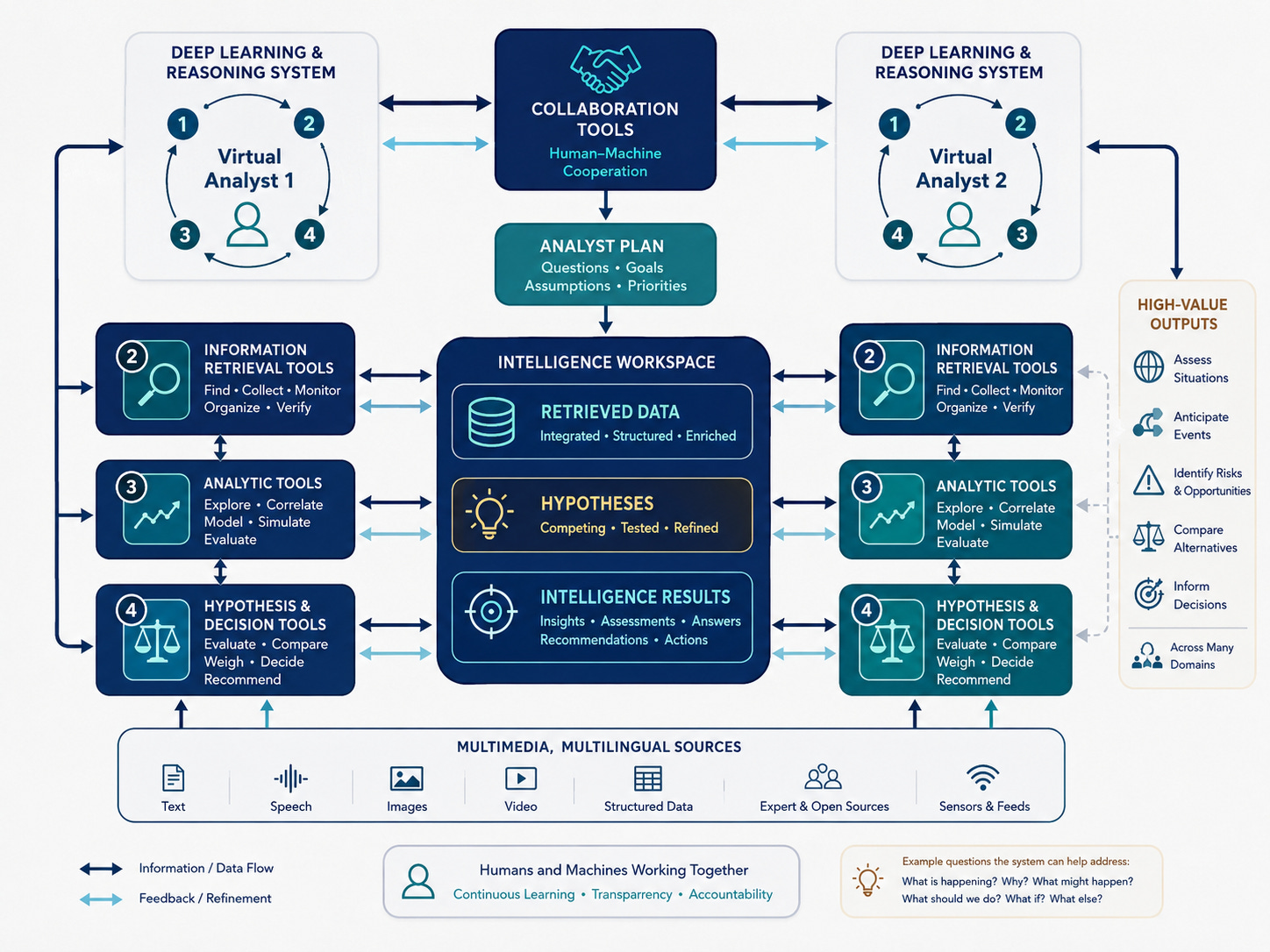
Figure 8. Human-machine cooperation model for virtual intelligence analysis.
A model of virtual analysts interacting with retrieved data, analytic tools, hypothesis tools, decision tools, collaboration tools, and deep learning and reasoning systems.
Evidence, hypotheses, and argument construction
A real intelligence system must not merely generate conclusions. It must justify them.
CIP-V2 therefore incorporates models for hypothesis generation, evidence marshalling, argument construction, hypothesis testing, competing hypotheses, and case management.
The intelligence case repository is not simply a storage space. It is a reasoning environment in which evidence and hypotheses interact.
The system must support:
Evidence searching for hypotheses
Hypotheses searching for evidence
Hypotheses suggested by ontology structure
Evidence marshalling
Argument construction
Hypothesis testing
Competing hypotheses
Analysis case management
Detection of missing evidence
Detection of conflicting evidence
Argument scoring
Belief networks
Surprise hypothesis investigation
New hypothesis generation
Agent-based modelling
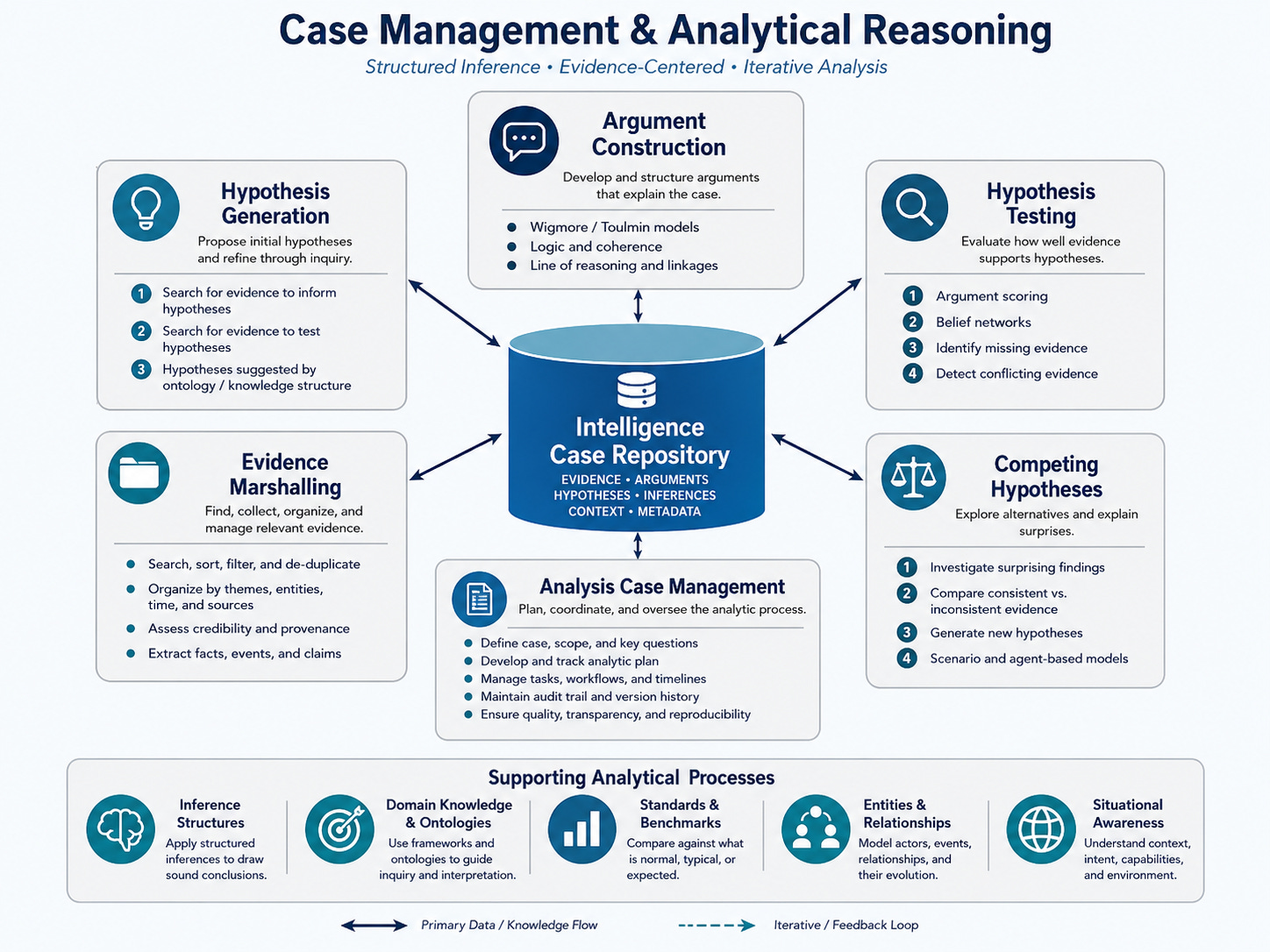
Figure 9. Intelligence case repository for hypothesis generation, evidence marshalling, and competing hypotheses.
A model showing how intelligence cases can be structured around evidence, hypotheses, arguments, testing, competing hypotheses, and analytical case management.
Argumentative reasoning in intelligence analysis
Argumentative reasoning is one of the foundations of evidence-based intelligence.
A hypothesis is a potential conclusion about what happened in the world. It can be supported by arguments for and challenged by arguments against.
Some arguments are supported by explicit evidence. Others may indicate the absence of evidence. Some evidence supports an argument directly, while other evidence changes the qualitative confidence assigned to a link.
This matters because intelligence conclusions should not appear as unsupported assertions.
They must be accompanied by evidence, argument structure, confidence levels, and explicit uncertainty.
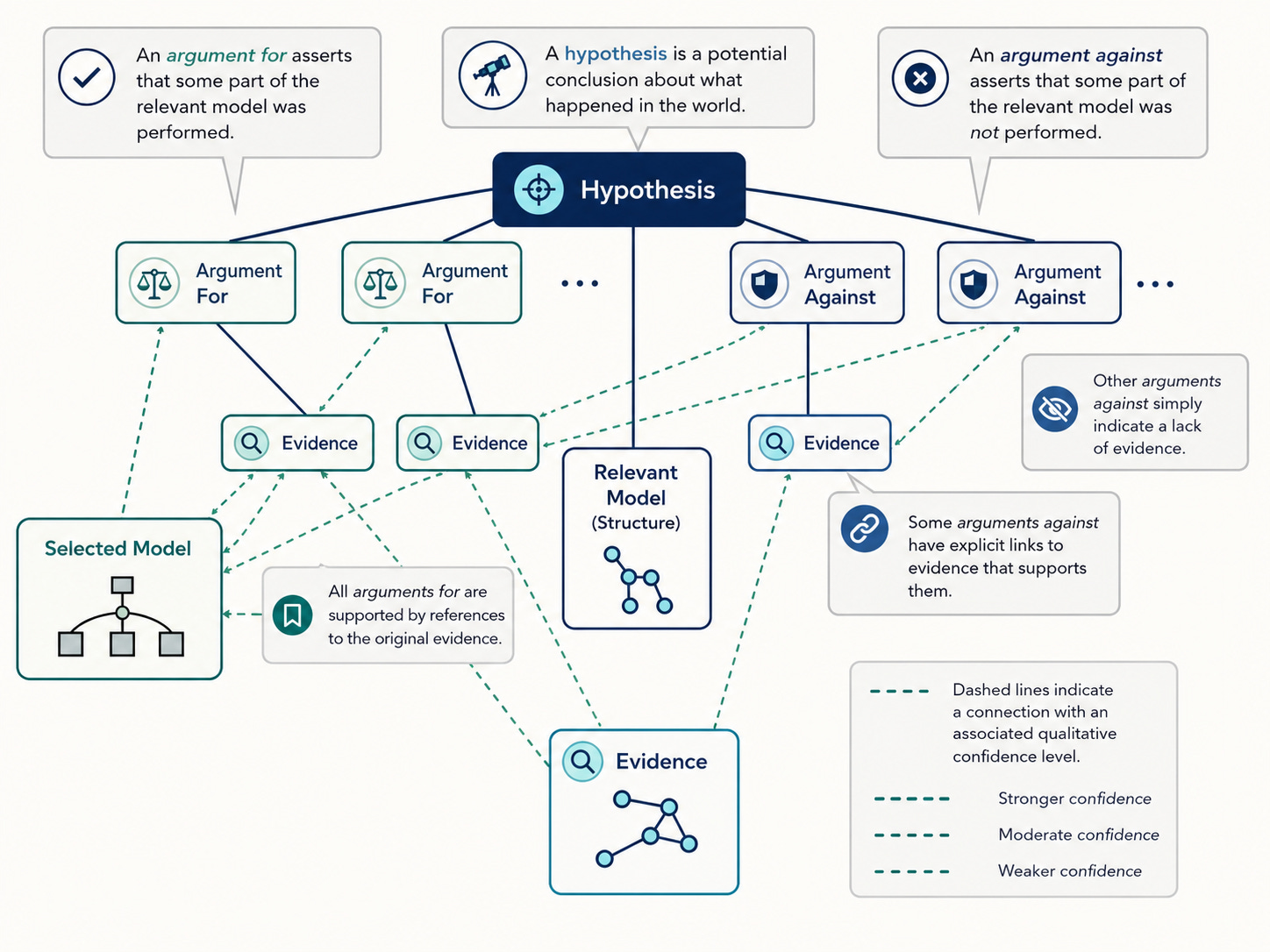
Figure 10. Application of argumentative reasoning in intelligence analysis.
A model showing how hypotheses are supported or challenged by arguments, how evidence links to those arguments, and how qualitative confidence can be represented.
Operational reasoning stages
The intelligence analysis process can be understood through four broad stages.
1. Exploitation
This stage involves searching, navigating, organizing, querying, and exploring data.
Typical tools include:
Information retrieval
Ontology creation
Extraction of content, concepts, and relationships
Content translation
Data and text clustering
Summarization, abstraction, and categorization
Filtering and monitoring database or web changes
Visualization of high-dimensional data
2. Reasoning
This stage involves querying for knowledge, creating and structuring hypothesis arguments, and testing hypotheses against meaning.
Typical tools include:
Data and text mining
Pattern discovery
Data and text fusion
Pattern detection
Content tracking
Change detection
Link analysis
Problem-solving knowledge retrieval
Temporal-spatial mapping and analysis
Visualization of organized information
3. Sensemaking
This stage involves exploring, evaluating, and comparing alternative hypotheses, and assigning meaning.
Typical tools include:
Modelling and simulation
Immersion and exploration
Trend and forecast analysis
Structured argumentation
Alternative hypothesis comparison
Creativity support
Visualization and interaction with arguments
4. Decision and judgement
This stage involves evaluating courses of action and consequences, and weighing decision alternatives.
Typical tools include:
Modelling and simulation for course-of-action comparison
Risk analysis
Utility analysis
Alternative decision comparison
Visualization and interaction with decisions
This sequence demonstrates why intelligence analysis is not a single activity. It is a chain of cognitive operations moving from data exploitation to reasoned decision support.
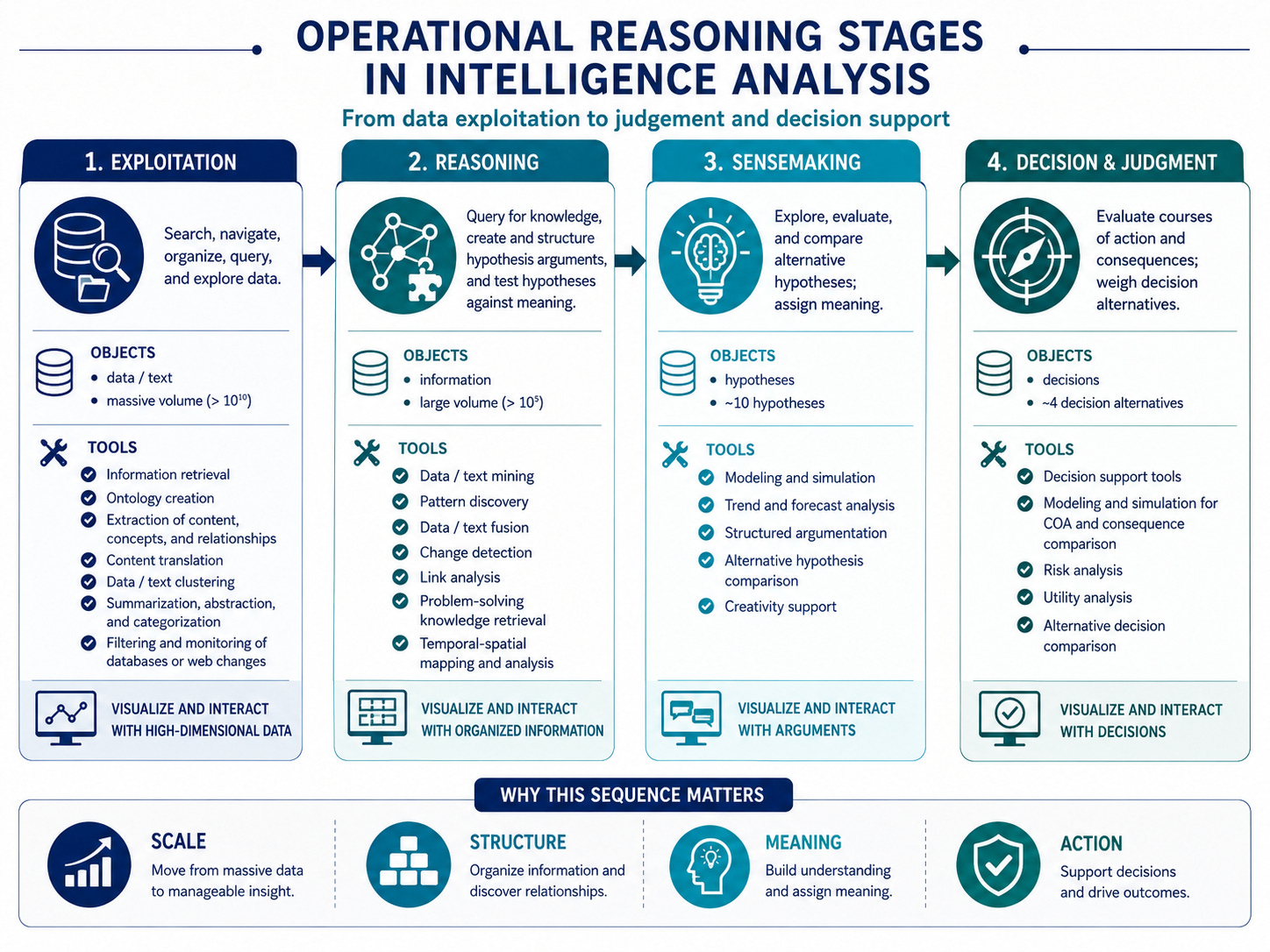
Figure 11. Operational reasoning stages in intelligence analysis.
A methodological matrix showing the transition from exploitation of data to reasoning, sensemaking, and decision judgement, including tools and visualization requirements for each stage.
Automatic analytic reasoning meta-agents
CIP-V2 incorporates a growing set of analytic operational reasoning agents. These are designed to support different reasoning functions in complex intelligence problems.
The taxonomy includes agents for adversary reasoning, strategic center of gravity analysis, actor strategy analysis, profiling, morphological analysis, obvious and non-obvious relationship analysis, social network analysis, problem reformulation, pros and cons analysis, decision trees, event trees, weighted ranking, analysis of competing hypotheses, belief networks, cause-and-effect analysis, expert panels, Bayesian analysis, regression analysis, imagery analysis, content analysis, sound analysis, scenario analysis, threat analysis, vulnerability analysis, risk analysis, opportunity analysis, critical success factors, deterrence analysis, optimal threat analysis, Nash equilibrium analysis, escalation-ladder analysis, credibility ranking, alternative futures, key-variable system analysis, interview analysis, conflicting forces analysis, technology analysis, business model analysis, and cultural systems analysis.
This taxonomy shows the scale of the reasoning challenge.
Intelligence analysis is not one method.
It is an ecosystem of reasoning techniques.
Possible applications in human behavior intelligence analysis
Complex reasoning modelling for intelligence analysis can support multiple applications related to human behavior and organizational action.
These include:
Development of cognitive threat models and analysis of results from those models
Fusion of intelligence from different disciplines, domains, and experts with support from cognitive modelling and simulation
Integration of complex reasoning modelling with traditional analytic methods
Training analysts to use complex reasoning models as part of their toolset
Understanding which reasoning approaches work best with different intelligence problems
This last point includes:
Comparative case studies
Definitions of modelling approaches
Development of new analytic reasoning strategies
Discovery of previously unknown data or patterns
What-if scenarios
Modelling missing data and uncertainty
Comparative analysis
Anticipating surprise
Development of new patterns and trends
CIP-V2 as a reasoning box for real-time intelligence
The CIP-V2 Reasoning Box is conceived as the basis of an intelligence analysis system capable of supporting complex reasoning operations in real time.
Its purpose is to create and manage large numbers of virtual intelligence analysis agents cooperating continuously to monitor, understand, and support lawful operational decision-making in complex target environments.
This architecture can also be applied beyond military intelligence.
The same principles may support strategies to address:
Epidemics
Diseases
Environmental problems
Critical infrastructure risks
Criminal networks
Corporate threats
Hybrid influence campaigns
Complex emergency scenarios
The common denominator is not the domain itself.
The common denominator is the need for real-time complex reasoning under uncertainty.
What CIP-V2 enables
CIP-V2 supports intelligent systems capable of detecting, inferring, and proposing lines of investigation and plausible analysis based on available evidence.
Its capabilities include:
Detecting and proposing plausible lines of investigation
Inferring hidden or non-obvious relationships between entities
Justifying relationships through evidence and reasoning chains
Inferring behaviors and estimating possible evolution
Determining intentions, emotional states, modus operandi, and action capabilities
Treating image, sound, and ontology patterns intelligently
Classifying patterns for efficient search
Generating and testing hypotheses continuously
Supporting structured and evidence-based intelligence reports
Coordinating virtual analytic agents
Supporting analyst training in structured reasoning processes
This is why CIP-V2 is not merely a platform.
It is an architecture for adaptive intelligence production.
Toward adaptive, evolving, and autonomous intelligence analysis networks
The multi-domain battlefield in hybrid and irregular warfare is not a stable analytical object. It is a changing system of systems.
Actors learn.
Threats mutate.
Operations overlap.
Effects propagate.
Information becomes contaminated.
Signals appear and disappear.
Opportunities emerge and collapse.
Targets change their posture.
Civilian, military, political, cyber, financial, and informational domains interact continuously.
Managing this complexity requires intelligence systems with advanced reasoning capabilities.
CIP-V2 is designed to support real-time adaptive intelligence analysis networks capable of evolving with the situation.
These networks must be:
Adaptive, because the environment changes
Evolving, because intelligence doctrine and models must improve
Semi-autonomous, because some processes must operate continuously and at machine speed
Human-supervised, because judgement, authority, and responsibility remain human
Evidence-based, because conclusions must be justified
Multi-domain, because threats do not respect institutional boundaries
Explainable, because intelligence must support accountable decisions
This is the foundation of intelligence superiority in future operations.
Final note
An important part of our experimental design work is to identify the meta-structures of automatic complex reasoning inferences, validate their scientific solidity, and encode them so they can be exploited by artificial intelligence systems.
These meta-agents and inference agents can also be used to train national security intelligence analysts and other professionals in structured reasoning processes. The objective is to help them internalize better ways of understanding situations and proposing plausible lines of investigation and analysis quickly, coherently, and rigorously.
The future of intelligence analysis will not be defined by the largest database or the most sophisticated dashboard. It will be defined by the best reasoning architecture.
CIP-V2 is our contribution to that future.
A BioNeuroCognitive complex reasoning architecture for real-time adaptive, evolving, and semi-autonomous intelligence analysis networks in multi-domain warfare.
Not more data.
Better reasoning.
Not more isolated tools.
Integrated intelligence production.
Not faster simplification.
Deeper understanding of real-world complexity.