

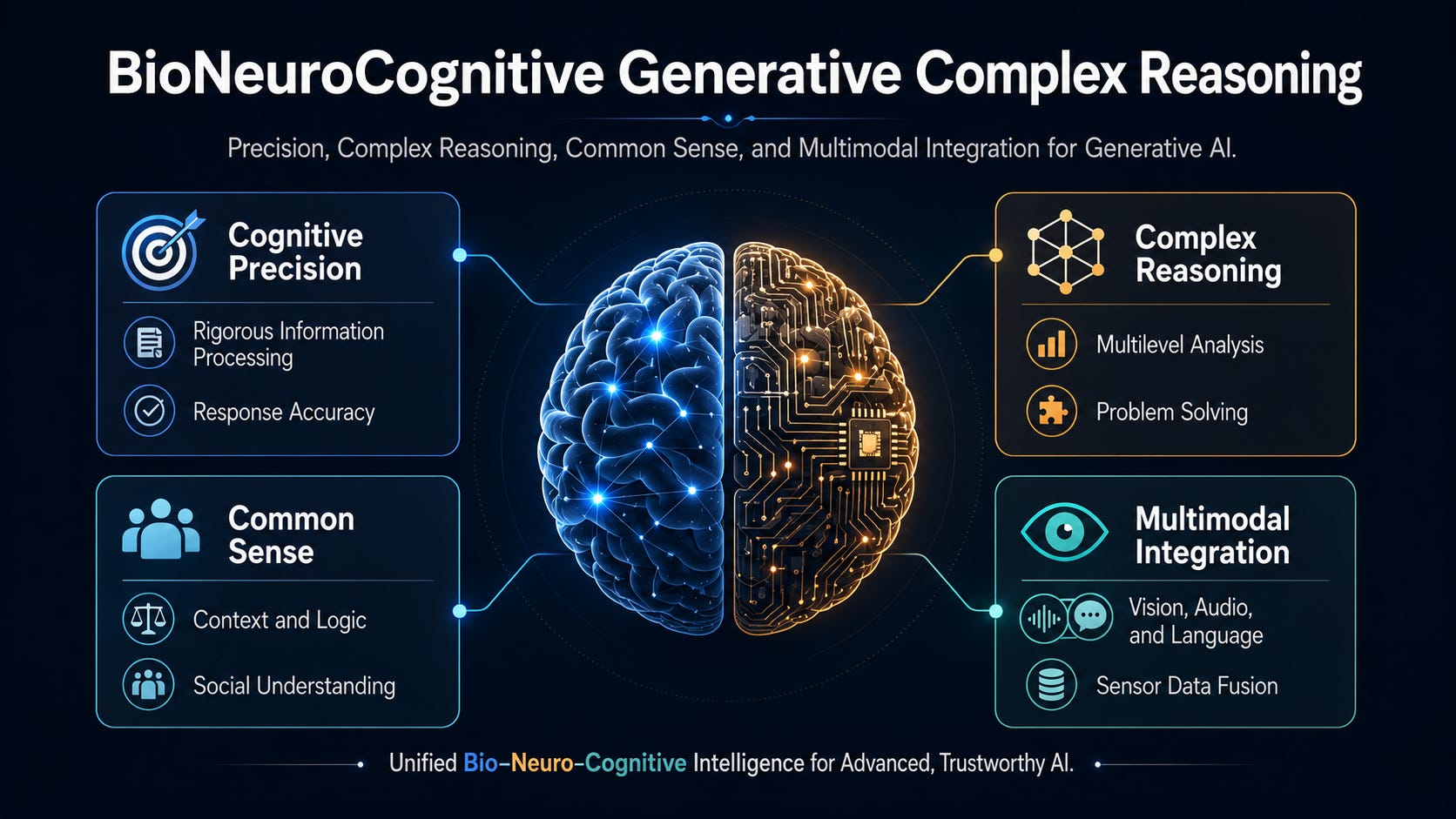
Figure 1 — BioNeuroCognitive multimodal generative reasoning.
Precision, complex reasoning, common sense, and multimodal integration as foundations for a more reliable generation of intelligence.
This is the first post in a short series dedicated to one of our main R&D lines:
BioNeuroCognitive Generative Complex Reasoning.
The objective is clear:
To move beyond generative fluency.
To move beyond attractive answers.
To move beyond systems that sound intelligent but cannot always justify, verify, constrain, or explain what they produce.
Large Language Models have changed the interface of artificial intelligence.
They allow humans to interact with machines through natural language.
They write, summarize, translate, classify, explain, and generate with unprecedented fluency.
That is important.
But fluency is not reasoning.
A system can produce a convincing answer and still be wrong.
It can generate a coherent explanation and still violate the constraints of the problem.
It can appear confident and still lack grounding.
It can answer quickly and still fail logically.
This is the central problem.
Generative AI is powerful.
But without complex reasoning, cognitive precision, common sense, and multimodal grounding, it remains structurally incomplete.
1. The limits of language fluency
Since the emergence of large language models, they have often been treated as the de facto solution for many artificial intelligence problems.
This is understandable.
LLMs are extremely effective at language interaction:
They understand prompts.
They generate fluent responses.
They can adapt tone, format, style, and structure.
They can process large quantities of information and transform them into usable outputs.
But there is a class of real-world problems where fluency is not enough:
Constraint satisfaction.
Optimization.
Complex inference.
Logical consistency.
Justification.
Explanation.
Reliability weighting.
Grounded knowledge generation.
Contradiction detection.
Operational decision support.
These problems require more than statistical continuation.
They require reasoning.
They require the capacity to handle constraints, dependencies, goals, uncertainty, alternatives, causal relations, exceptions, priorities, and consequences.
This is where many LLM-based systems still show structural weaknesses. Research on hallucination describes the problem as fluent and coherent outputs that can nevertheless be factually incorrect or logically inconsistent.
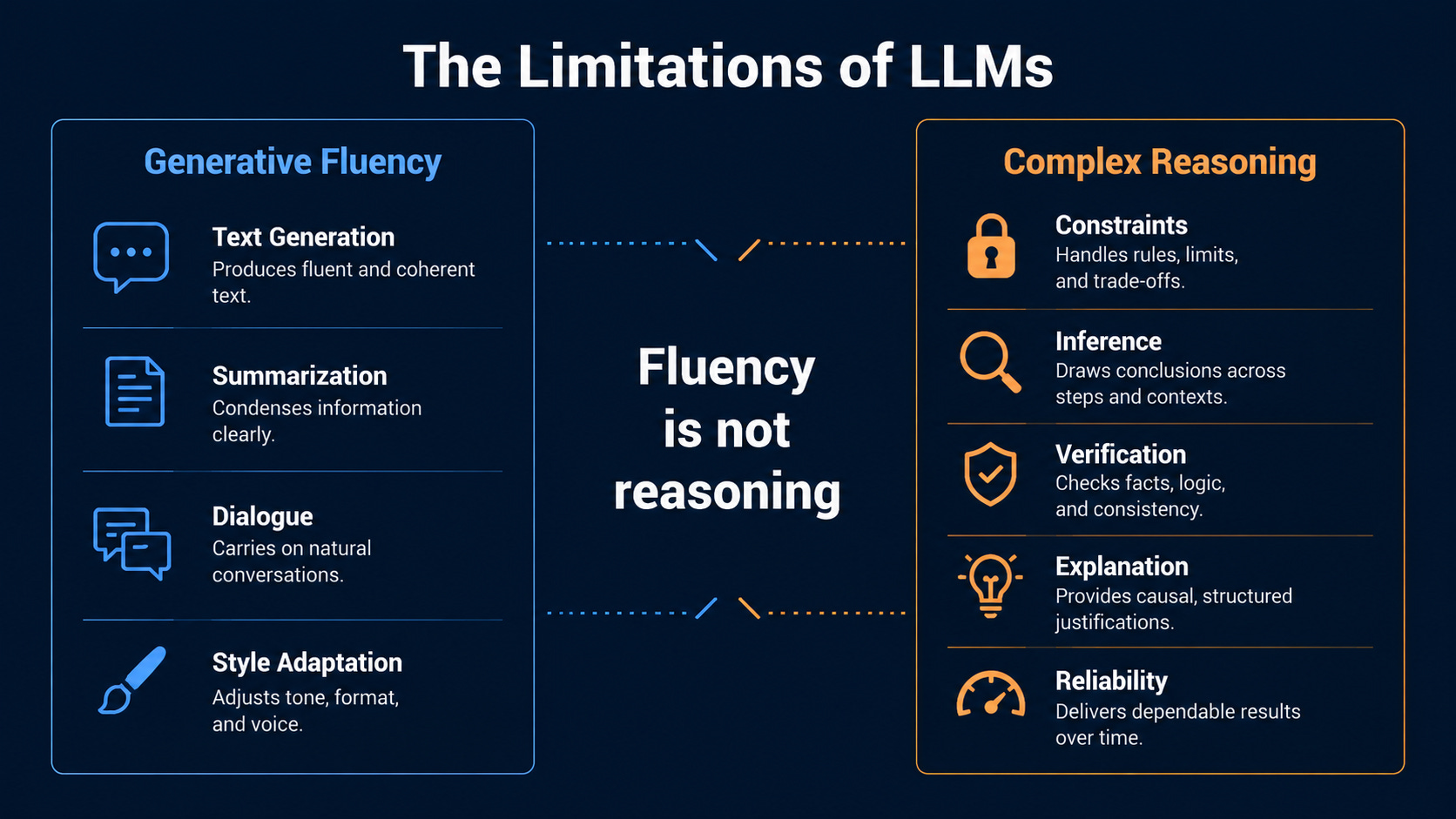
Figure 2 — Fluency is not reasoning.
LLMs are strong in linguistic generation, but real-world intelligence problems require constraint handling, inference, explanation, and reliability control.
2. The hallucination problem is not accidental
The hallucination problem is often presented as a defect.
But it is more useful to understand it as a symptom.
A symptom of systems that generate plausible language without always having a sufficiently robust mechanism for truth, grounding, verification, or reasoning control.
The model may generate a statement because it is linguistically probable.
But probability is not validity.
Coherence is not truth.
Confidence is not evidence.
Explanation is not justification.
This matters in low-risk contexts.
It becomes critical in high-risk contexts.
A hallucinated answer in creative writing may be acceptable.
A hallucinated answer in intelligence, strategy, operations, compliance, security, defense, medicine, engineering, or finance is not acceptable.
In those domains, the central question is not:
Can the system answer?
The question is: Can the system reason, justify, verify, and explain the answer under constraints?
Sam Altman made this point directly in the Hard Fork podcast when he said that current systems are weak at reasoning, and that many valuable human tasks require complex reasoning.
That observation is decisive.
The future of generative AI will not be defined only by better language models.
It will be defined by better reasoning architectures.
3. From Generative AI to Generative Complex Reasoning
Generative AI produces outputs.
Generative Complex Reasoning produces reasoned outputs.
The difference is not cosmetic.
A generative system may produce a recommendation.
A reasoning system evaluates whether the recommendation satisfies the objective, respects constraints, avoids contradiction, remains grounded in evidence, and adapts to the evolving situation.
A generative system may produce a plan.
A reasoning system tests the plan against time, resources, risks, adversarial responses, operational dependencies, and alternative scenarios.
A generative system may produce an explanation.
A reasoning system determines whether the explanation is valid, traceable, non-contradictory, and aligned with the available knowledge.
This is the move we are exploring:
from generation as language production
to generation as reasoning construction.
Not just text. Structured cognition.
Not just answers. Inference paths.
Not just interaction. Operational intelligence.
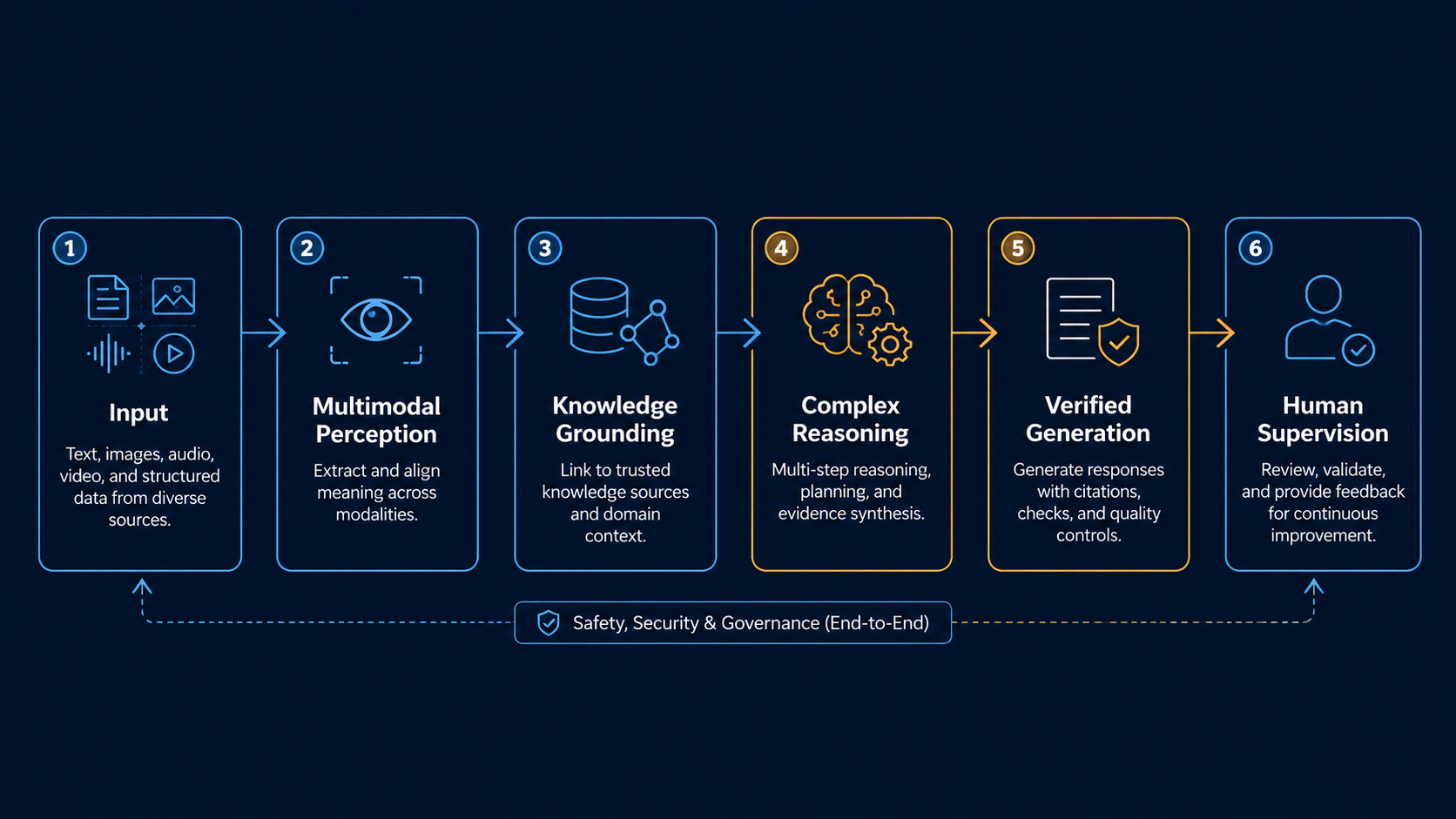
Figure 3 — From generation to reasoned generation.
BioNeuroCognitive Generative Complex Reasoning connects multimodal perception, knowledge grounding, reasoning engines, verified generation, and human supervision.
4. BioNeuroCognitive foundations
Our approach is based on the combined use of Generative AI + BioNeuroCognitive reasoning.
The purpose is not to reject LLMs.
The purpose is to complete them.
LLMs provide linguistic interaction, semantic flexibility, and generative capacity.
BioNeuroCognitive reasoning adds structure, precision, grounding, inference, contextual adaptation, and cognitive control.
The image at the beginning of this post summarizes four foundational dimensions.
First, cognitive precision.
The system must process information rigorously.
It must reduce ambiguity.
It must improve the accuracy of its responses.
It must use neuro-inspired models not merely to generate, but to discriminate, evaluate, and correct.
Second, complex reasoning.
The system must perform multilevel analysis.
It must solve problems under constraints.
It must evaluate, synthesize, compare, and infer.
It must reason across incomplete, uncertain, or evolving information.
Third, common sense.
The system must not only produce formally valid outputs.
It must understand context, social meaning, practical coherence, and logical plausibility.
Fourth, multimodal integration.
The system must integrate vision, audio, language, signals, documents, sensors, and other data sources into a holistic interpretation.
This is where generative AI becomes more than an interface.
It becomes part of an intelligent reasoning ecosystem.
5. Why common sense matters
Common sense is often underestimated in artificial intelligence.
But in operational environments, common sense is not trivial.
It is the ability to detect that something does not fit.
That a plan is technically possible but operationally absurd.
That a response is grammatically correct but strategically wrong.
That a generated explanation is coherent but unsupported.
That a solution satisfies one constraint while violating another.
Common sense is not opposed to formal reasoning. It complements it.
Formal reasoning helps ensure consistency.
Probabilistic reasoning helps manage uncertainty.
Causal reasoning helps explain consequences.
Strategic reasoning helps anticipate reactions.
Common-sense reasoning helps preserve practical coherence.
A reliable generative reasoning system must combine these modes.
Because real-world intelligence problems are never purely linguistic.
They are:
Contextual.
Dynamic.
Ambiguous.
Multimodal.
Adversarial.
Constraint-heavy.
Time-sensitive.
And often, the cost of a wrong answer is not rhetorical.
It is operational.
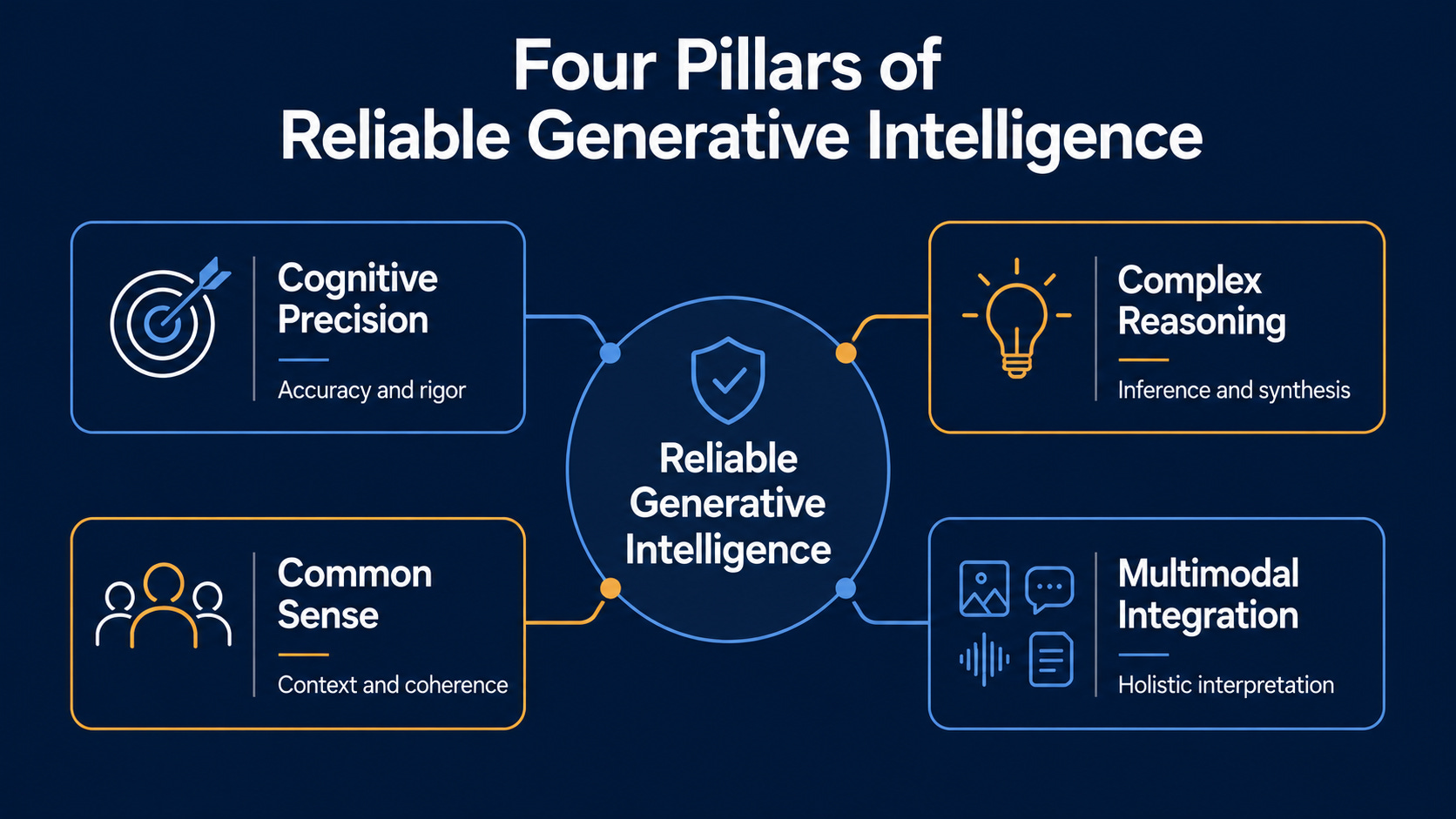
Figure 4 — Four pillars of reliable generative intelligence.
Cognitive precision, complex reasoning, common sense, and multimodal integration must operate together if generative systems are to become reliable in high-value domains.
6. The operational objective
At Binomial Consulting & Design S.L., WarMind Labs, and together with our partners at 1MillionBot, we are working on this direction:
BioNeuroCognitive Generative Complex Reasoning for adaptive, evolutionary, and autonomous intelligence, strategy, and multi-domain operations systems.
The objective is not to build another chatbot.
The objective is to design reasoning architectures capable of supporting mission-critical cognition:
Systems that can process multimodal information.
Systems that can reason under constraints.
Systems that can justify their outputs.
Systems that can explain their reasoning.
Systems that can estimate the reliability of generated knowledge.
Systems that can operate under human supervision.
Systems that can adapt to changing operational conditions.
This is the direction of advanced generative AI.
Not only larger models.
Not only more tokens.
Not only more data.
Better reasoning.
More reliable inference.
More grounded generation.
More explainable intelligence.
7. Beyond the LLM as a monolithic solution
The LLM is not the whole architecture.
It is one component.
A powerful component, but still a component.
The next generation of AI systems will not be monolithic.
They will be hybrid.
They will combine neural, symbolic, probabilistic, causal, cognitive, multimodal, and agentic components.
They will need:
Reasoning engines.
Knowledge structures.
Constraint solvers.
Verification layers.
Memory systems.
Human supervision mechanisms.
Multimodal fusion modules.
Reliability scoring.
Traceability.
This is why the concept of Generative Complex Reasoning is important.
It reframes the problem.
The question is not whether LLMs are useful. They are.
The question is whether LLMs alone are sufficient for complex reasoning tasks. They are not.
A 2024 paper on complex reasoning beyond LLMs makes the same point: current LLMs can interact fluently, but complex reasoning problems require sound inference, optimization, constraint satisfaction, and reliable explanations.
That is precisely the architectural gap we must address.
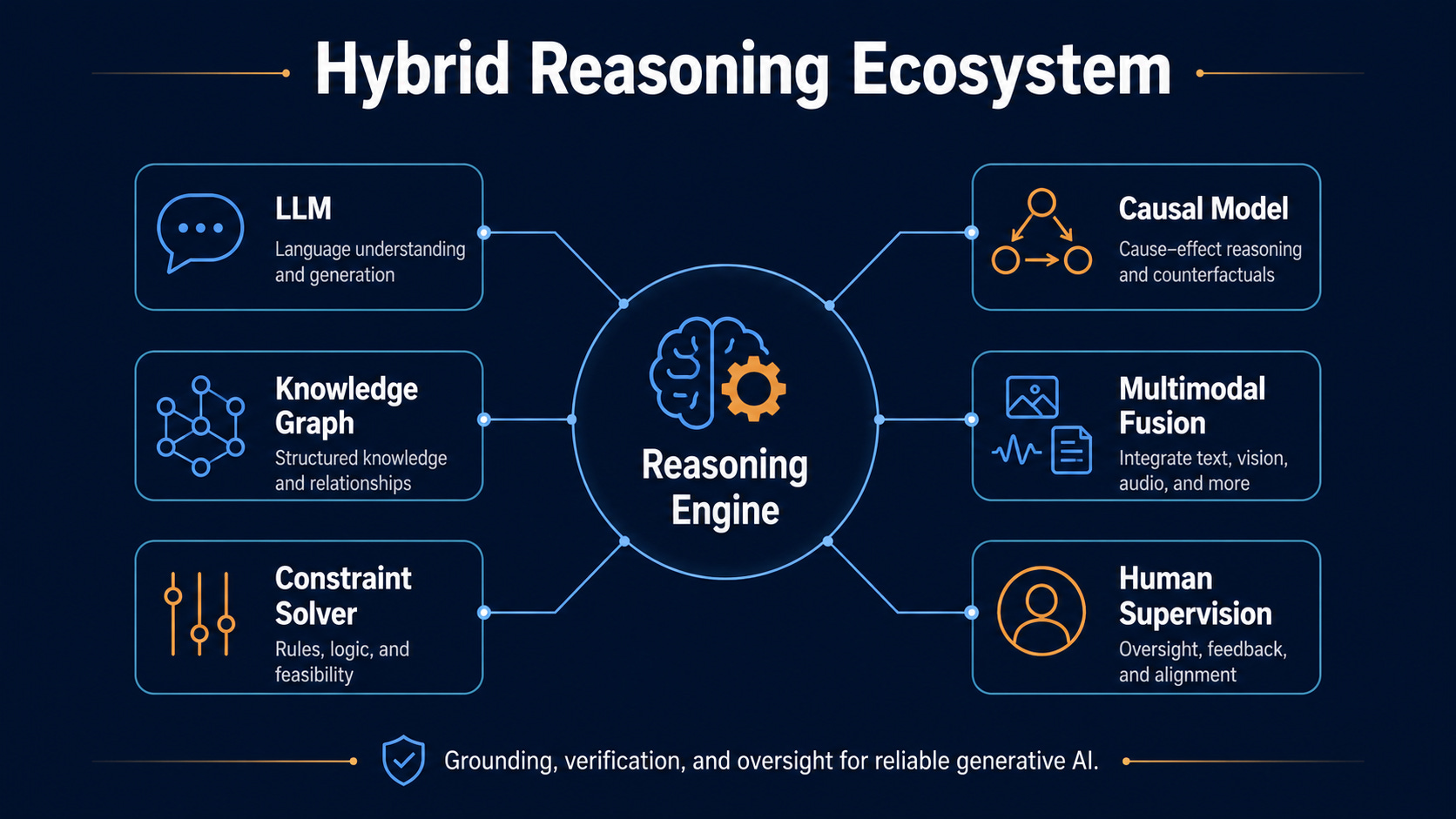
Figure 5 — The hybrid reasoning ecosystem.
The future is not a single model, but an integrated architecture where generative models are combined with explicit reasoning, grounding, verification, and human oversight.
Closing
Generative AI has opened a new interface between humans and machines.
But the next frontier is not interface. It is reasoning.
We need systems that do not merely produce language, but generate reliable knowledge.
Systems that can reason with precision.
Systems that can explain themselves.
Systems that can detect contradiction.
Systems that can handle constraints.
Systems that can integrate multiple modalities.
Systems that can apply common sense.
Systems that can support intelligence, strategy, and operations in real time.
This is the purpose of BioNeuroCognitive Generative Complex Reasoning.
Not replacing LLMs. Completing them.
Not rejecting generation. Grounding it.
Not more fluent answers. More reliable intelligence.
Not artificial intelligence as persuasive text. Artificial intelligence as reasoned cognition.