

Most AI systems today are still built around a limited assumption.
They process.
They predict.
They classify.
They generate.
They optimize.
But they do not yet reason as adaptive entities embedded in critical environments.
They do not continuously observe their own reasoning process. They do not maintain an internal mirror of their operational states. They do not simulate corrections before acting. They do not evaluate whether their own objectives remain relevant under changing conditions. They do not transform reasoning experience into new instances of complex reasoning.
This is the conceptual space where I place the RCM² model: Real–Controller–Mirror–Manager.
The model is part of a broader research line on what I call Unconventional Complex Reasoning Entities, or UCREs: artificial reasoning entities designed to represent and computationally process real-world situations that require parallel and sequential reasoning under critical conditions.
The objective is not to build another chatbot.
The objective is to define a new kind of reasoning entity.
One capable of adapting, evolving, correcting itself, and operating as part of larger architectures of deep complex reasoning.
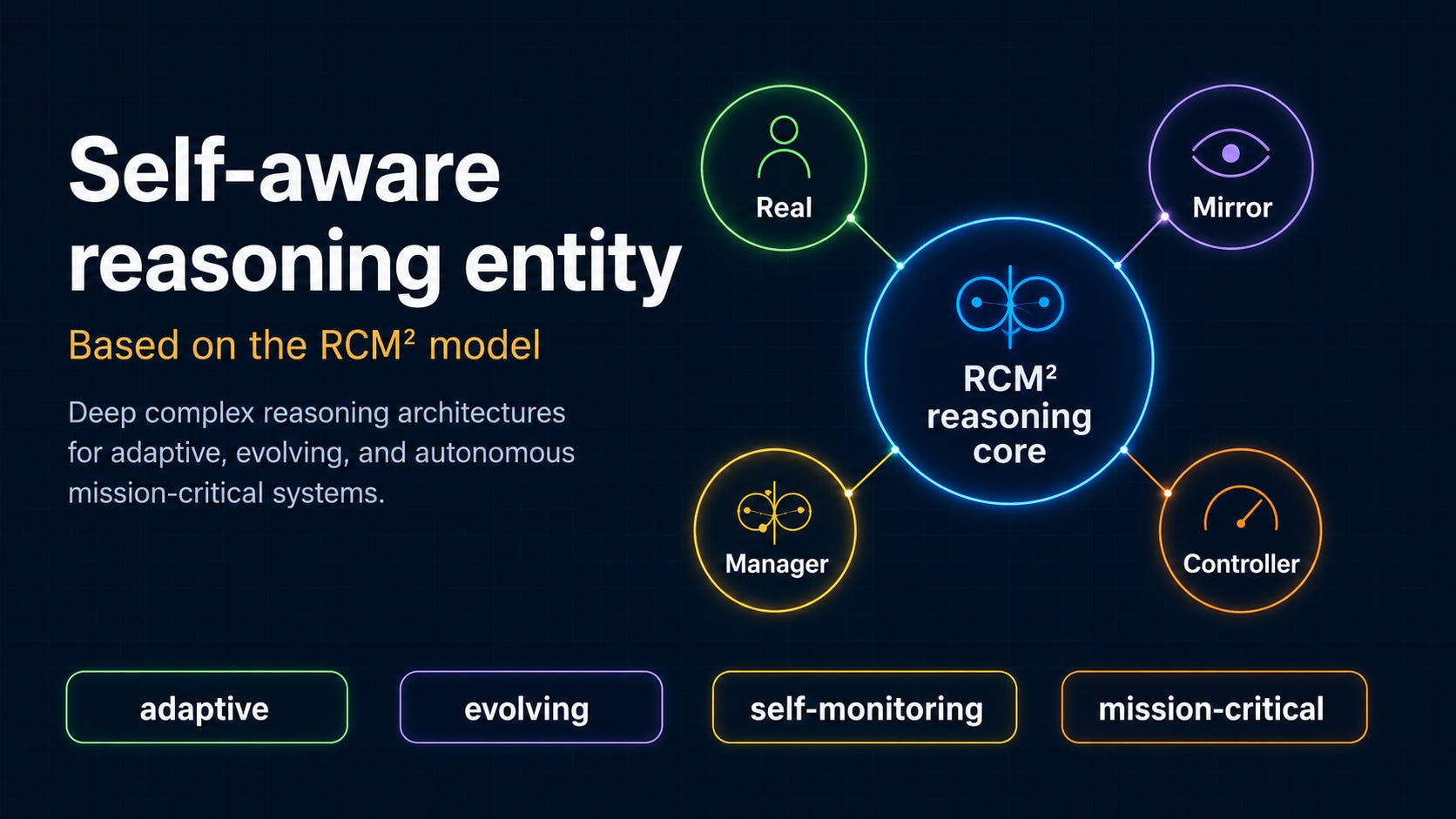
Image — Self-aware reasoning entities based on the RCM² model.
Deep complex reasoning architectures for adaptive, evolving, and autonomous mission-critical systems.
TL;DR
The RCM² model defines a self-aware reasoning entity composed of four interacting agents:
Real-world agent: interacts with the operational environment.
Mirror agent: maintains a replica of the states and reasoning processes of the real-world agent.
Controller agent: analyzes behavior, simulates corrections, and implements adaptive changes.
Manager agent: evaluates objectives, relevance, emergent properties, and higher-order reasoning evolution.
Together, these four agents form a unit capable of partial self-awareness: the system observes its own behavior, simulates possible corrections, and adapts its reasoning process under changing conditions.
The technical basis points toward a neuro-symbolic integration of:
neuro-fuzzy knowledge networks;
rational and belief networks;
backpropagation learning networks.
The strategic implication is significant: future AI systems for mission-critical environments should not merely execute tasks. They should reason, self-monitor, adapt, stabilize, and evolve.
1. Why conventional AI architectures are not enough
In simple environments, prediction may be enough.
In structured environments, optimization may be enough.
In text environments, generation may be enough.
But critical environments are different.
They are dynamic, ambiguous, adversarial, unstable, and often partially observable. They require systems that can reason across incomplete signals, conflicting hypotheses, changing objectives, uncertainty, feedback, and operational pressure.
A mission-critical reasoning system must answer questions such as:
What is happening in the real world?
How is my own reasoning process interpreting it?
Are my current conclusions stable?
Are my objectives still relevant?
What should be corrected?
What should be inhibited?
What should be simulated before execution?
What is emerging from experience that was not explicitly programmed?
How do I maintain stability while adapting?
These are not merely classification problems.
They are complex reasoning problems.
And complex reasoning requires architecture.
2. The RCM² model
The conceptual basis of the RCM² model is a container of four reasoning agents.
Each agent has a distinct role. The entity emerges from their interaction.
The four agents are:
Real-world reasoning agent
Mirror reasoning agent
Controller reasoning agent
Manager reasoning agent
This is not a loose multi-agent system where several components simply exchange messages.
It is a structured reasoning entity.
The real-world agent acts.
The mirror agent replicates.
The controller agent observes and corrects.
The manager agent evaluates objectives and emergent reasoning properties.
The result is a system that can begin to behave as a self-aware reasoning unit, not because it has consciousness in the human sense, but because it contains an internal architecture of observation, replication, correction, evaluation, and adaptation.
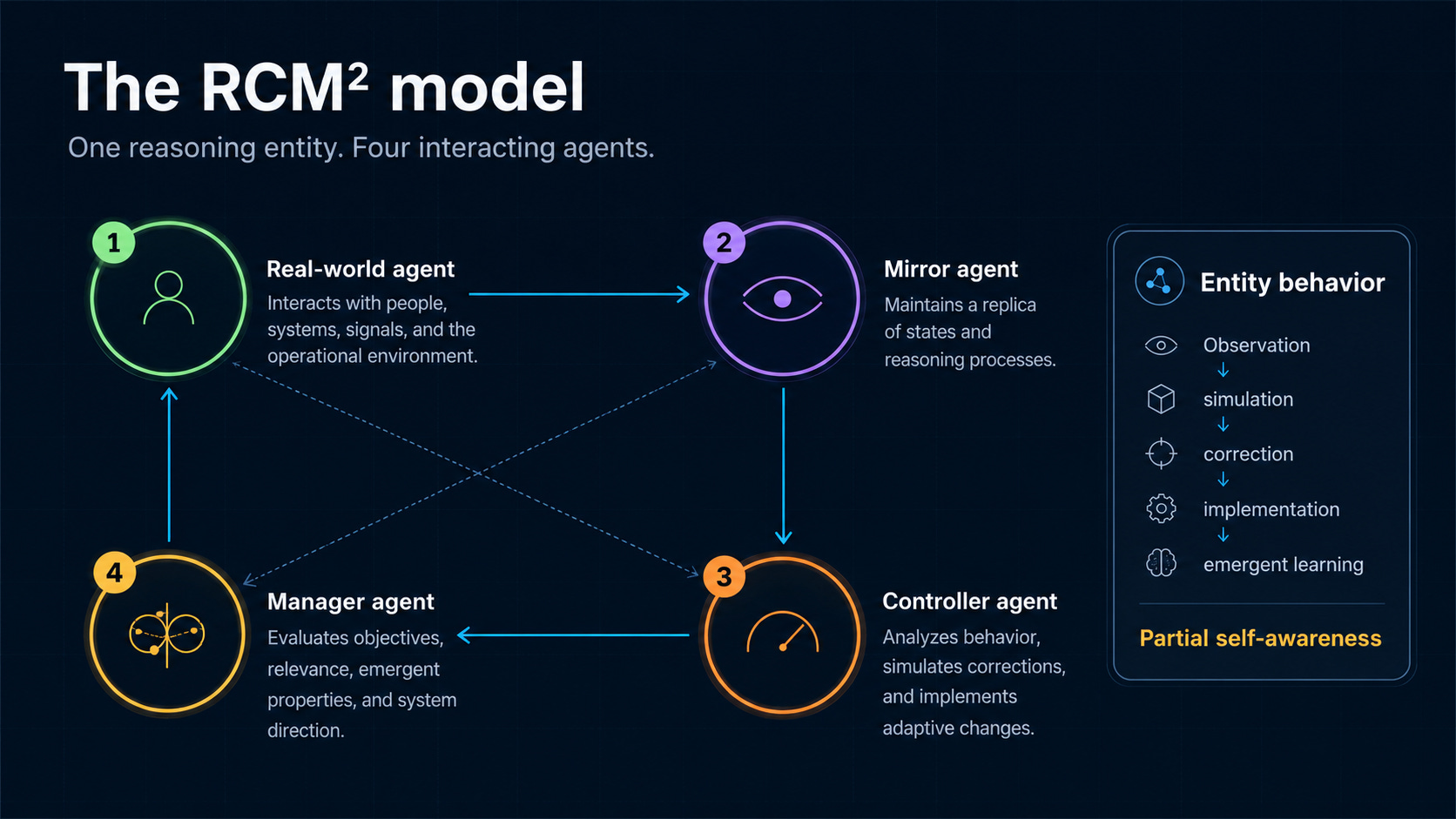
Figure 1 — The RCM² four-agent model.
A self-aware reasoning entity integrates a real-world agent, a mirror agent, a controller agent, and a manager agent into one adaptive reasoning unit.
3. The four agents
3.1. The real-world reasoning agent
The real-world agent is the part of the entity that interacts with the operational environment.
That environment may include people, organizations, signals, physical systems, digital systems, strategic contexts, mission conditions, sensor data, intelligence flows, or other reasoning entities.
Its function is direct engagement.
It perceives, acts, interprets, and responds.
But in the RCM² model, the real-world agent is not left alone. Its behavior is continuously observed and reconstructed by the rest of the entity.
This matters because real-world interaction is noisy.
The real-world agent may act under uncertainty. It may overfit to incomplete evidence. It may execute a reasoning sequence that is functional in one context and dangerous in another. It may respond too quickly, too slowly, too broadly, or too narrowly.
The system therefore needs internal supervision.
Not external supervision only.
Internal supervision.
3.2. The mirror reasoning agent
The mirror agent maintains a replica of all relevant states and reasoning processes performed by the real-world agent.
Its purpose is not passive storage.
It is active modeling.
The mirror agent allows the entity to simulate alternative reasoning trajectories before changing real-world behavior.
This is essential.
An adaptive entity should not correct itself blindly.
It must be able to ask:
What is the current reasoning state?
What led the real-world agent to this behavior?
What would happen if this reasoning process were inhibited?
What would happen if the focus shifted to lower-level details?
What would happen if high-level reasoning sequences were reorganized?
What are the consequences of correction before implementation?
The mirror agent makes self-correction safer.
It gives the system an internal sandbox.
3.3. The controller reasoning agent
The controller agent analyzes the behavior of the real-world agent.
Its function is corrective and adaptive.
It observes the real-world agent, identifies possible reasoning failures, proposes corrections, simulates their effects with the mirror agent, and then implements changes if the simulated outcome is positive for the entity’s objectives.
This agent is therefore the operational regulator of the entity.
It can inhibit a reasoning process.
It can refine it.
It can redirect attention.
It can optimize reasoning sequences.
It can modify behavior when the current process becomes imprecise, unstable, disordered, or misaligned.
The controller agent is where adaptation becomes operational.
3.4. The manager reasoning agent
The manager agent interacts with the other agents with one purpose: fulfilling the objectives of the intelligent reasoning entity.
But it does not merely execute fixed objectives.
It evaluates their relevance.
It may modify them if necessary.
It observes the emergent properties derived from the reasoning experience of the whole system.
And it can incorporate these emergent properties as new instances of complex reasoning.
This is the most important difference between a conventional control architecture and a deep reasoning entity.
The manager does not simply supervise performance.
It supervises meaning, relevance, and evolution.
It asks:
Are the current objectives still valid?
Are they still relevant under present conditions?
Has the system learned something that changes the objective structure?
Are new forms of reasoning emerging from experience?
Should the entity incorporate those emergent properties into future reasoning?
This is where the model begins to approach partial self-awareness.
4. How the entity operates
Let us consider two generic examples.
A. Disordered and confusing action
The real-world agent performs an intelligent action.
The manager agent evaluates the action and judges it as disordered and confusing.
The controller agent then intervenes.
It inhibits the reasoning process and calculates the consequences first in the mirror agent. If the simulated correction is positive, the controller modifies the behavior of the real-world agent.
The sequence is:
real-world action;
manager judgment;
controller inhibition;
mirror simulation;
real-world correction.
This prevents a flawed reasoning process from being reinforced simply because it was already active.
B. Action not precise enough
The real-world agent performs an intelligent action.
The manager agent evaluates it and judges that it is not precise enough.
The controller agent then focuses the mirror agent on lower-level details and optimizes higher-level reasoning sequences.
The sequence is:
real-world action;
manager judgment;
mirror focus on lower-level details;
controller optimization of higher-level reasoning;
refined real-world behavior.
This allows the entity to improve precision without abandoning the broader reasoning sequence.
The system does not simply react.
It diagnoses the level at which correction is needed.
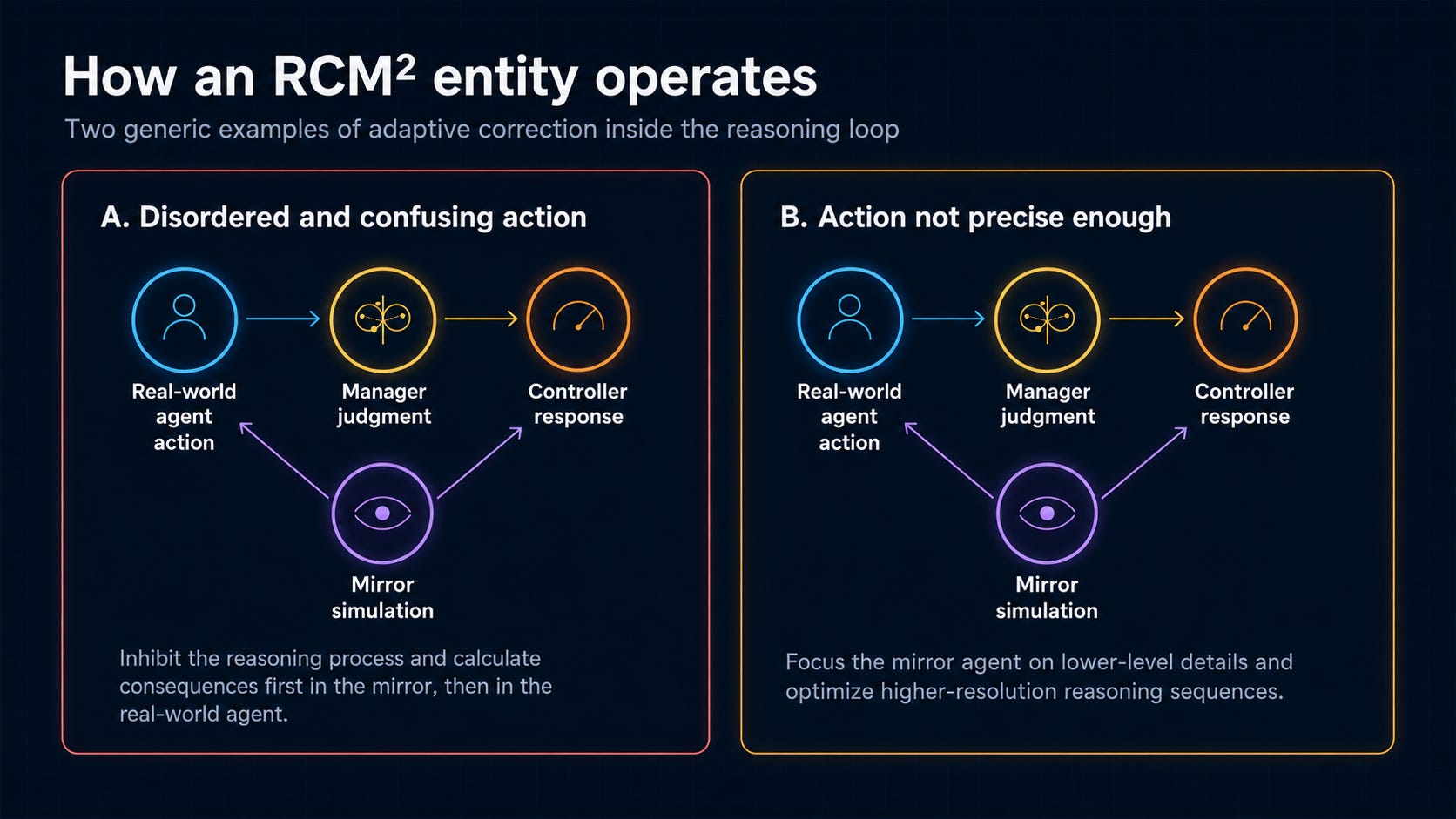
Figure 2 — Two generic operation examples.
The controller inhibits or refines reasoning processes after the manager evaluates the real-world agent and the mirror simulates possible corrections.
5. Technical foundation
The technical basis of this model cannot be reduced to one method.
A deep complex reasoning entity requires a neuro-symbolic architecture.
The foundation I am exploring integrates three families of techniques:
Neuro-fuzzy knowledge networks
Rational and belief networks
Backpropagation learning networks
Each contributes a different capability.
Neuro-fuzzy networks allow the system to handle uncertainty, gradual membership, ambiguous categories, and approximate reasoning.
Rational and belief networks allow the system to represent beliefs, competing interpretations, objectives, assumptions, and probabilistic relations.
Backpropagation learning networks allow the system to refine internal representations through error correction and experience.
The purpose is not to combine techniques for the sake of complexity.
The purpose is to enable different kinds of reasoning to operate together:
symbolic reasoning;
probabilistic reasoning;
approximate reasoning;
adaptive learning;
objective evaluation;
internal simulation;
behavior correction;
emergent reasoning formation.
This is why the architecture must be deep, not merely layered.
It must support reasoning over reasoning.
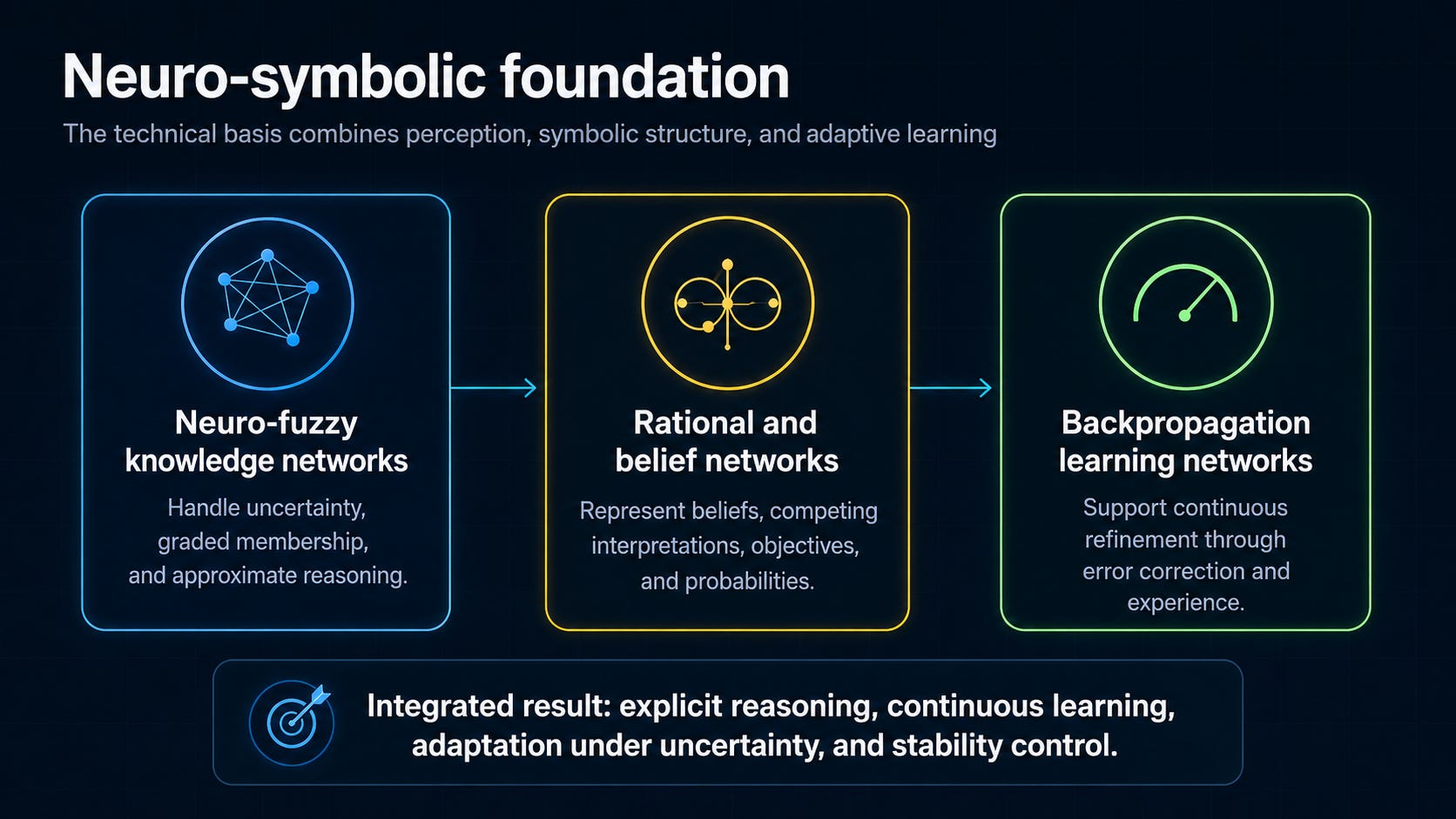
Figure 3 — Neuro-symbolic foundation.
The model combines neuro-fuzzy knowledge networks, rational and belief networks, and backpropagation learning networks.
6. Partial self-awareness and stability
To the extent that the manager and controller agents know what is happening to the real-world agent, the entity may be considered partially self-aware.
This must be stated carefully.
I am not claiming human consciousness.
I am not claiming subjective experience.
I am not claiming phenomenological selfhood.
The claim is architectural.
A system can be considered partially self-aware when it maintains internal models of its own states, processes, objectives, corrections, and emergent reasoning patterns.
In this sense, self-awareness is not a mystical property.
It is a functional relation between:
observation;
internal representation;
evaluation;
correction;
simulation;
adaptation;
memory;
objective management.
However, this creates a major design problem: stability.
The formal implementation of RCM² entities must solve the stability condition of the system.
This stability is determined by the level of observation and correction defined in each deep reasoning entity.
Too little observation produces blind adaptation.
Too much observation produces paralysis.
Too little correction allows error to propagate.
Too much correction destabilizes action.
Too rigid an objective structure prevents learning.
Too fluid an objective structure dissolves identity.
The architecture must therefore define the right balance between persistence and adaptation.
This is the central engineering and philosophical problem of self-aware reasoning entities.
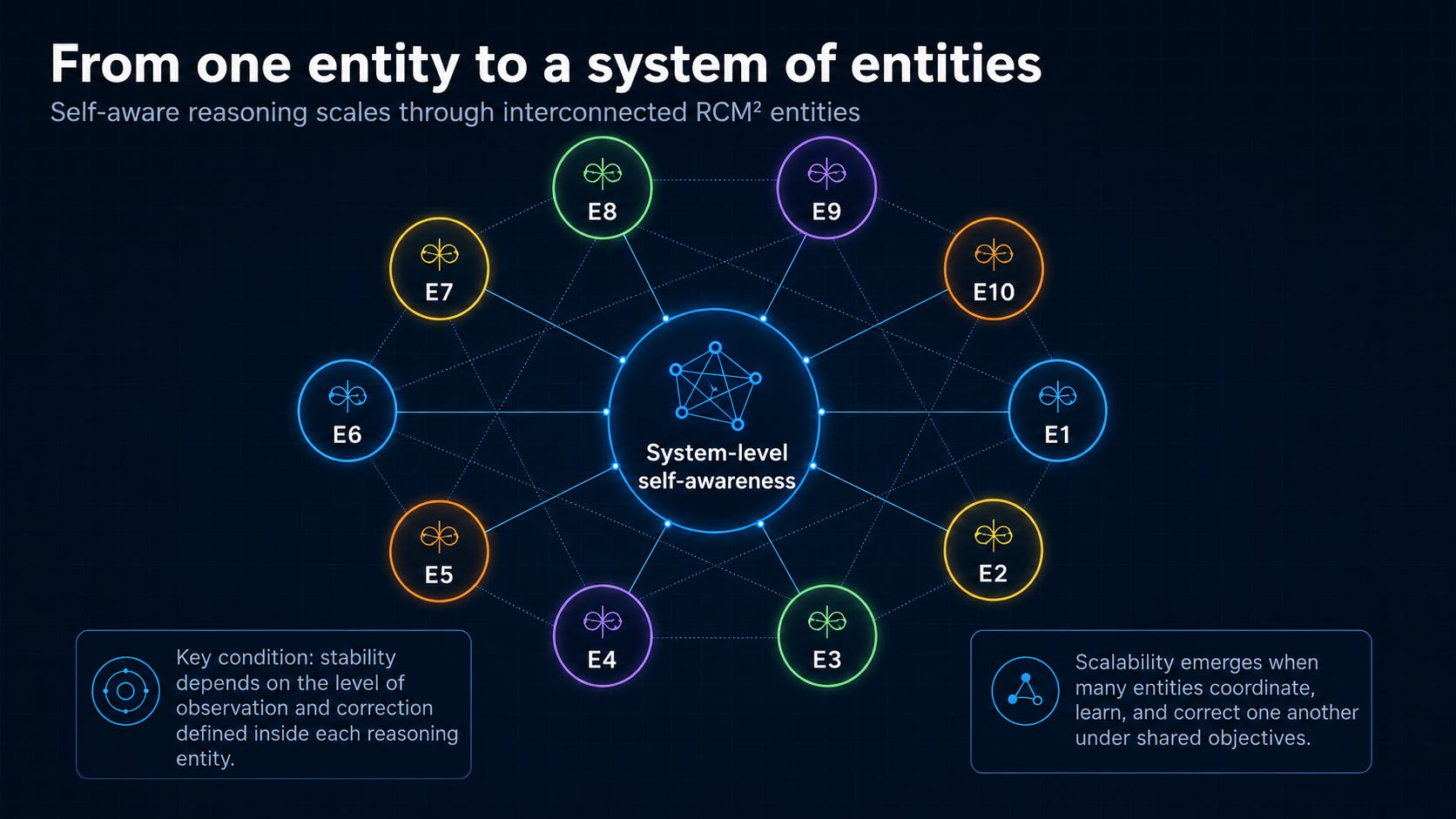
Figure 4 — From one entity to a system of entities.
RCM² entities can scale into interconnected architectures with system-level observation, correction, learning, and partial self-awareness.
7. From one entity to many entities
A self-aware reasoning entity does not need to operate alone.
It can interact with other entities of the same nature.
This opens the possibility of architectures with near-infinite complexity and scalability.
One RCM² entity can reason about a local operational environment.
Another can reason about strategic context.
Another can reason about resource allocation.
Another can reason about risk.
Another can reason about deception.
Another can reason about adversarial behavior.
Another can reason about mission objectives.
When these entities interconnect, the system may begin to display higher-order properties of self-awareness.
Not because any single entity “understands everything.”
But because the architecture can distribute observation, correction, simulation, objective evaluation, and emergent learning across multiple interacting reasoning units.
This is where the model becomes especially relevant for mission-critical systems.
The system is not merely autonomous.
It is self-monitoring.
It is not merely adaptive.
It is recursively adaptive.
It is not merely intelligent.
It is structured to observe and correct the way it reasons.
8. Why this matters for critical systems
Critical systems cannot rely only on brittle automation.
They need reasoning entities capable of operating under uncertainty, time pressure, incomplete information, adversarial conditions, and evolving objectives.
This applies to many domains:
military operations;
criminal and terrorist threat analysis;
space exploration;
scientific systems;
corporate decision systems;
strategic intelligence;
crisis management;
autonomous mission support;
complex organizational control;
high-risk decision environments.
In these domains, error is not just inefficiency.
Error can become failure.
Failure can become collapse.
And collapse can propagate across systems.
A reasoning entity designed for critical contexts must therefore do more than execute.
It must observe itself executing.
It must evaluate whether its reasoning remains valid.
It must simulate changes before applying them.
It must learn from emergent behavior.
It must preserve stability while adapting.
That is the promise of the RCM² model.
9. The strategic implication
The future of AI will not be defined only by bigger models.
Nor by faster inference.
Nor by larger datasets.
Nor by more fluent language generation.
The next frontier is the design of reasoning entities.
Entities that can operate in the world, mirror their own states, correct their own reasoning, manage their objectives, and incorporate emergent properties into new forms of complex reasoning.
This is not artificial intelligence as a tool.
It is artificial intelligence as a reasoning organism.
Not biological.
Not conscious in the human sense.
But architecturally self-observing, self-correcting, adaptive, and evolutive.
The RCM² model is one step toward that paradigm.
A model for deep complex reasoning entities.
A model for adaptive intelligence under critical conditions.
A model for systems that do not merely answer, predict, or optimize.
Systems that reason about how they reason.
10. Final thought
We should stop thinking of advanced AI only as software.
The most important systems of the next decade will behave less like applications and more like reasoning entities.
They will contain internal models.
They will maintain mirrors of their own processes.
They will correct themselves.
They will evolve through experience.
They will interact with other entities.
They will display emergent reasoning properties.
And their stability will depend on how well we design the balance between autonomy, observation, correction, and objective management.
That is why the problem is not simply technical.
It is architectural.
It is strategic.
And, ultimately, it is doctrinal.
Because every powerful reasoning system must answer the same question:
Who controls the reasoning process that controls action?
The RCM² model begins from that question.
And it proposes an answer:
A self-aware reasoning entity must not only act.
It must observe, mirror, correct, manage, and evolve.