

…they come from the way the human mind works.
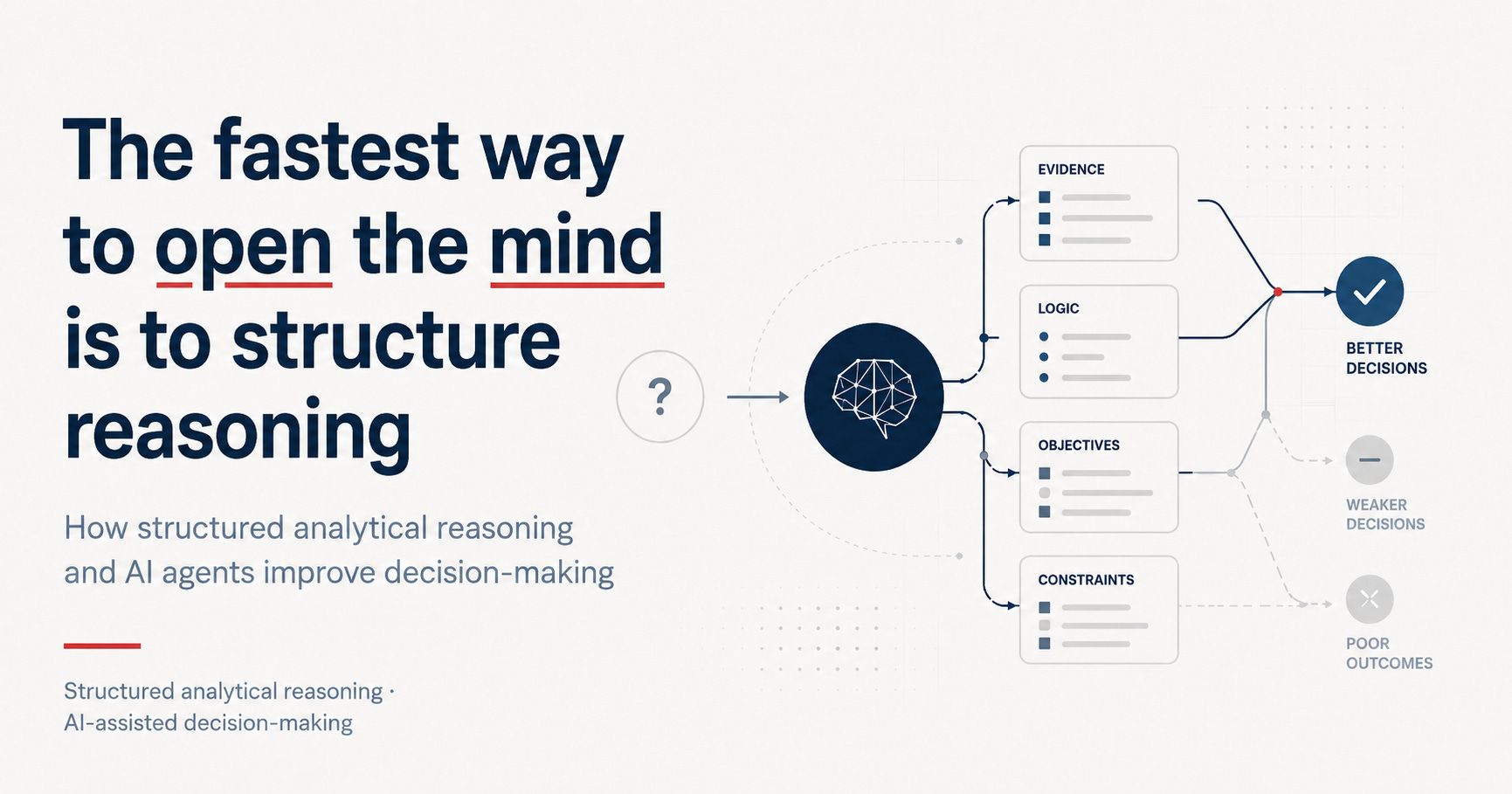
This is uncomfortable, but strategically important. In executive, military, scientific, criminal, corporate, and political environments, many analytical errors are not caused by ignorance. They are caused by premature closure, inappropriate analogies, emotional anchoring, organizational parochialism, wishful thinking, overconfidence, defensive avoidance, mirror imaging, or the simple tendency to search for evidence that confirms what we already believe.
In other words: the problem is often not informational.
It is cognitive.
And this is precisely why structured analytical reasoning matters.
It does not replace intelligence, experience, intuition, or judgment. It gives them a scaffold. It forces the mind to slow down, decompose the problem, expose assumptions, compare alternatives, weigh evidence, and keep hypotheses open long enough to avoid the most common forms of analytical failure.
The same logic now applies to AI.
If we can structure human reasoning, we can also encapsulate structured reasoning methods inside intelligent agents. These agents can help analysts, executives, researchers, investigators, and commanders evaluate evidence more systematically, test alternative hypotheses, reduce cognitive bias, and generate more auditable forms of judgment.
This is one of the conceptual foundations of our R&D work at Binomial Consulting & Design S.L. and WarMind Labs, within Torre Juana OST IA Hub: cognitive restructuring for the augmentation of human reasoning, and the translation of structured analytical techniques into intelligent agents for military, criminal, scientific, corporate, and strategic applications.
Most analytical mistakes are not produced by a lack of data, but by the limits of unaided human cognition. Structured analytical reasoning is a way to force the mind to remain open, decompose complex problems, compare competing explanations, and weigh evidence explicitly.
AI agents can operationalize these methods at scale by guiding analysts through structured workflows, generating alternative hypotheses, testing consistency between evidence and hypotheses, and producing more transparent analytical judgments.
The strategic opportunity is not “AI replacing human reasoning.” It is AI as reasoning infrastructure.
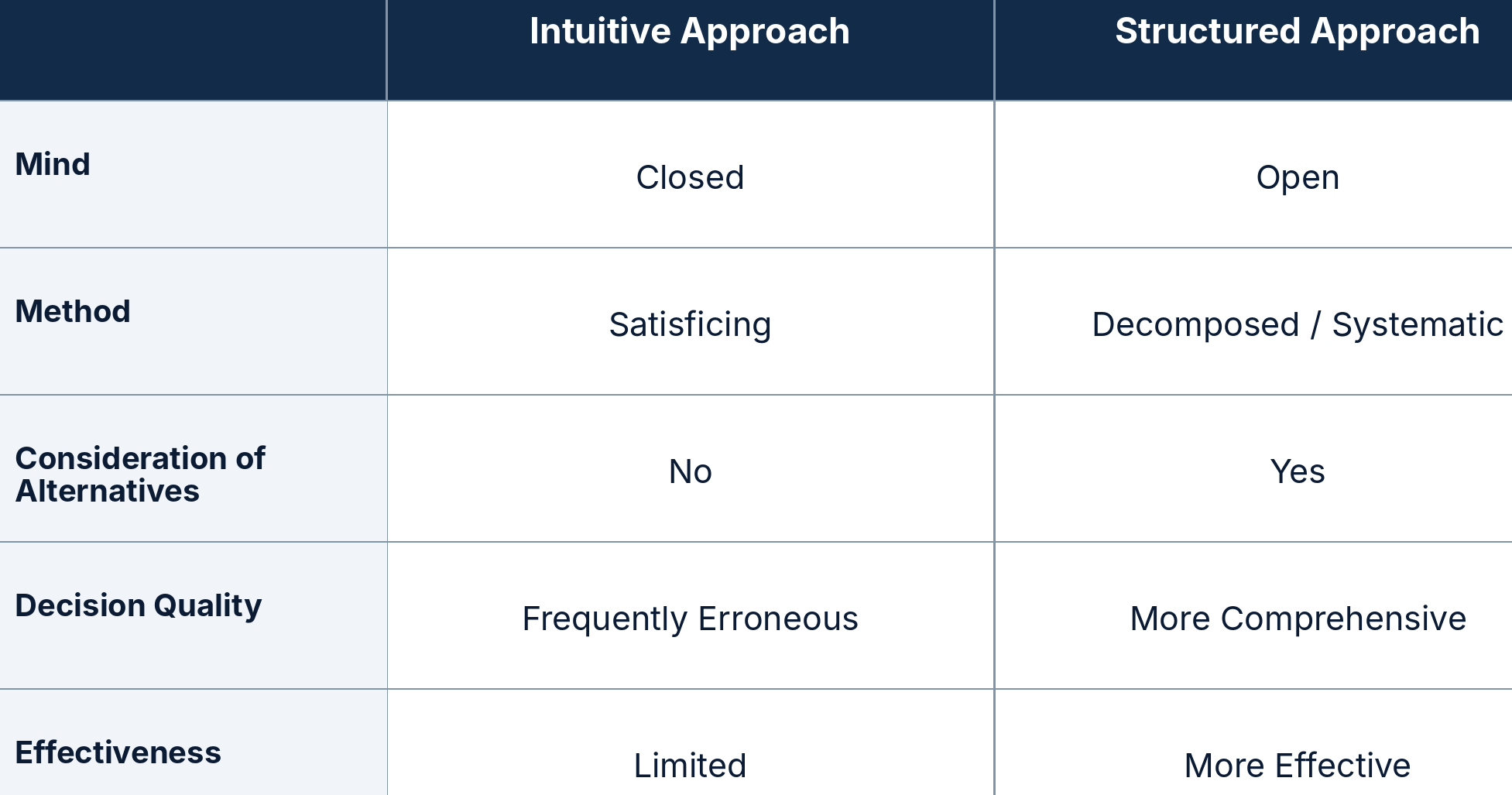
Figure 1 — Intuitive vs. Structured reasoning.
Structured reasoning keeps the analytical mind open, decomposes the problem, forces the consideration of alternatives, and improves the quality of judgment.
1. The hidden weakness of human analysis
Human reasoning is powerful, adaptive, and fast.
That is the problem.
For most daily problems, intuitive reasoning works well enough. We recognize patterns, compare the current situation with past experience, make assumptions, assign probabilities, and move toward action.
This is efficient.
But it becomes dangerous when the problem is complex, ambiguous, adversarial, high-impact, or novel.
In those cases, our mind tends to do what it has always done: search for similarity, close uncertainty, preserve coherence, and protect existing beliefs. We move too quickly from information to explanation. We confuse plausibility with probability. We accept evidence that fits our expectations and devalue evidence that contradicts them.
This is why many failed analyses do not fail because analysts lacked information.
They fail because the available information was not structured correctly.
The analyst did not systematically examine alternatives. The organization did not expose its assumptions. The decision-maker did not distinguish between evidence, interpretation, probability, and preference. The team converged too early around the most comfortable explanation.
This is the core function of structured analytical reasoning: to prevent premature cognitive closure.
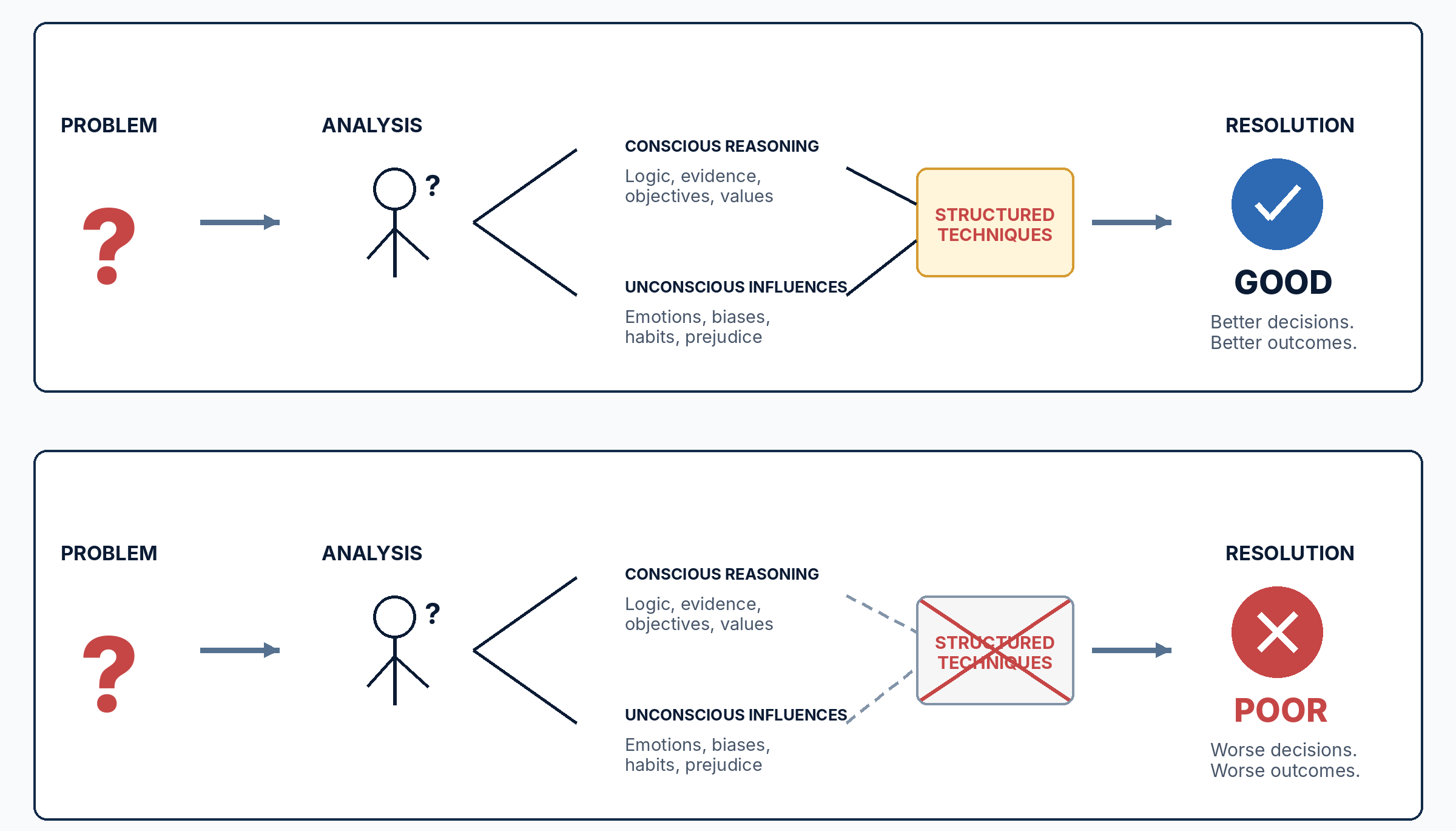
Figure 2 — Why structure matters.
Structured techniques act as a cognitive control layer between raw analysis and final judgment, reducing the impact of unconscious biases and improving decision quality.
2. Structure is not bureaucracy
There is a frequent misunderstanding: people often confuse structure with rigidity.
But structure is not the opposite of creativity. Structure is what allows creativity to survive complexity.
A useful analogy is architecture. Analysis without structure is like building a house without a plan. You may have good materials, skilled workers, and strong intentions. But without a blueprint, the final result is uncertain.
In analytical work, structure plays the role of the blueprint.
The techniques are the tools.
Different problems require different tools. A timeline is useful when sequence matters. A cause-effect diagram is useful when causal mechanisms must be clarified. A decision tree is useful when choices and consequences must be mapped. A hypothesis-testing matrix is useful when several explanations compete for the same evidence.
The objective is not to mechanize thought.
The objective is to make thought explicit.
Once reasoning becomes explicit, it can be inspected, challenged, improved, shared, and automated.
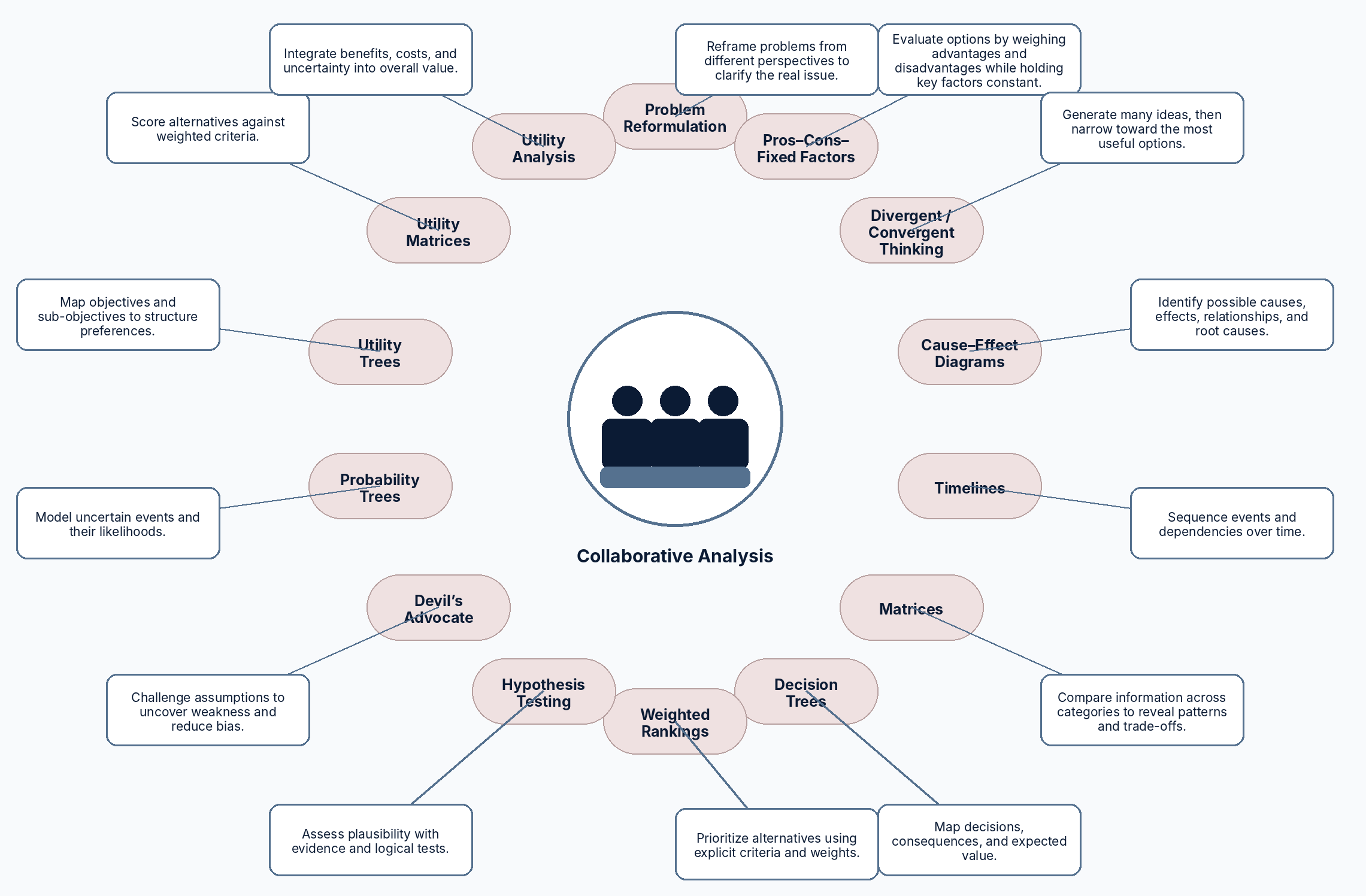
Figure 3 — Core structured analytical techniques.
Structured analytical reasoning is not a single method, but a family of techniques for reformulating problems, comparing alternatives, testing hypotheses, mapping causality, evaluating utility, and reducing bias.
3. The cognitive vulnerabilities of executive judgment
In executive decision-making, analytical quality is not a luxury. It is a core operational capability.
Yet executives, commanders, investigators, and senior analysts are exposed to a recurrent set of cognitive and organizational vulnerabilities:
They reason from similar past experiences. They form conclusions prematurely. They use one hypothesis to dismiss other plausible hypotheses. They draw inappropriate analogies. They extract superficial lessons from history. They assume that other organizations act with more unity, planning, and coordination than they actually do.
They may become parochial, excessively secretive, culturally blind, or unable to understand how other actors perceive the world. They may mirror-image the adversary. They may assume rationality where there is none, or reject rationality where there is a different logic at work.
They may overestimate best-case scenarios, exaggerate worst-case scenarios, ignore new evidence, or unconsciously protect their preferred interpretation.
These are not moral failures.
They are normal features of human cognition under pressure.
The point is not to eliminate intuition. That is impossible and undesirable. The point is to discipline intuition with structure.
Structured analytical reasoning creates friction at the right places. It forces analysts and decision-makers to ask:
What exactly is the problem?
What alternative explanations exist?
What assumptions are we making?
What evidence supports each hypothesis?
What evidence contradicts each hypothesis?
What evidence would discriminate between competing explanations?
What are we ignoring because it is inconvenient?
What would we conclude if our preferred hypothesis were false?
This is how the mind opens.
Not through abstraction.
Through method.
4. Analysis of Competing Hypotheses: from belief to evidence
One of the most powerful structured techniques is Analysis of Competing Hypotheses, or ACH.
ACH changes the analytical question.
Instead of asking, “Which hypothesis do I like most?”, it asks, “Which hypothesis is least inconsistent with the available evidence?”
This distinction matters.
Human beings naturally look for confirming evidence. ACH forces the analyst to look for disconfirming evidence. It builds a matrix between hypotheses and evidence, then evaluates how each piece of evidence supports, contradicts, or remains neutral toward each hypothesis.
The goal is not to prove a hypothesis emotionally. The goal is to retain the explanation that best survives confrontation with the evidence.
This is a different epistemic posture. It is more demanding, but also more reliable.
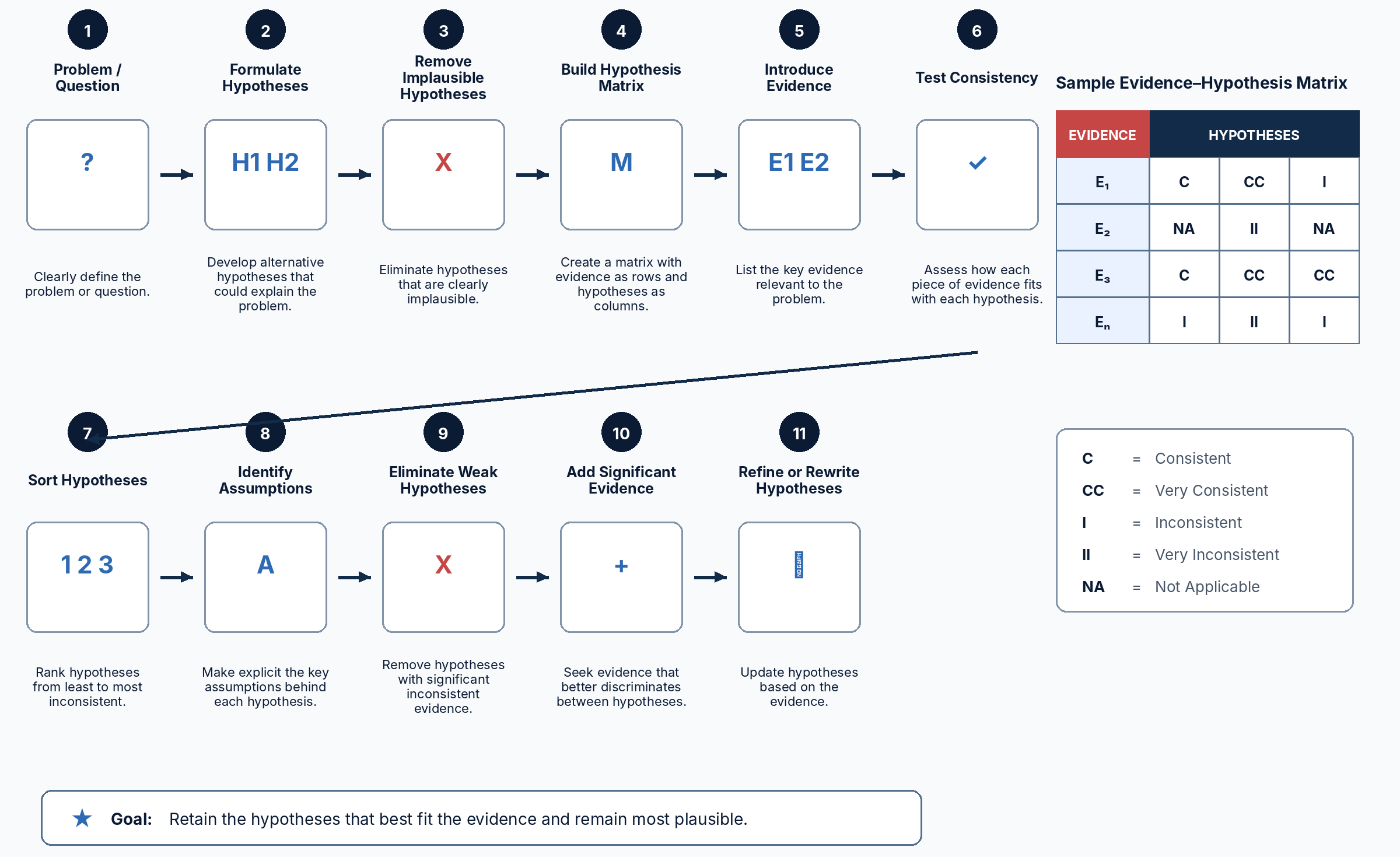
Figure 4 — How Analysis of Competing Hypotheses works.
ACH structures the analytical process by defining the problem, generating alternative hypotheses, introducing evidence, testing consistency, identifying assumptions, eliminating weak hypotheses, and refining the analytical judgment.
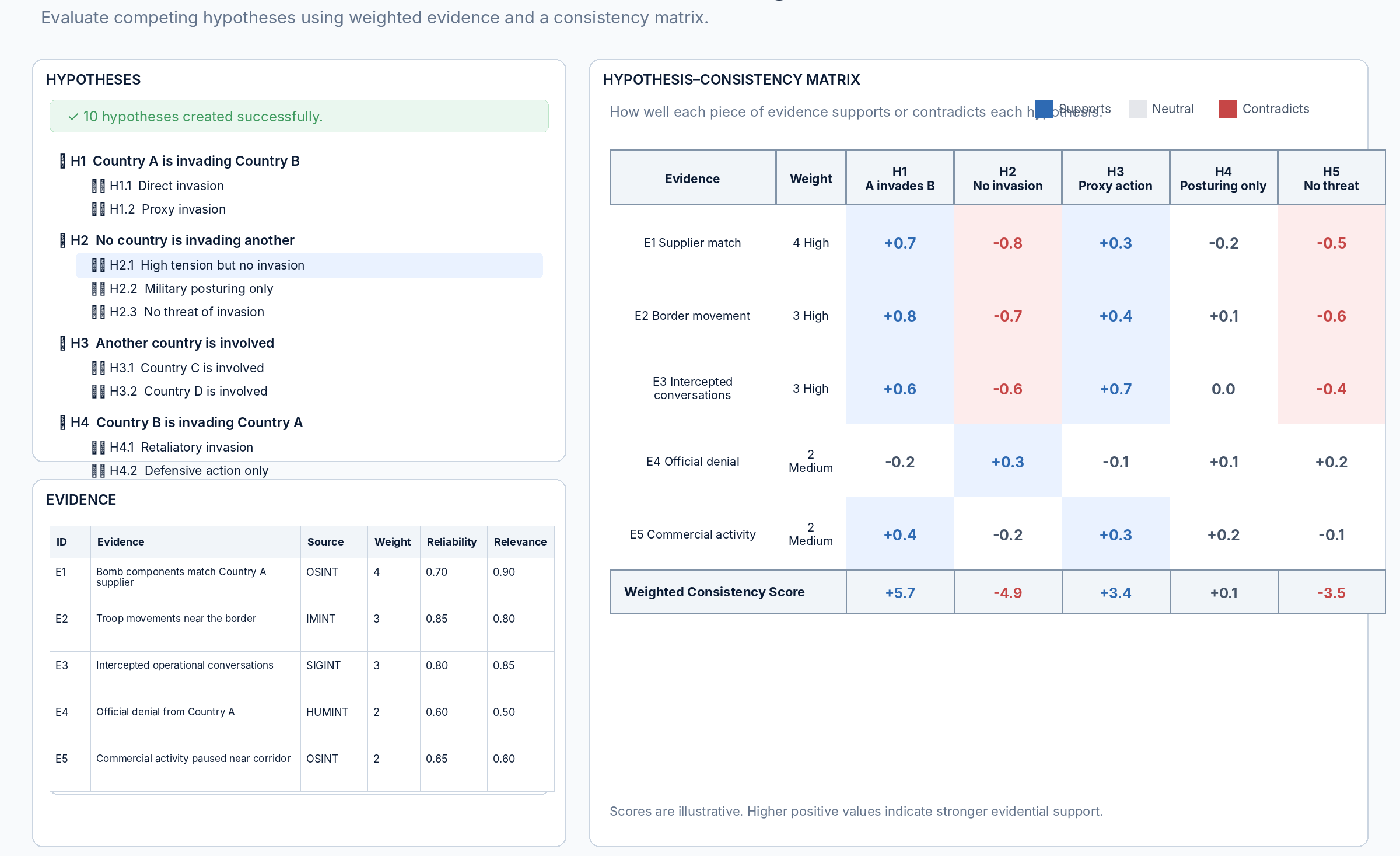
Figure 5 — AI-Assisted structured analytical reasoning.
An AI-assisted analytical environment can help structure hypotheses, evidence, weights, reliability scores, relevance scores, and consistency judgments in a transparent reasoning matrix.
5. From structured methods to intelligent agents
Structured analytical reasoning has traditionally been taught as a human skill.
That remains essential.
But AI changes the implementation model.
Generative AI, cognitive AI, and agentic systems make it possible to encode structured analytical techniques into intelligent workflows. Instead of asking an analyst to manually remember every step, an AI-guided system can prompt the analyst, generate alternative hypotheses, identify missing evidence, challenge assumptions, detect cognitive bias, and maintain a traceable reasoning chain.
This does not mean that the machine becomes “objective” in a magical sense.
AI systems can inherit bias from data, prompts, design assumptions, model behavior, or institutional incentives.
But structured AI agents can make bias more visible, more auditable, and more controllable.
The value is not that the AI has no bias.
The value is that the AI can force the reasoning process to become explicit.
A structured reasoning agent can ask:
Have all relevant hypotheses been formulated?
Are some hypotheses being dismissed too early?
Is the analyst overweighting recent or emotionally salient evidence?
Are contradictory signals being ignored?
Which evidence is diagnostic, and which evidence is merely compatible?
What new evidence would most reduce uncertainty?
What assumptions drive the current conclusion?
This is where the augmentation model becomes strategically interesting.
The AI agent is not just a chatbot.
It becomes a reasoning scaffold.
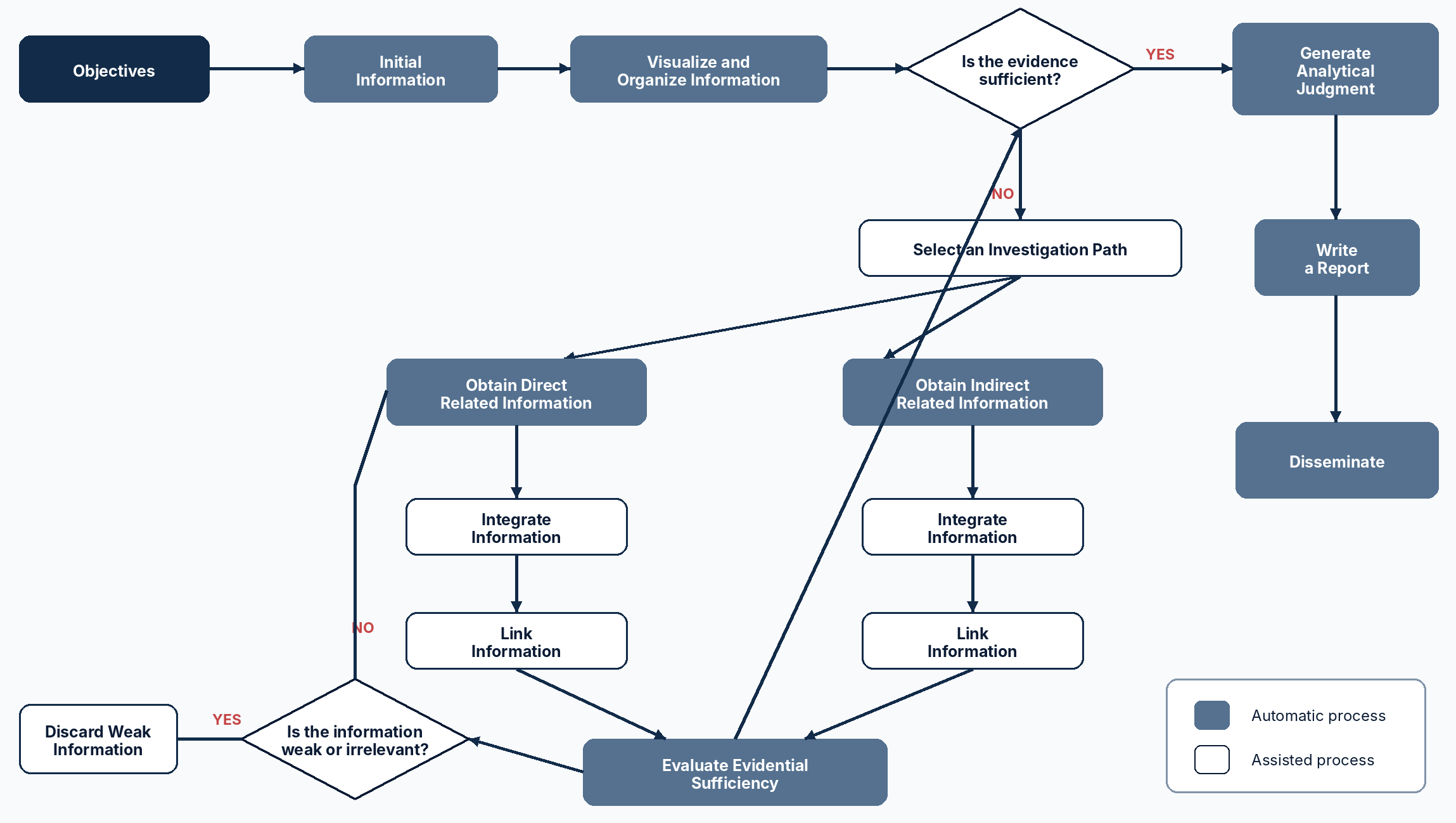
Figure 6 — Structured investigation workflow.
AI-guided analytical workflows can help analysts move from objectives and initial information toward evidence sufficiency, investigation paths, analytical judgment, reporting, and dissemination.
6. Toward reasoning infrastructure
The next generation of high-value AI systems will not be defined only by their ability to generate text.
They will be defined by their ability to structure reasoning.
This is especially relevant in domains where decisions are high-impact and evidence is partial, ambiguous, adversarial, or time-sensitive:
Military intelligence.
Criminal investigation.
Scientific discovery.
Corporate strategy.
Political risk.
Cyber threat analysis.
Industrial security.
Crisis management.
In all these domains, the central problem is not simply “What information do we have?”
The central problem is: How should we reason with incomplete information under uncertainty?
This is why the combination of structured analytical techniques and AI agents is so important. It allows organizations to move from unstructured cognitive labor to explicit reasoning systems.
Not just dashboards.
Not just reports.
Not just summaries.
Reasoning systems.
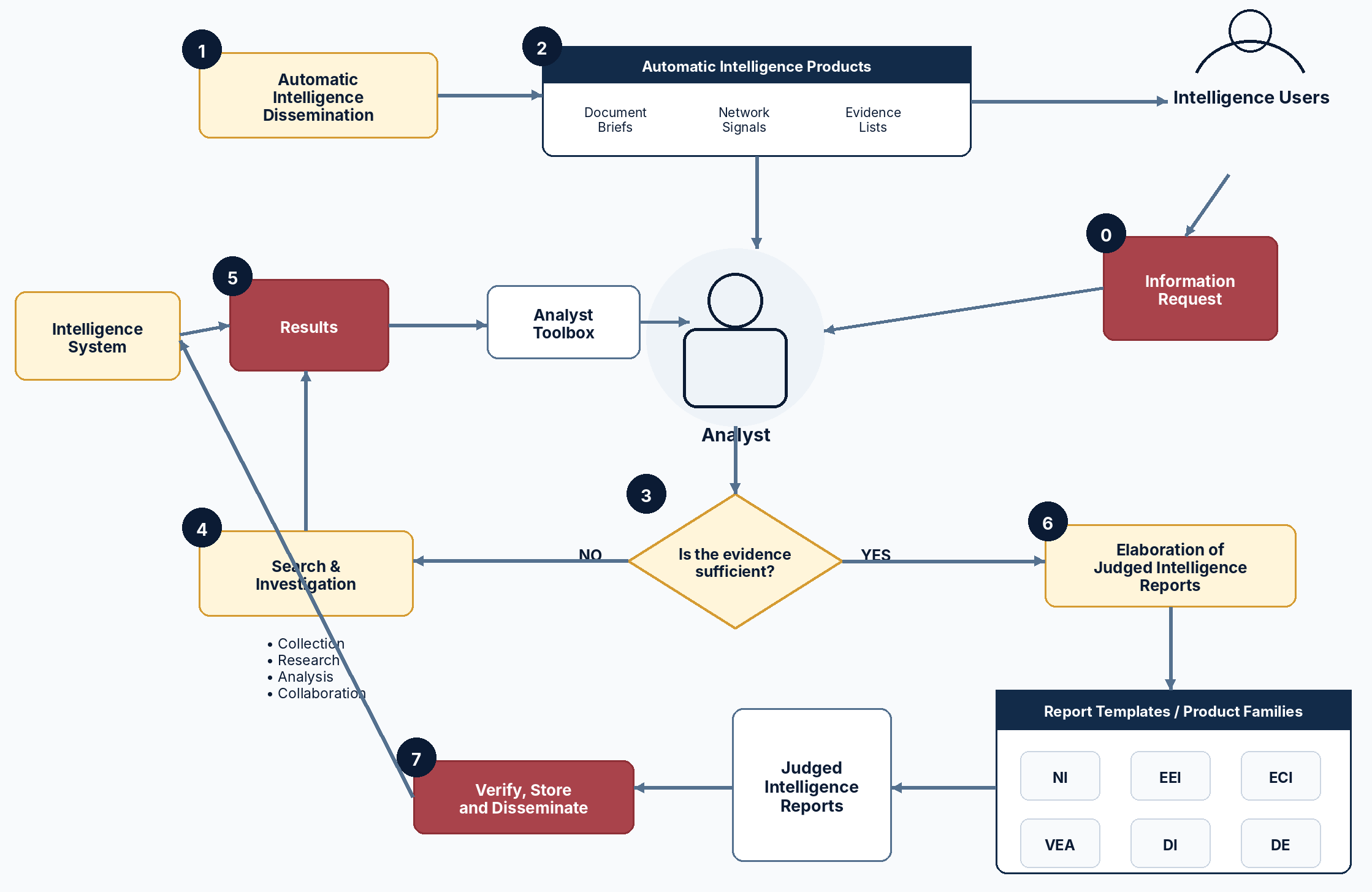
Figure 7 — From information request to judged intelligence.
Structured AI systems can connect information requests, automatic intelligence products, analyst workflows, search and investigation, judged intelligence reports, verification, storage, and dissemination.
7. The role of prototypes
At Binomial Consulting & Design S.L. and WarMind Labs, our R&D approach is based on three converging lines:
First, the cognitive restructuring of human reasoning: training people to use structured analytical techniques to reduce bias, improve hypothesis generation, and produce better decisions.
Second, the formal modeling of structured reasoning techniques: identifying, decomposing, and testing analytical methods so they can be applied consistently across different problem domains.
Third, the encapsulation of these methods into intelligent agents and analytical applications: building tools that guide users through structured reasoning workflows, assist in hypothesis management, evaluate evidence, and generate auditable analytical outputs.
We currently have more than one hundred structured analytical reasoning techniques identified, modeled, and tested.
The objective is not to create generic AI tools.
The objective is to create domain-adapted reasoning systems.
Systems able to support military analysis, criminal intelligence, scientific reasoning, corporate strategy, political assessment, and other forms of complex decision-making.
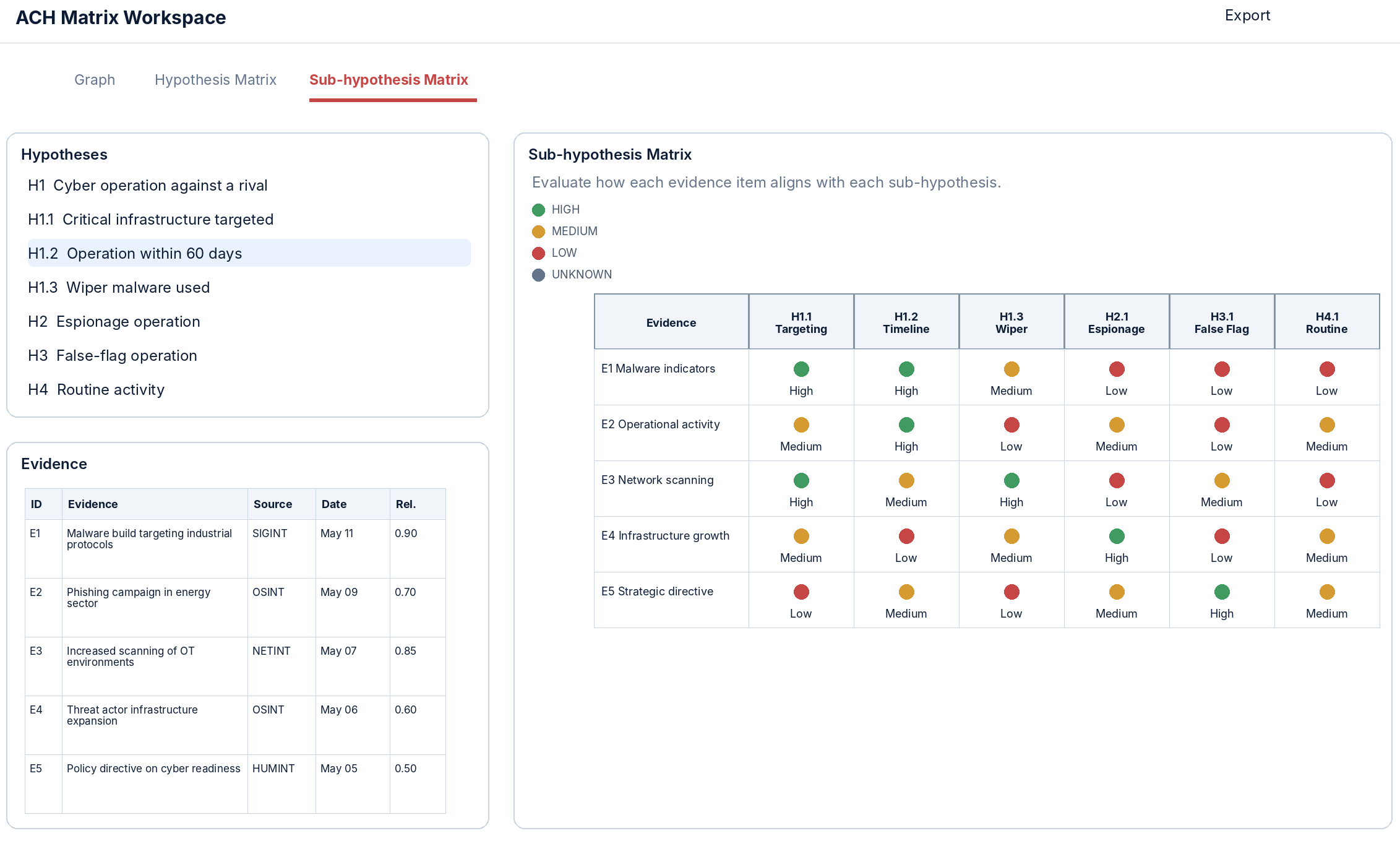
Figure 8 — AI-Guided ACH tool: matrix view.
A prototype interface for AI-guided Analysis of Competing Hypotheses, where evidence is evaluated against hypotheses and sub-hypotheses through explicit consistency ratings.
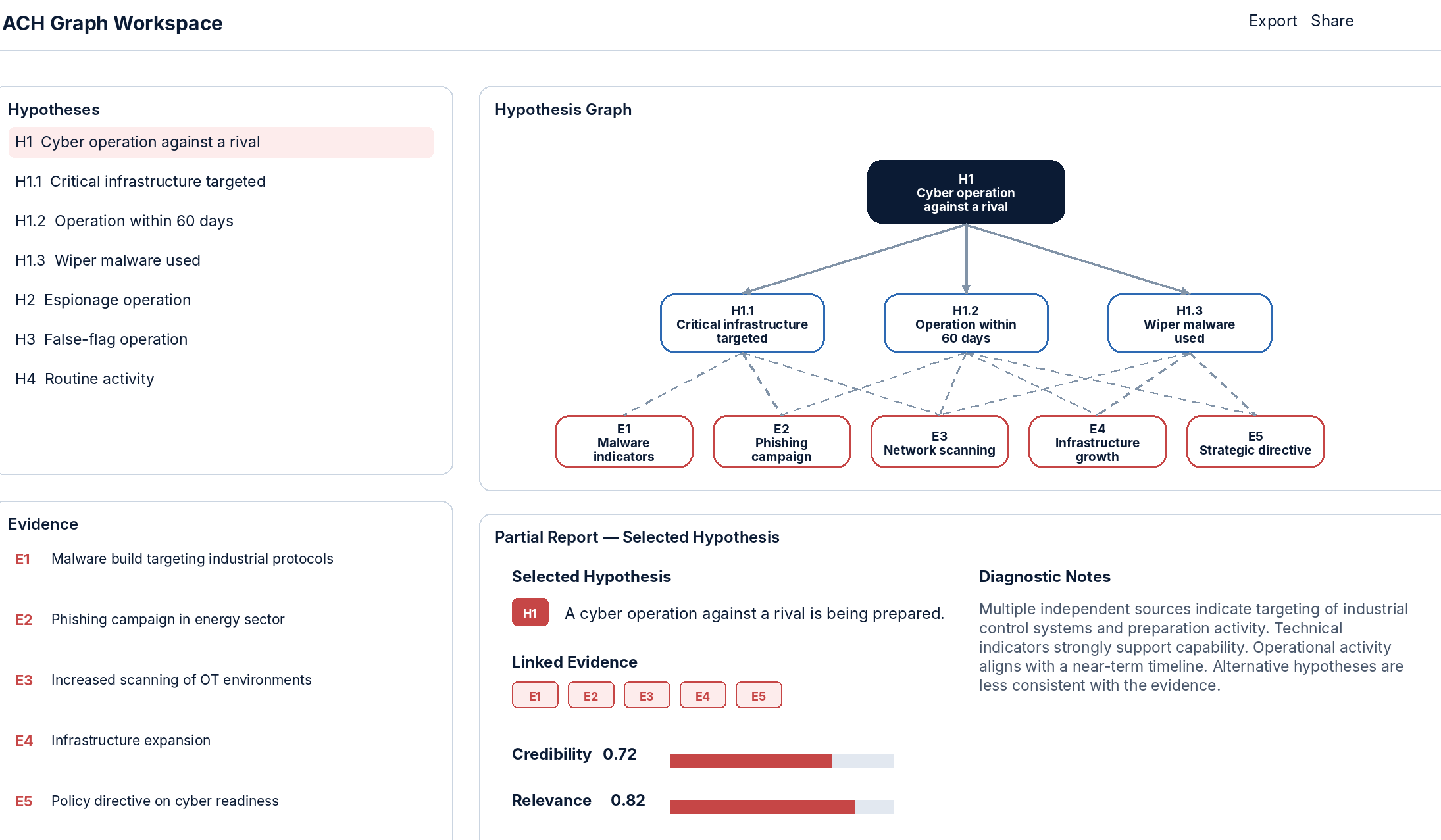
Figure 9 — AI-Guided ACH Tool: graph view.
A graph-based prototype view connecting hypotheses, sub-hypotheses, evidence items, credibility, relevance, and diagnostic notes into a structured analytical model.
8. Human reasoning will remain central
There is a temptation to frame AI as a replacement for human judgment.
That is the wrong frame.
In complex reasoning environments, the key question is not whether humans or machines should decide.
The key question is how human and machine reasoning should be coupled.
Humans bring context, responsibility, domain expertise, ethical judgment, intuition, and strategic imagination.
Machines can provide persistence, structure, memory, consistency checking, alternative generation, evidence organization, and bias-resistant analytical pressure.
The right architecture is not human alone.
It is not machine alone.
It is a dual cognitive system: human judgment augmented by structured machine reasoning.
This is the direction we are exploring.
AI as a cognitive amplifier.
AI as a structured reasoning partner.
AI as infrastructure for better judgment.
9. The strategic implication
The organizations that win in the next phase of AI adoption will not be those that simply automate tasks.
They will be those that structure reasoning.
Because automation improves efficiency.
But structured reasoning improves decisions.
And in military, scientific, criminal, corporate, and strategic environments, decision quality is the real battlefield.
The fastest and safest way to open the mind to alternative explanations is to structure the reasoning process.
The next step is to encode that structure into intelligent agents.
That is where human augmentation begins.